

Audio By Carbonatix
The Canadian province of Quebec has passed a law making an oath of allegiance to the monarch optional for members of the legislature.
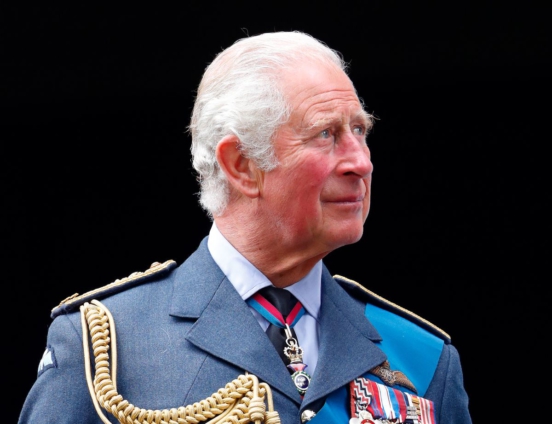
The bill was introduced after the ascension of King Charles III, when three politicians refused to swear allegiance.
In October, Canada's federal parliamentarians overwhelmingly voted no to severing ties with the Crown.
In Canada, Quebec is most in favour of abolishing the constitutional monarchy.
The bill was introduced on Tuesday by Premier Francois Legault.
In October, after the province had an election,14 politicians refused to swear the oath. After being told they could not sit in the legislature without doing so, 11 of them backed down.
But three hold-outs did not, and have been barred from the National Assembly since late November, waiting for Mr Legault to bring forward the bill. It was fast-tracked once all parties in the legislature agreed to waive consultation.
In Quebec, members of the legislature had to swear two oaths, to both the people of Quebec and the Crown, and the latter has long been controversial.
The new provincial law amends the Canadian Constitution Act of 1867, to add a section exempting Quebec from the Oath of Allegiance to the King. That allegiance has been a requirement for all members of provincial legislatures across Canada.
"It is, I think, a relic from the past," Gabriel Nadeau-Dubois, a co-spokesperson for the Quebec solidaire party, said in early December about the oath to King Charles.
"I think there is strong support in Quebec to modernise our institutions, to make sure that the representatives of the people are not forced in 2022 to swear an oath to a foreign king."
Constitutional scholar Philippe Lagasse told the BBC in an email that Quebec did not have the authority to amend the constitution by an act of legislation alone. He said a change like this would either need the support of seven provinces that had, on aggregate, more than 50% of the population of Canada, or the federal parliament would have to agree with Quebec to allow the change in Quebec alone.
Prime Minister Justin Trudeau could challenge this new law in court, or a private citizen could be given standing by the court to bring forth a challenge.
In Canada, the monarch - now King Charles - is the head of state. The monarchy serves a mainly symbolic role, with the power to govern entrusted to the Canadian government.
Opinion polls suggest Canada as a whole remains divided on the monarchy. In an Ipsos survey conducted following the death of Queen Elizabeth II, half of Canadian respondents - around 54% - said their country should sever its ties with the Crown.
That sentiment is strongest in Quebec, where 79% agreed.
Latest Stories
-
One firm awarded a Big Push sole-sourced contract was created in January 2025 – Sulemana Braimah
6 minutes -
Procurement Specialist says Value for Money Office is unnecessary, warns it’ll create confusion
11 minutes -
Inter Miami name stand after Argentina great Messi
24 minutes -
Value for Money Office should be part of PPA – Baffour Awuah
25 minutes -
Kofi Bentil blames leadership failures, not law, for procurement problems in Ghana
27 minutes -
Academic City’s Tech Expo showcases innovative technologies to tackle galamsey
31 minutes -
Gov’t actions contradict its own accountability pledges – Manhyia South MP
33 minutes -
CFY Partners Managing partner Felix Tamattey, honoured at 11th Corporate Ghana Hall of Fame Awards
38 minutes -
Academic City president Prof. McBagonluri named among Africa’s top education leaders
38 minutes -
Complete Agenda 111 projects and put them to use – Akufo-Addo tells Mahama
42 minutes -
Roads Ministry contracts were fully sole-sourced before we took over, we’re reforming it – Suhuyini
42 minutes -
Kobina Ata-Bedu: Value for Money Office Bill will be useless, create confusion
48 minutes -
‘A scandal is inevitable in 4-years, but don’t manufacture them’ — Suhuyini urges restraint
49 minutes -
UK and Ghana open new chapter to boost trade and unlock growth
52 minutes -
‘We published what the Roads Ministry gave us’ — Sulemana Braimah defends Big Push report
52 minutes