

Audio By Carbonatix
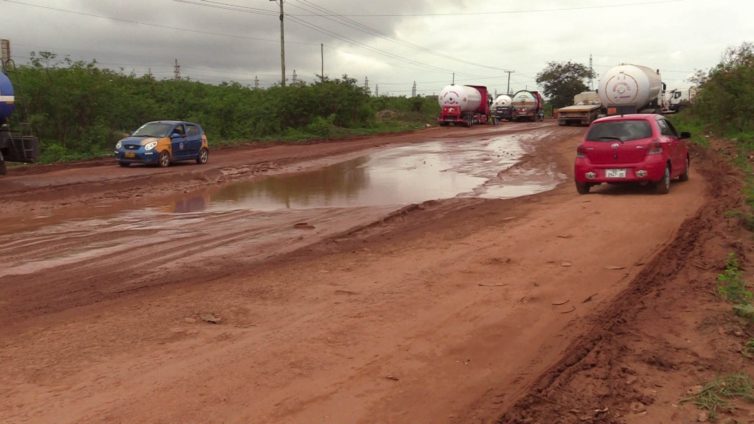
The Ghana Chamber of Bulk Oil Distributed (CBOD) is calling on government to urgently rehabilitate and properly maintain the road network in and around the petroleum storage management industrial area in Tema.
The main road to the area is a 7.2-kilometre single carriageway, which facilitates service delivery by industry giants like the Tema Oil Refinery (TOR), West Africa Gas Pipeline and Quantum Terminals.
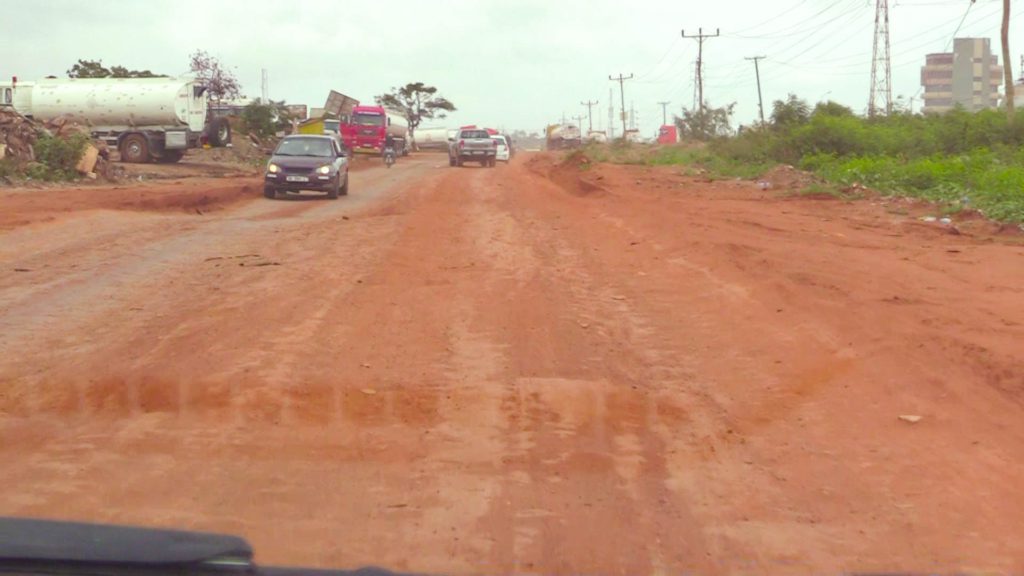
But it is in such bad shape that CBOD is warning that if it is not fixed soon, the deplorable nature of the road could one day affect petroleum supply and distribution around the country and severely reduce economic output.
“Almost all the petroleum products that are used across the country [i.e. 90%] come from within this enclave, so we have a lot of bulk road vehicles and petrol tankers running around the place. The state of the roads, which are currently in very bad condition, have tremendous effects on the conditions of these vehicles,” said Chairman of the Depots Committee at CBOD, Mr Alex Amoaku.
“Apart from the industry itself, you’d also find trucks from other warehouses nearby, carrying sugar or rice from the harbour either breaking down or having their content tipped over unto the middle of the road and disrupting the free flow of traffic.”
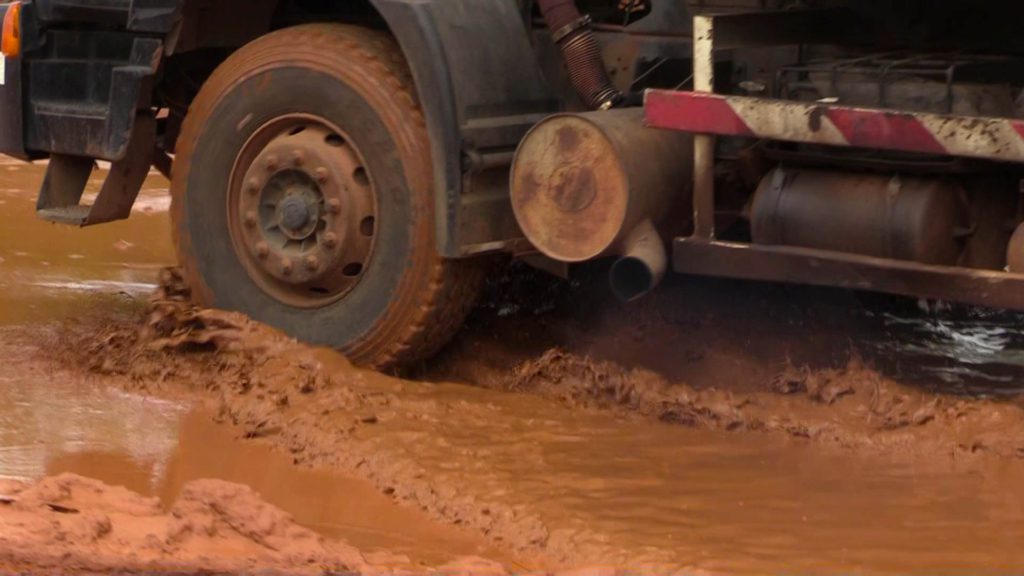
Mr Amoaku further expressed concern about the health and safety of workers and inhabitants of the area, naming musculoskeletal problems “and other related diseases” as some of the adverse effects of the poor road infrastructure in the petroleum enclave on the people living working in the area.
“If you take a look at the public transport vehicles that ply these roads, you will notice they are in a very bad state because no one with a very good vehicle would use this route, given the nature of the road,” he said.
“Beyond the breaking down of vehicles, we also have the issue of safety to deal with, because these products in transportation are highly flammable – LPG, petrol and diesel. If an LPG truck breaks down for any reason and is abandoned, perhaps because it’s late, anything could happen if someone runs into it.”
Mr Amoaku added: “Health-related issues are an everyday occurrence, as our staff are always reporting to the hospital with them, and we always end up having to take care of the bills.”
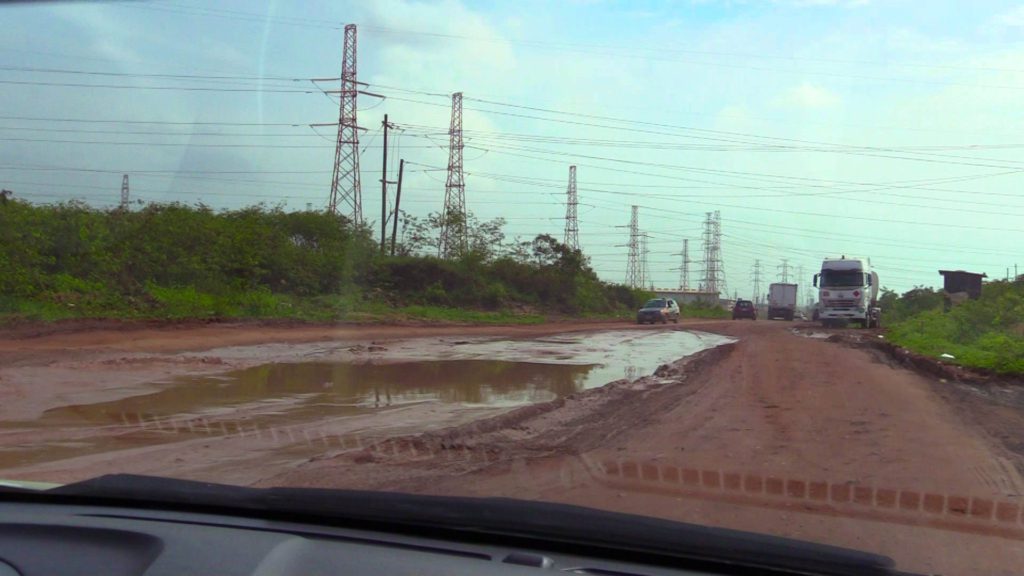
CBOD is reaching out to government and appropriate authorities to fix what it considers a risk to the petroleum industry and the Ghanaian economy in general.
Latest Stories
-
Knights and Ladies of Marshall group backs Catholic Bishops’ stance on anti-LGBTQ+
8 minutes -
Bright Simons writes: All the Filla in the Ibrahim Mahama/E&P – Gold Fields Saga
33 minutes -
Monetise Idiocy In Ghana
39 minutes -
The Ghanaian prophet and the mysterious death of his scottish wife Charmain Speirs
1 hour -
Nearly 400 sentenced in Nigeria for links to militant Islamists
2 hours -
Ghana’s recovery supported by gold strength despite global oil price pressures – Standard Bank Research
2 hours -
‘Excellence is our inheritance’ – Nana Sam Brew-Butler hails Mfantsipim’s 150-year reign in leadership
2 hours -
Kwaku Azar writes: A-G vs OSP
2 hours -
Mfantsipim–Adisadel rivalry built excellence, not division – Sam Jonah
3 hours -
Vice President launches Mfantsipim’s 150 years of shaping Ghana’s greatest mind
3 hours -
I assure Otumfuo, Mahama will join him to commission KNUST Teaching Hospital by end of this year – Haruna Iddrisu
4 hours -
Barcelona dominate derby to extend La Liga lead
4 hours -
Gov’t to roll out free special education for persons with disabilities from July 1 – Education Minister
4 hours -
Importers and Exporters Association declares full support for Publican AI port system
4 hours -
“We used it to test our officiating officials’ readiness” – Bawah Fuseini after CAA Athletics event
5 hours