

Audio By Carbonatix
The Chamber for Local Governance (ChaLoG) has urged the Administrator of the District Assemblies Common Fund (DACF) to desist from appropriating funds through sole-sourced procurement contracts for goods and services for and on behalf of Metropolitan, Municipal, and District Assemblies (MMDAs).
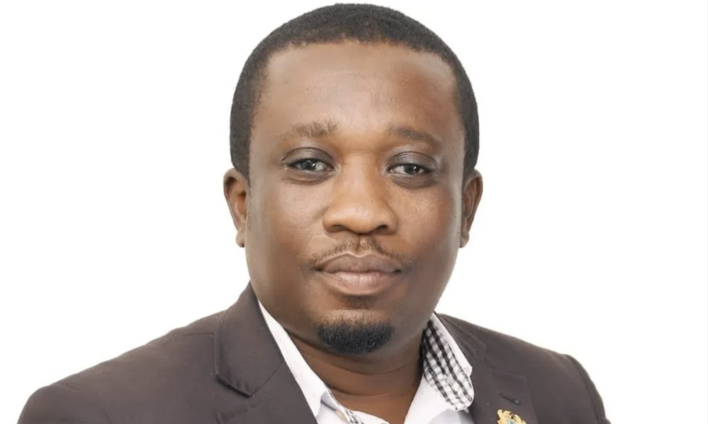
Mr Romeo Elikplim Akahoho, the Executive Secretary of the Chamber, told the Ghana News Agency that such conduct from the DACF Administrator was grossly illegal in the face of Article 252 of the 1992 Republican Constitution, as well as Section 125(3) of the Local Governance Act, 2016. (Act 936).
“Section 125(3) of the Local Governance Act, 2016 (Act 936) states: ‘The moneys that accrue to the Common Fund shall be distributed among the district assemblies on the basis of a formula approved by Parliament,’ it added.
According to him, the DACF Administrator was acting in complete contravention of her functions as expressly stated in Section 129 of the Local Governance Act, 2016 (Act 936), which categorically states among other things that the main function of the Administrator shall “administer and distribute moneys paid into the Common
Fund among the District Assemblies in accordance with the formula approved by Parliament.”
Mr Akahoho noted that procuring equipment under the District Road Improvement Programme (DRIP) and distributing it to MMDAs was illegal, as the DACF Administrator does not have the mandate to do so.
He added that “ChaLoG is therefore of the firm conviction that the DACF Administrator’s illegal award of contracts on a solely sourced basis directly from the DACF Account for procurement of goods and services for and on behalf of MMDAs remains an outright illegality and hence a serious affront to decentralisation and local governance as succinctly espoused by the 1992 Constitution.”
He indicated that the Chamber was calling on the DACF Administrator to, as a matter of urgency, respect the tenets of the Constitution to give true meaning to the constitutional injunction to allow the MMDAs to engage in their own procurements of goods and services from their share of the DACF, as that would deepen decentralisation and expand the frontiers of local governance in Ghana.
Latest Stories
-
Atletico Madrid stun 10-man Barcelona to seize Champions League semi-final advantage
27 minutes -
Black Stars coach to be announced by next week – Sports Minister
37 minutes -
Chiefs, queen mothers and principal elders of Odau group denounce ‘rebellious Etweresohene’, pledges allegiance to Okyenhene
44 minutes -
KNUST library dress code sparks online backlash over strict rules
53 minutes -
Cultural Diplomacy in Action: Ghanaian youth leaders present symbolic smock to U.S. Chargé d’Affaires
54 minutes -
Ghana Card payment activation under review – NIA breaks silence on financial integration
1 hour -
Ofori-Atta’s ICE release on bail positive; he poses no risk – Amanda Clinton
1 hour -
Ken Ofori-Atta’s passport seized after bail, set to reappear in US Court on April 27
1 hour -
Stuck contraceptives risk HIV surge – Ghana HIV/AIDS Network President warns
1 hour -
Edmond Boateng elected Secretary of Honorary Consular Corps of Ghana
2 hours -
Omanhene Kwabena Asante slams GIADEC CEO over alleged discrimination in mining concessions
2 hours -
Majority of Ghanaian importers lack awareness of cargo insurance – Gyampo
2 hours -
GJA Ashanti applauds Asantehene for securing land for new press centre
2 hours -
CIMAF Ghana donates cement to Afua Kobi SHS
3 hours -
Ghana to benefit from France’s National health platform following Paris talks
3 hours