


Audio By Carbonatix
A coalition of major trade and freight forwarding bodies, led by the Ghana Institute of Freight Forwarders (GIFF), has called on government to urgently review recent policy directives affecting transit trade, customs valuation, and port operations, warning that current measures could undermine Ghana’s position as a preferred trade corridor in West Africa.
Addressing a press conference in Tema on Monday, March 30, 2026, the General Secretary of GIFF, Paul Kobina Mensah, expressed deep concern over what he described as “rushed, unclear and disruptive” policy interventions, particularly the application of the Publican AI system in customs valuation, recent restrictions on transit trade, and the centralisation of technical clearance processes.
Speaking on behalf of a broad coalition that includes the Ghana Union of Traders Associations, Association of Customs House Agents Ghana and Customs Brokers Association of Ghana, Mr. Mensah noted that while stakeholders support lawful enforcement and revenue protection, the current approach risks eroding investor confidence and disrupting legitimate trade.
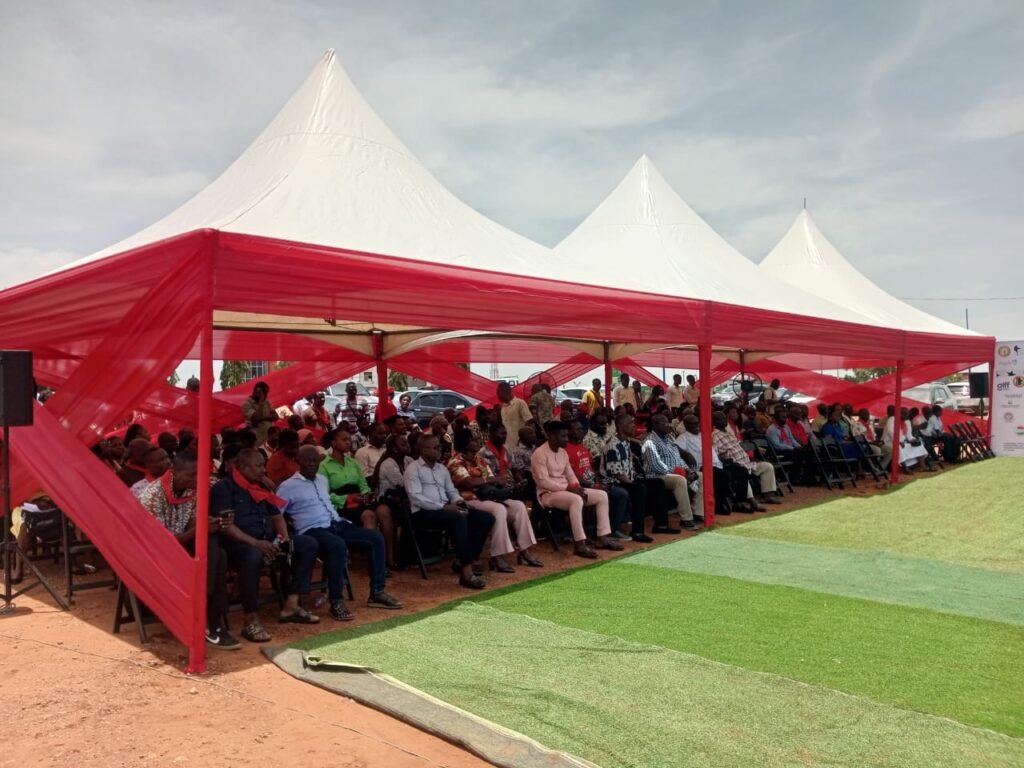
He explained that the restriction on selected goods under transit arrangements, though intended to curb revenue leakages, sends a negative signal to regional traders and logistics investors. According to him, transit trade thrives on predictability and trust, and any abrupt or poorly communicated policy shifts could lead to cargo diversion to competing corridors.
On the use of the Publican AI system, Mr. Mensah acknowledged the importance of technology in modern customs administration but cautioned against what he termed an “opaque digital layer” influencing valuation and clearance decisions without clear legal backing. He argued that the system’s application appears inconsistent with provisions of the Customs Act, 2015 (Act 891) and internationally accepted valuation principles, particularly the reliance on transaction value as the primary basis for duty assessment.
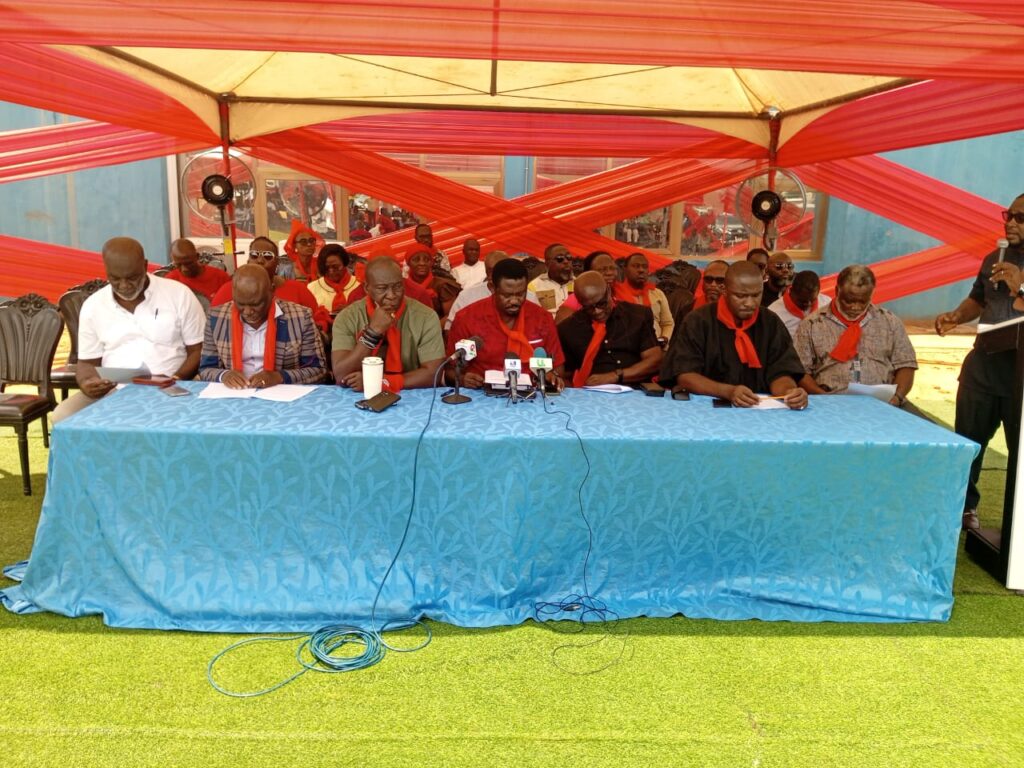
He further highlighted instances of what the coalition considers excessive and inconsistent duty valuations generated under the system, warning that such outcomes could threaten business sustainability and increase the cost of goods on the local market. Concerns were also raised about the system’s inability to fairly assess used and non-standard goods, as well as the risk of embedded over-valuation within global trade data used by the AI tool.

The coalition also criticised the recentralisation of the Customs Technical Services Bureau (CTSB), arguing that it has created operational bottlenecks and delays in cargo clearance. Mr. Mensah stressed that an efficient 24-hour economy cannot function under what he described as a “one-door decision trap,” where stakeholders must rely on a single point for technical approvals.
Additionally, the group expressed concern over the rising fees and charges imposed by various Ministries, Departments and Agencies (MDAs), including regulatory bodies such as the Environmental Protection Agency and the Ghana Standards Authority. They noted that the frequent upward review of these charges places an undue financial burden on traders and undermines efforts to improve the business environment.

The coalition is demanded the immediate review or suspension of the directive governing the Publican AI valuation system, in line with international standards, the establishment of an independent and accessible appeals mechanism and the decentralisation of valuation processes to reduce delays and port-related costs.

The GIFF General Secretary also called for broader stakeholder engagement in the implementation of transit and trade policies, strict alignment of all interventions with the Customs Act, 2015 (Act 891) and a downward review of fees and charges imposed by MDAs
He warned that failure by authorities to address these concerns could result in further lawful actions, including coordinated industrial measures by industry players.
Mr. Mensah concluded by urging government to strike a balance between enforcement and trade facilitation, emphasizing that Ghana must position itself not as a restrictive corridor, but as a “smart, trusted and competitive” gateway for regional and international trade.
Latest Stories
-
Ghana’s BRICS bid must be guided by national interest – International Affairs Analyst
8 minutes -
Journalists look back on a decade of breast cancer reporting in Ghana
47 minutes -
President Mahama ends Resetting Ghana tour of Ahafo Region
3 hours -
African negotiators seek delivery of climate commitments at COP31
3 hours -
BoG develops AI rules for financial sector
3 hours -
‘Big Push’: Government assures contractors of prompt payments
3 hours -
Court fines miner for breaking into gold buying shop
3 hours -
Tarkwa court jails labourer for three years over GH¢123,000 theft
4 hours -
GAEC must retain nuclear scientists for Ghana’s nuclear ambitions – Minister
4 hours -
Man reportedly mistaken for game and shot by hunter dead in forest
4 hours -
19-year-old mason jailed 15 years for defiling seven-year-old pupil
5 hours -
Ghana’s banking sector assets rise 20.47% to GH¢500.2bn – BoG Governor
5 hours -
22 injured as Sprinter bus overturns at Sege after tyre burst
5 hours -
UN housing expert urges Ghana to strengthen Rent Control Department amid housing affordability concerns
5 hours -
Delta-BCI partnership reaches 166,000 people with breast cancer education
5 hours