

Audio By Carbonatix
The Chief Executive Officer of the Coconut Grove Regency Hotel, Mr Ralph Ayitey, has urged Ghanaians and policymakers to adopt a more deliberate and coordinated approach to tourism development, sanitation, infrastructure and local production.
He described these areas as critical to the country’s long-term economic growth and national dignity.
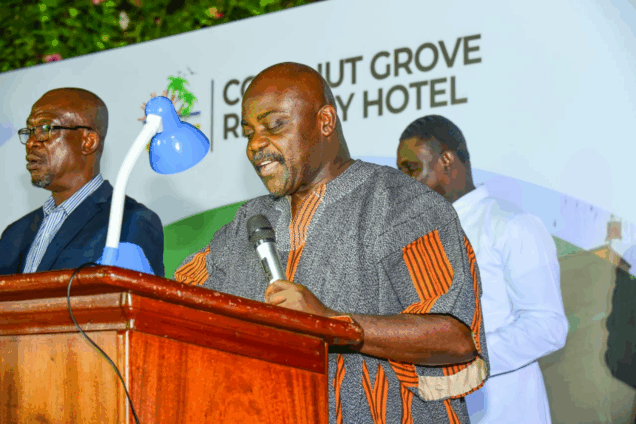
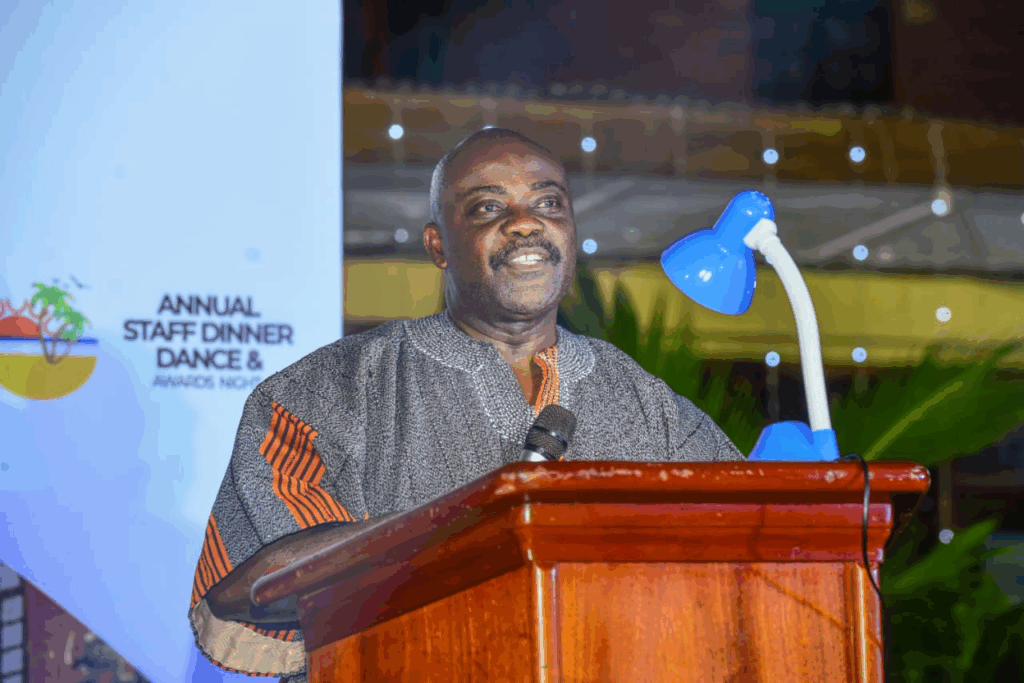
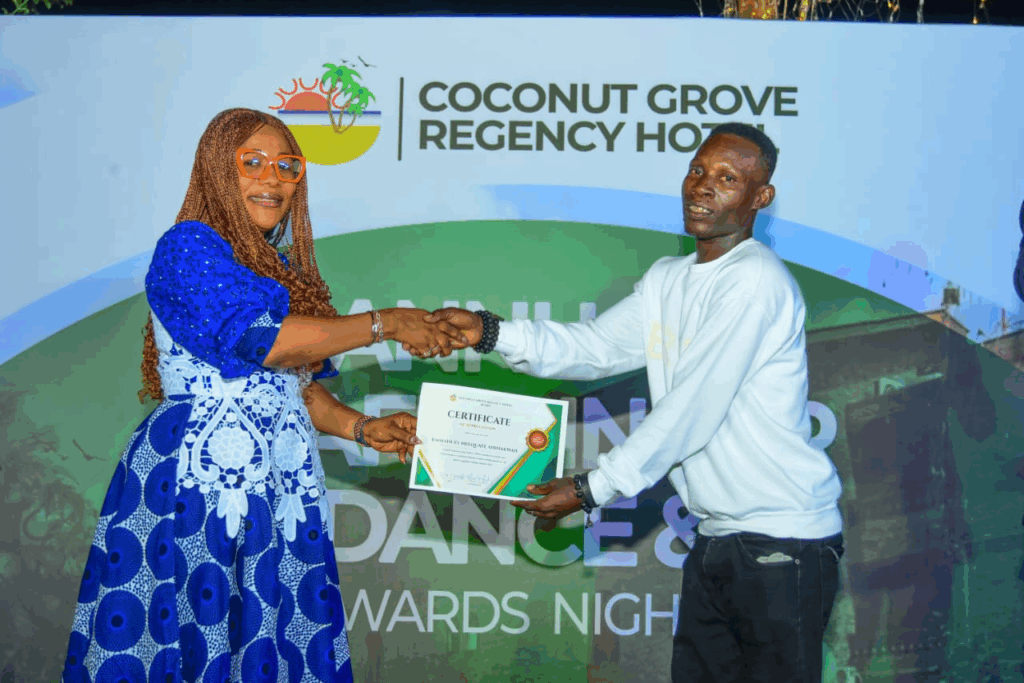
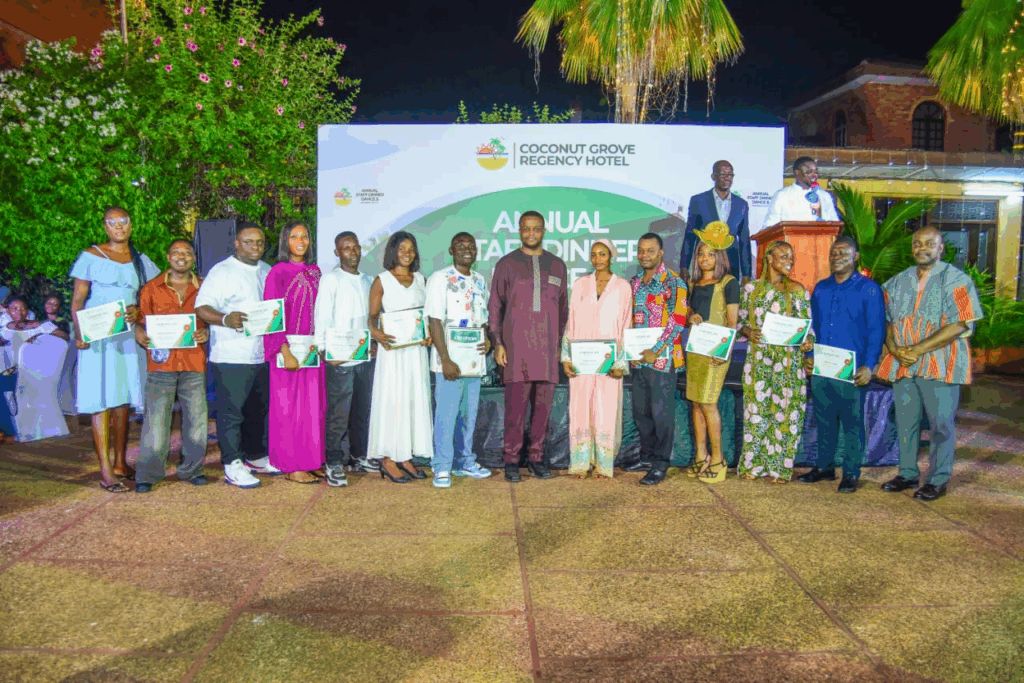
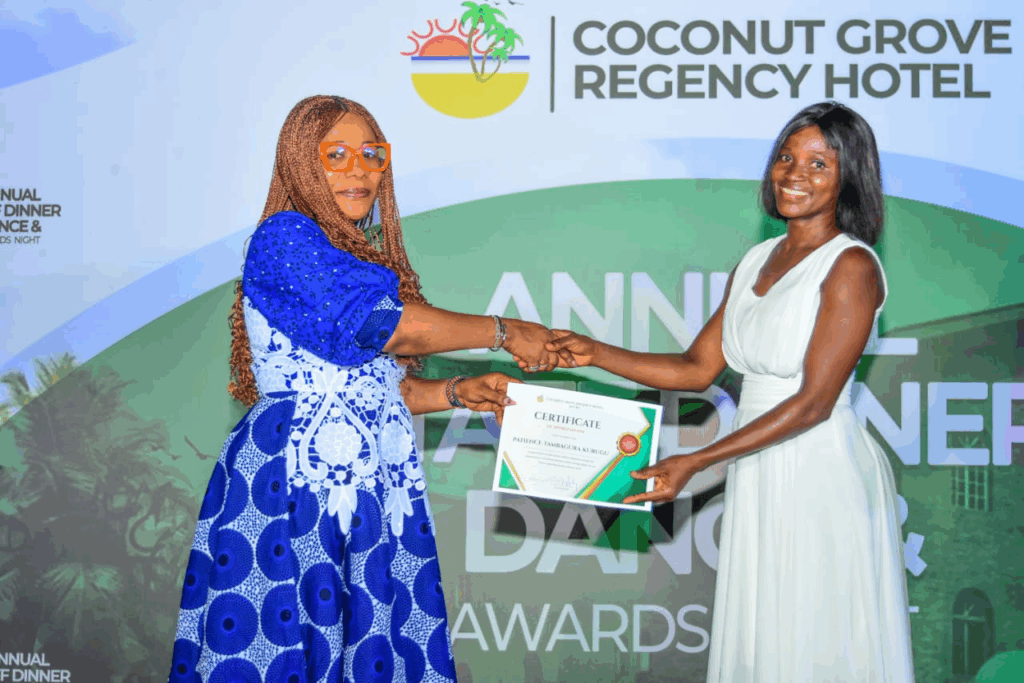
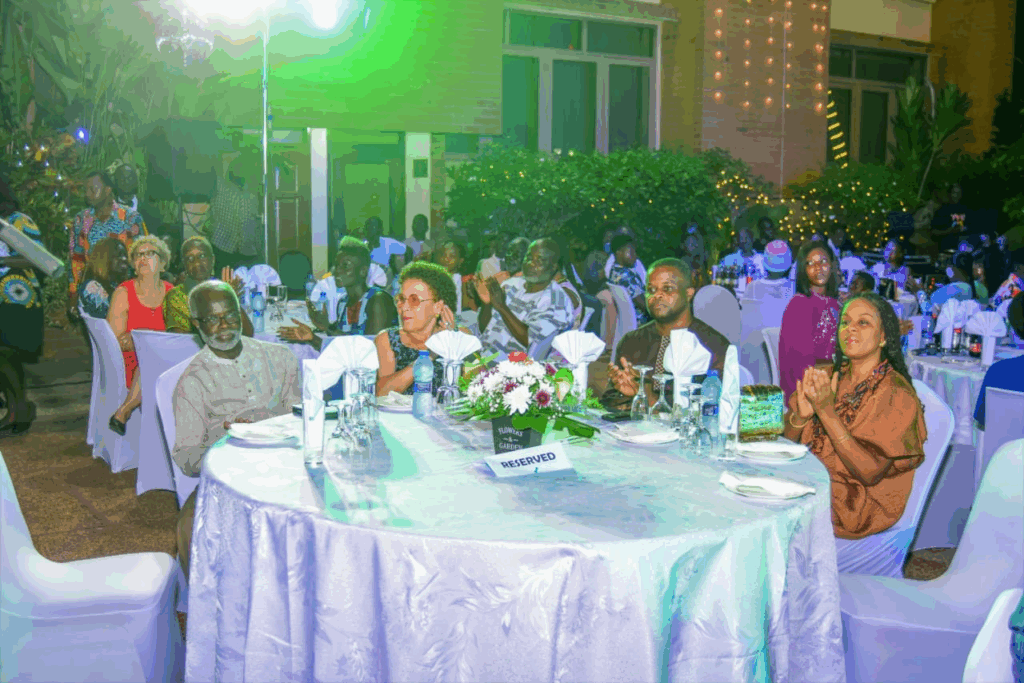
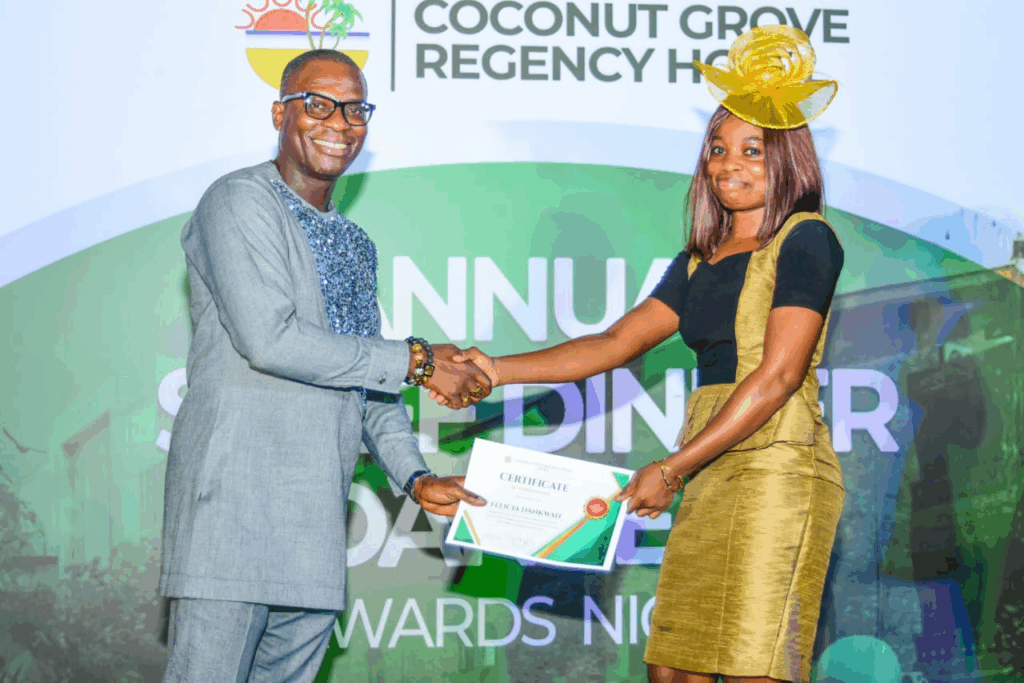
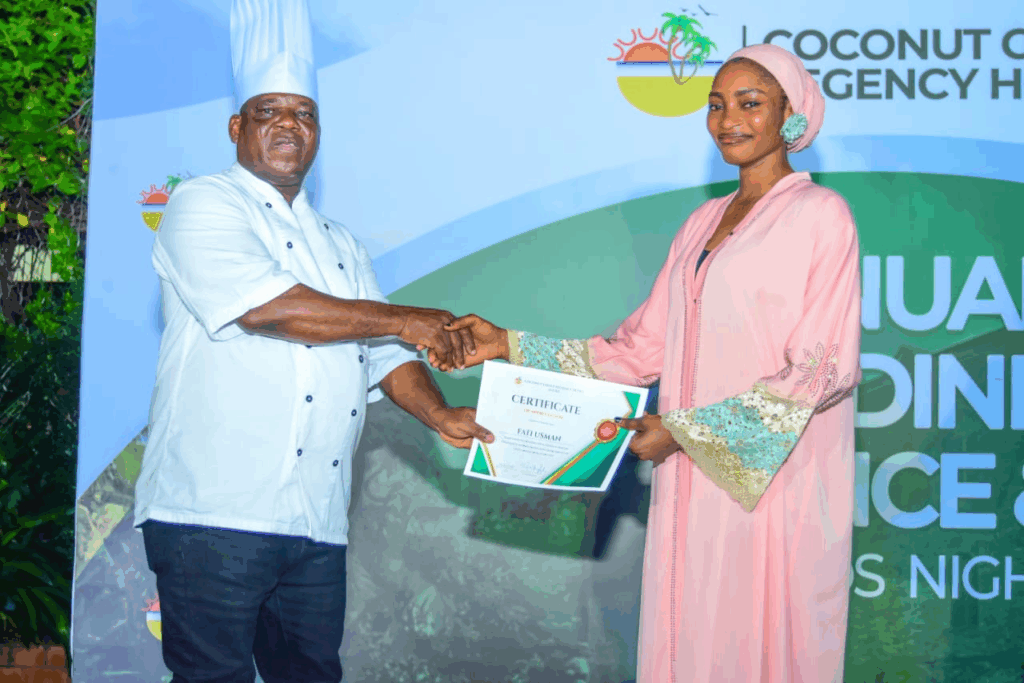
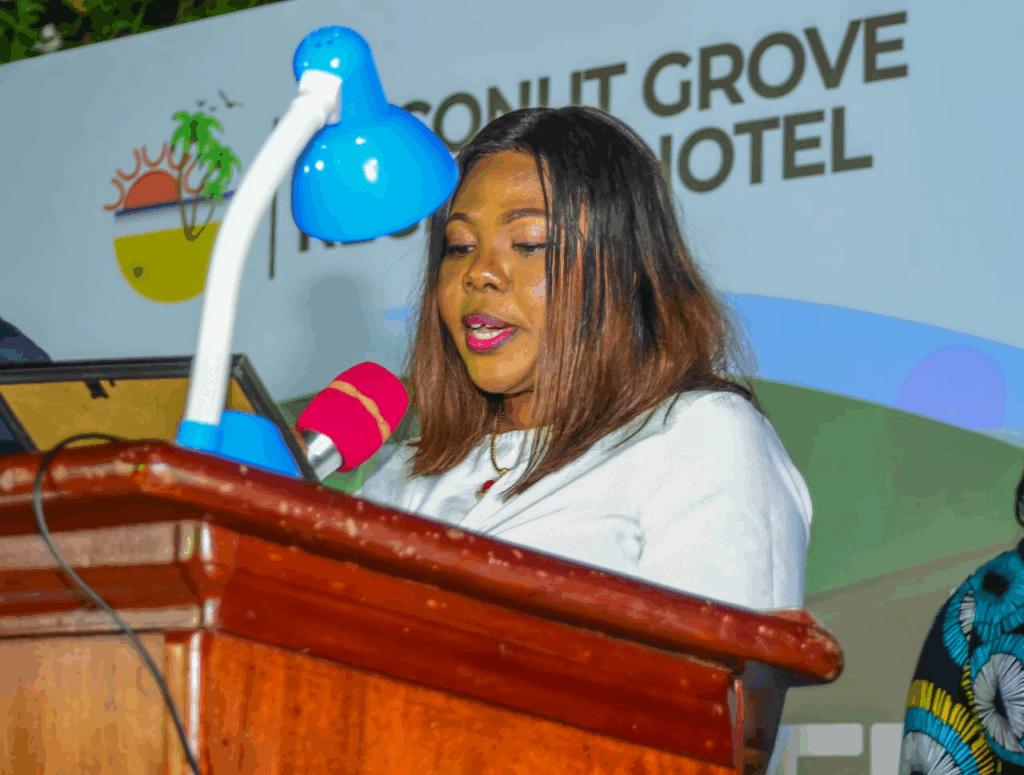
Mr Ayitey made these remarks in an interview with journalists on Saturday, January 18, on the sidelines of the Coconut Grove Regency Hotel Annual Staff Party and Awards Dinner Dance.
Touching on Ghana’s increasingly popular December tourism festivities, widely branded as “December in Ghana”, the hotel executive described the initiative as an important addition to the global tourism calendar.
According to him, the success of the December festivities lies in their clear identity, structure and appeal to international visitors.
“December in Ghana is very iconic, and it is up to Ghanaians to embrace it fully,” he said, adding that successful tourism initiatives must always be driven by a clear theme and purpose that attracts visitors for a reason.
However, Mr Ayitey stressed that tourism growth must be supported by improved sanitation standards.
He noted that while efforts are often concentrated on major streets, true environmental cleanliness must begin at the grassroots level, particularly through education.
“Sanitation goes beyond what we see on our major streets. Children must be educated from the very beginning on how to keep their environment clean,” he said.
He emphasised that a clean and orderly environment is essential to enhancing Ghana’s image as a tourist destination.
Mr Ayitey also commended the government’s focus on infrastructure development, particularly in the area of road construction and transportation.
He praised the “Big Push” agenda, under which the government has pledged to construct about 2,000 kilometres of roads nationwide, noting that improved access routes into major towns and cities are crucial for tourism and business.
Sharing his personal experience, he said he was impressed by recent works on the Accra–Cape Coast Road and the ongoing rehabilitation of the road leading to the Coconut Grove Beach Resort in Elmina.
He described the development as encouraging and expressed appreciation to President John Dramani Mahama and the Minister of Roads, Governs Kwame Agbodza, for what he called tangible progress.
“I hadn’t been to Elmina since July, and seeing the work right to our doorstep was quite interesting and graceful to me,” he remarked.
Beyond December tourism, Mr Ayitey called for a conscious effort to ensure that all twelve months of the year are strategically positioned with themed attractions and festivals.
He cited events such as Kwahu Easter celebrations and Winneba’s masquerade festival as examples of how cultural activities can be deliberately organised to promote year-round tourism.
“All tourism-related activities have to be done deliberately,” he said, expressing confidence that collaboration among stakeholders would lead to positive outcomes.
The Coconut Grove CEO also paid special tribute to Dr and Mrs Papa Kwesi Ndoum, founders of the Coconut Grove brand, acknowledging their vision, leadership and encouragement.
He used the occasion to stress the importance of empowering Ghanaians through local production and value addition.
Using the example of a pineapple farmer in Elmina, Mr Ayitey illustrated how processing local produce into finished goods, such as juice, can create jobs, improve livelihoods and reduce dependence on imports.
He argued that such empowerment can transform individuals and communities, turning small-scale producers into successful entrepreneurs.
On the broader economy, Mr Ayitey emphasised the importance of stability and predictability, noting that businesses thrive when they can confidently plan for the future.
He encouraged entrepreneurs to take advantage of periods of economic stability to invest in machinery and production equipment rather than importing cheap consumer goods.
“We should import factors of production, especially machinery, to help reduce our import bill,” he said, adding that purposeful investment in production capacity is key to sustainable growth.
He further highlighted Ghana’s cotton industry as a major untapped opportunity, comparing the country’s low output with that of Burkina Faso and Benin.
While acknowledging the current challenges, he described the situation as an opportunity to revive an industry that once produced world-class cotton and could support sectors such as hospitality, textiles and manufacturing.
Mr Ayitey also welcomed ongoing tax reforms and regulatory rationalisation, urging institutions and individuals to embrace tax compliance.
He stressed the need for continuous tax education and accountability to ensure that public funds are used for their intended purposes.
Looking ahead, he expressed optimism about 2026, stating that a predictable economic environment would encourage businesses to expand, employ more people and contribute more in taxes.
He noted that financing major infrastructure projects through internally generated funds was a positive signal of growing national self-reliance.
Mr Ayitey called on Ghanaians to consciously prioritise locally made products and industries, arguing that national development begins with individual choices.
“If you are going to buy anything, ask if there is a Ghanaian one first,” he said.
Latest Stories
-
Landfilling waste management creates no value, it’s an economic waste
14 minutes -
Photos: Speaker Bagbin Commissions MPs constituency office under parliamentary decentralisation programme
30 minutes -
Black Stars technical advisor Winfried Schäfer sacked as GFA shakes up backroom staff
34 minutes -
Wenchi water project almost complete, critical to gov’t agenda – GWL MD
50 minutes -
Anti-LGBTQ+ bill not part of government’s legislative agenda – Inusah Fuseini
52 minutes -
Anti-LGBTQ Bill: Forget the rumour mongers, I’m a man of action, and will pass the bill – Speaker
2 hours -
Women and children among those killed in Sudanese army shelling of wedding celebration
2 hours -
President Mahama is not sincere with Ghanaians on LGBTQ bill matter – Hassan Tampuli
2 hours -
Gov’t to establish Prison Industrial Hub to equip inmates with income-generating skills – Prison Service boss
2 hours -
Alhassan Tampuli donates cement, roofing sheets to support storm victims in Gushegu
2 hours -
Alhassan Tampuli appeals for urgent support for storm victims in Gushegu
2 hours -
The hypocrisy must stop; pass Anti-LGBTQ+ Bill now – Alhassan Tampuli to Mahama
2 hours -
Imprisonment should be rehabilitative, not punitive – Ghana Prisons boss at UNGA
3 hours -
Ga Adangbe traditional priests petition Mahama over McDan aviation licence revocation
3 hours -
Anti-LGBTQ Bill: NDC’s arrogance is worrying – Hassan Tampuli
3 hours