

Audio By Carbonatix
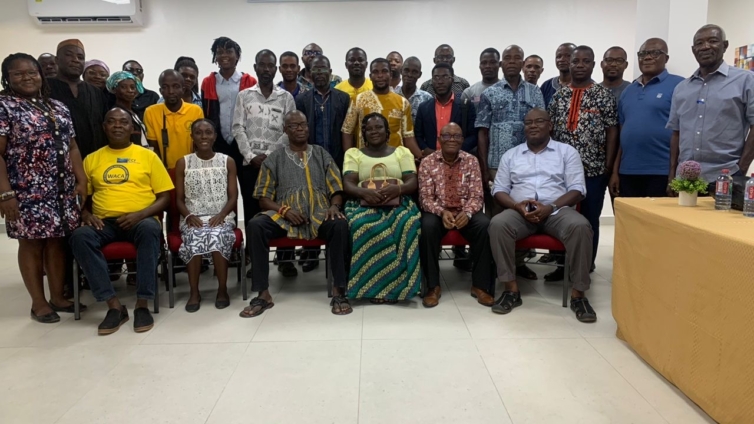
Stakeholders gathered in Anloga for a workshop on Community Resource Management Areas (CREMA) aimed at enhancing the sustainable use of the Akata Lagoon and other vital resources within the Ramsar site complex.
The event, organized by the Coastal Civil Society Organizations Forum (CCF) and the West Africa Coastal Areas Management Program (WACA), brought together representatives from the Fisheries Commission, Forestry Commission, local authorities, and community leaders.
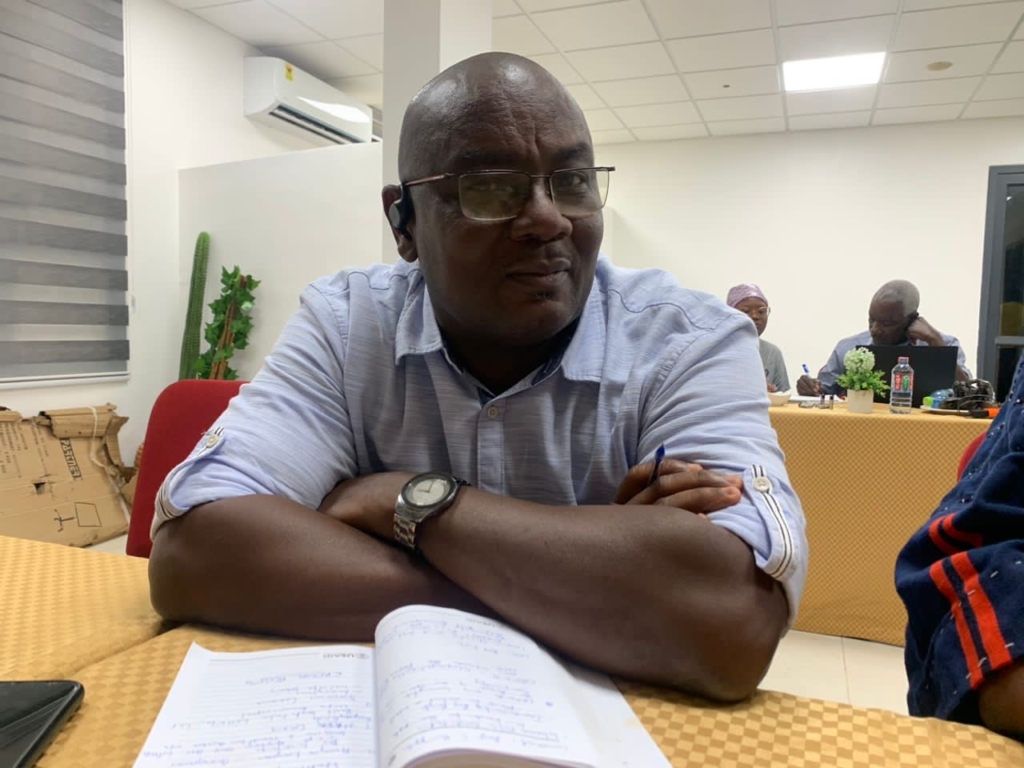
Addressing the participants, Mr. William Agbenu, Volta Regional Director of the Fisheries Commission, emphasized the need for a unified approach to managing the area's fishery resources.
In his remarks, Mr. Agbenu acknowledged CREMA’s role in empowering local resource users to sustainably manage natural assets.
He stressed the importance of integrating the Fisheries Commission into CREMA’s framework, particularly in areas like the Akata Lagoon, where fish remains the primary resource.
“The Akata Lagoon is a critical economic and social asset for the communities surrounding it. Its management must involve collaborative efforts between the Forestry and Fisheries Commissions to ensure that the resource users—the fishers—benefit while maintaining sustainability,” he said.
Mr. Agbenu revealed that steps are already underway to harmonize fisheries management across the three districts—Ketu South, Keta, and Anloga—that border the lagoon.
This includes drafting a common bylaw to regulate fishing activities.
“We’ve initiated discussions with these municipal assemblies, which have agricultural subcommittees responsible for fisheries bylaws. A unified bylaw will reduce open-access fishing and conflicts among fishers from different districts. We’re also far advanced in registering all fishers within this resource, assigning them special registration numbers to operate within a standardized framework,” he stated.
He added that the unified bylaw would also enforce synchronized fishing holidays across the districts, preventing conflicts over fishing grounds and allowing the ecosystem to regenerate.
The unified bylaw will also address the use of illegal fishing gear, a prevalent issue that undermines sustainability efforts.
“With a common bylaw, the use of illegal fishing gear can be effectively controlled. This is crucial because the fishers are targeting the same resource within the same ecosystem,” Mr. Agbenu explained.
Economic and Social Relevance of the Lagoon
The Akata Lagoon, designated as a Ramsar site, holds immense economic and social value for the surrounding communities.
Mr. Agbenu noted that mismanagement of this resource could devastate the livelihoods of thousands of inhabitants across the five districts bordering the lagoon.
“When this water body is not handled well, the economic activities of these communities will collapse. CREMA stands on three legs: natural resource conservation, economic development, and social well-being. A unified bylaw will ensure the right management practices are adopted to sustain this delicate ecosystem,” he said.
The workshop aligns with the objectives of the WACA Resilience Investment Project (ReSIP 2), implemented in Ghana in August 2024.
This initiative seeks to mitigate the climate vulnerabilities and human pressures threatening coastal ecosystems, with CREMA serving as a model for community-led conservation.
Collaborative Action for a Sustainable Future
Mr. Agbenu concluded by urging all stakeholders to prioritize collaboration, emphasizing the need to consult community members—the primary beneficiaries—before implementing any conservation measures.
“The Fisheries Commission, Forestry Commission, and local communities must work hand in hand to manage this resource delicately. By doing so, we can secure the economic and social future of the thousands who depend on it,” he said.
The workshop reinforced the importance of stakeholder engagement and collaborative governance in managing Ghana’s coastal resources.
Participants expressed optimism that the unified approach to fisheries management would set a precedent for sustainable resource use across the region.
This article captures the significance of the workshop and Mr. Agbenu's recommendations while tying it to broader regional initiatives like WACA's ReSIP 2. Let me know if you’d like additional details or further edits!
Latest Stories
-
Africa’s youth bulge a ‘defining moment’ that requires urgent action – NYA CEO Osman Ayariga
2 minutes -
No looming power crisis; Ghana’s electricity supply remains stable – Energy Ministry PRO insists
18 minutes -
Mahama should reset his stance on LGBTQ -Clinton Baffour
23 minutes -
Rising sachet water costs should spark a bigger conversation on plastic waste
27 minutes -
Two-week ceasefire takes effect as US and Iran prepare for talks in Pakistan
30 minutes -
Dr. Amoakohene debunks claims Sewua and other Agenda 111 hospitals are ready for operationalisation
38 minutes -
AMA rolls out new shift system for street sweepers to improve sanitation
42 minutes -
Focus on capacity, not connections in Damang lease decision – Paa Kwesi Schandorf
52 minutes -
Teen defender Eric Mensah undergoes trial at Malaga CF after standout ROC Cup display
54 minutes -
Journalism out loud: Why silence is no longer an option
55 minutes -
5,000 miners stranded in Ahafo-Ano North as alleged NAIMOS operatives take over site
1 hour -
GMTFcare rollout begins at Komfo Anokye Teaching Hospital to transform patient support
1 hour -
Leicester lose appeal against points deduction
1 hour -
Telecel hosts Women 100 Power Connect 2026 on reciprocity in leadership
1 hour -
Ken Ofori-Atta released from ICE detention after judicial order — Lawyer confirms
1 hour