

Audio By Carbonatix
The Crops Research Institute under the Council for Scientific and Industrial Research has commenced preparations for pioneering technology trials aimed at reducing methane emissions from rice production.
The initiative under the Agroecology and Circular Economy for Ecosystem Services (ACE4ES) project, marks a pivotal moment in advancing climate-smart farming practices in Ghana.
Research has proven methane emissions are a potent greenhouse gas that impacts the environment.
The project, funded by the Climate and Clean Air Coalition under the UN Environment Program, focuses on tackling methane emissions from flooded rice cultivation.
By integrating innovative methane reduction technologies such as alternate wetting and drying (AWD) systems and biochar applications, the Institute aims to mitigate environmental impacts while enhancing agricultural productivity.
Lead for the ACE4ES project, Dr Kwaku Onwona-Hwesofour Asante emphasized the importance of these trials in addressing climate change challenges in agricultural sectors.
He indicated that reducing methane emissions from rice fields is crucial for sustainable development and climate action in rice-producing economies.
"Through rigorous experimentation and collaboration with local farmers, we aim to identify practical solutions that balance environmental stewardship with food security," Dr. Kwaku Asante said.
"We are committed to fostering partnerships and knowledge exchange to scale up successful methane reduction strategies. This project not only contributes to global climate goals but also strengthens Africa’s resilience to climate impacts, benefiting farmers and communities alike," noted Dr Kwaku Asante.
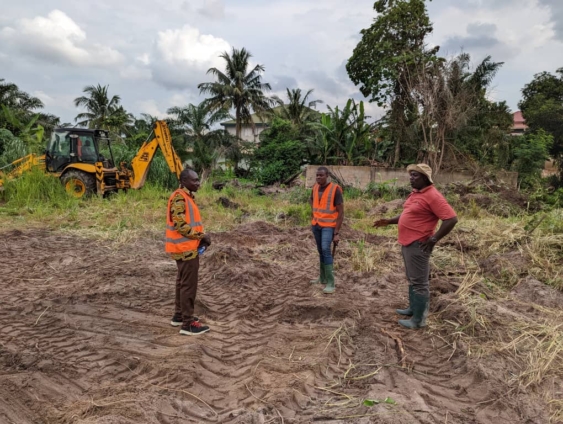
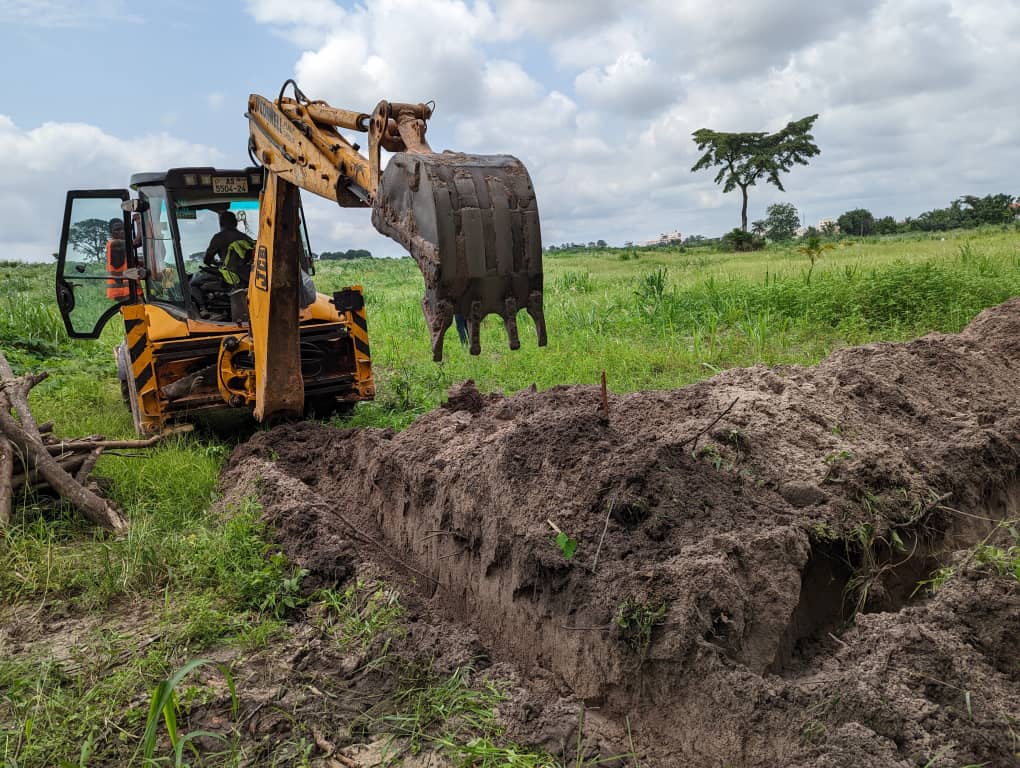
The field preparations have involved meticulous site selection and soil preparation to ensure optimal conditions for the trials.
The rice technical team consisting of Dr Charles Afriyie-Debrah, Dr Clement Oppong Peprah, Prof. Raphael Kwame Bam, Dr Maxwell Darko Asante, and Dr Felix Frimpong played essential roles during these initial stages.
The CSIR-Crops Research Institute anticipates that findings from these trials will inform national policies and encourage widespread adoption of climate-smart agricultural practices across the region.
The project is starting in four African countries including Ghana, Nigeria, Benin and Tanzania.
As the project progresses, stakeholders remain optimistic about its potential to pave the way for sustainable agricultural development in Africa and beyond.
Latest Stories
-
Omanhene Kwabena Asante accuses GIADEC CEO of discrimination in mining concessions
45 minutes -
Majority of Ghanaian importers lack awareness of cargo insurance – Gyampo
51 minutes -
GJA Ashanti applauds Asantehene for securing land for new press centre
54 minutes -
CIMAF Ghana donates cement to Afua Kobi SHS
1 hour -
Ghana to benefit from France’s National health platform following Paris talks
1 hour -
Due process must prevail in Ofori-Atta’s immigration and extradition cases – Lawyer
1 hour -
Oil palm fund will create coherent ecosystem, boost supply—DBG CEO
1 hour -
Police arrest man for illegal drug peddling at Pankrono
1 hour -
Industry collaboration key to solving skills mismatch – NYA CEO Osman Ayariga
1 hour -
Ghana, Egypt deepen security ties following high-level meeting
2 hours -
Every neurodivergent child deserves to thrive – AWARE 2026 walk set for North Legon
2 hours -
Ghana-Russia Centre, ATF donate to Princess Marie Louise Children’s Hospital
2 hours -
NPP increases polling station coverage per election committee from 10 to 25
2 hours -
Ghana card cannot be used for financial transactions – NIA debunks false reports
2 hours -
Successful conviction secured for illegal fish processing operation in Watford
2 hours