

Audio By Carbonatix
For pupils at the Sabonjida D/A Basic School in the Tatale-Sangule District of the Northern region, education is a privilege rather than a right. With only two trained teachers managing Kindergarten 1 through Basic 6, the school heavily relies on untrained volunteer teachers to fill the gap. However, the impact on learning outcomes has been devastating, raising serious concerns about the future of these children.
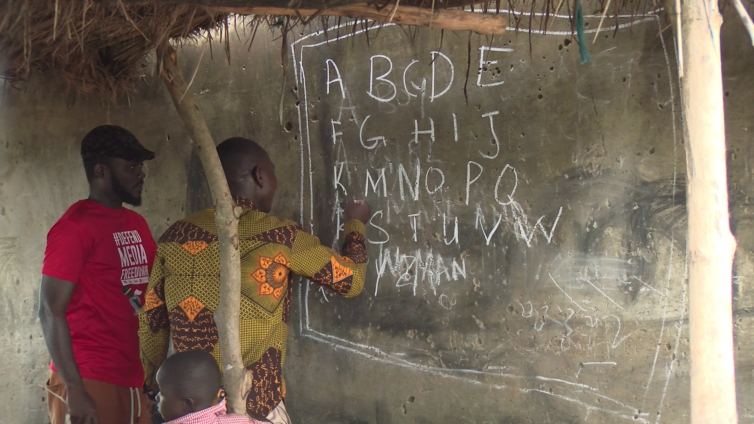
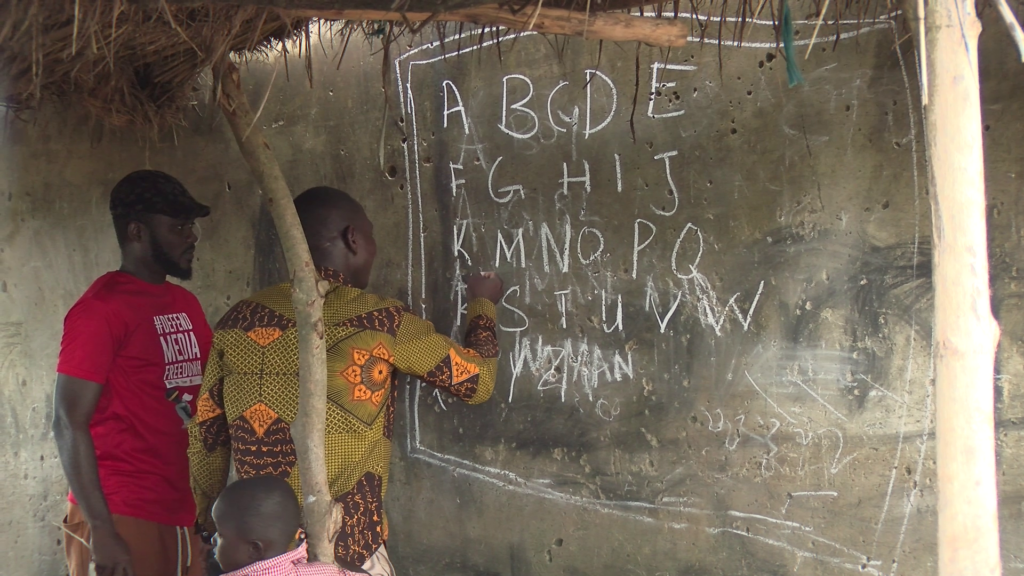
One such volunteer is Thomas Bignangma, a Senior High School graduate who has stepped in to assist. While his efforts are commendable, his lack of professional training presents major challenges. In one classroom session, an entire letter - ‘L’ - was missing from the blackboard. Worse still, pupils were taught to pronounce ‘M’ and ‘N’ the same way, and they confidently repeated these errors.
This report is part of JoyNews’ Education series, Crumbling Start, produced by Emmanuel Dzivenu in partnership with School for Life.
“The thing I’m teaching them, they don’t have a problem again. They know how to say it" Bignangma said, struggling to articulate his teaching method.
Without proper instruction, these children are being set up for failure long before they even have a chance to succeed.
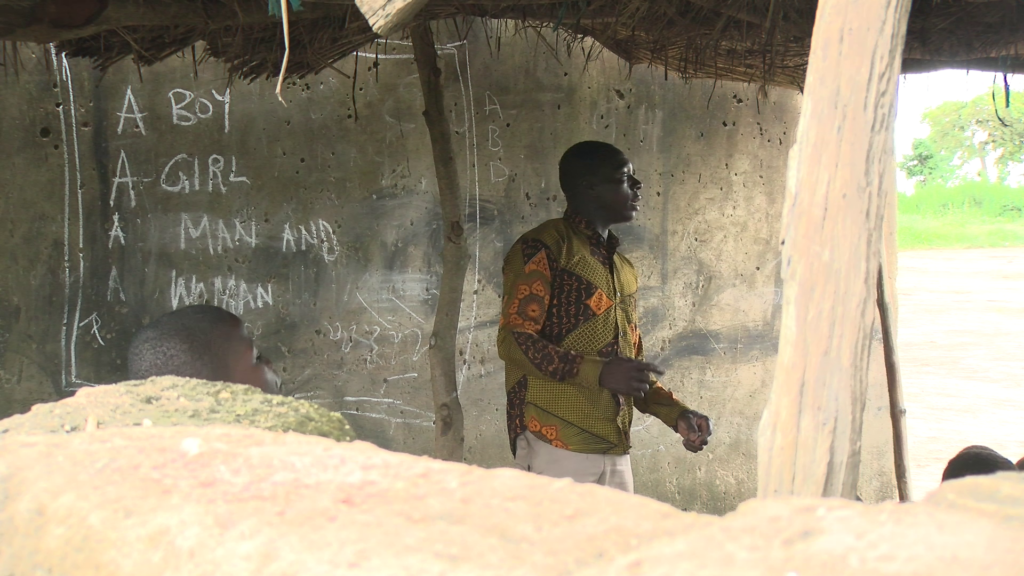
The school faces more than just a teacher shortage - it is crumbling under infrastructural constraints. With only three classrooms, multiple grade levels are forced to share the same space, making effective teaching nearly impossible.
“We are only two teachers handling KG1 to Basic Six. It’s difficult. We have volunteers helping, but they are not professional teachers,” said Francis Gangam, the school’s head teacher.
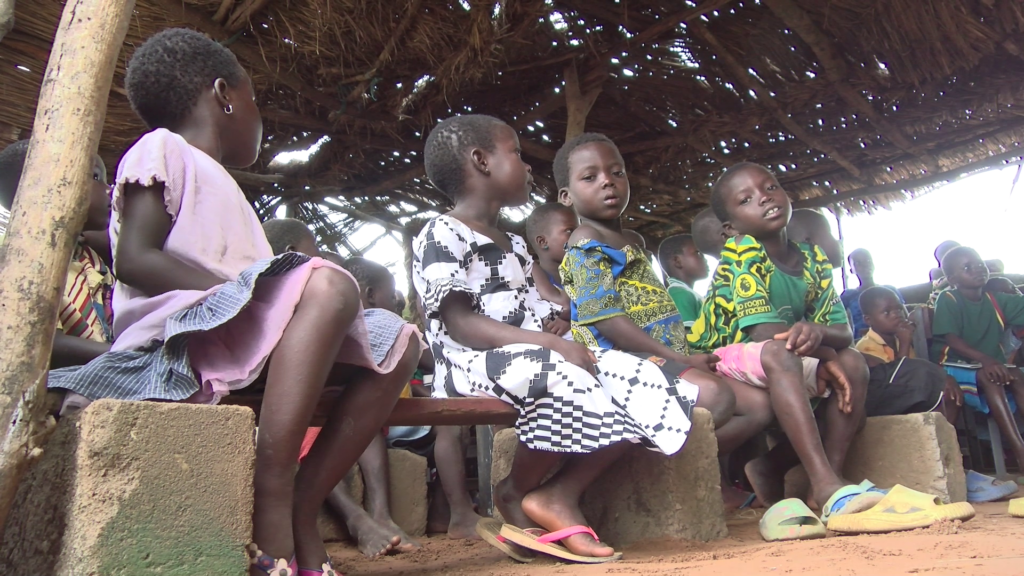
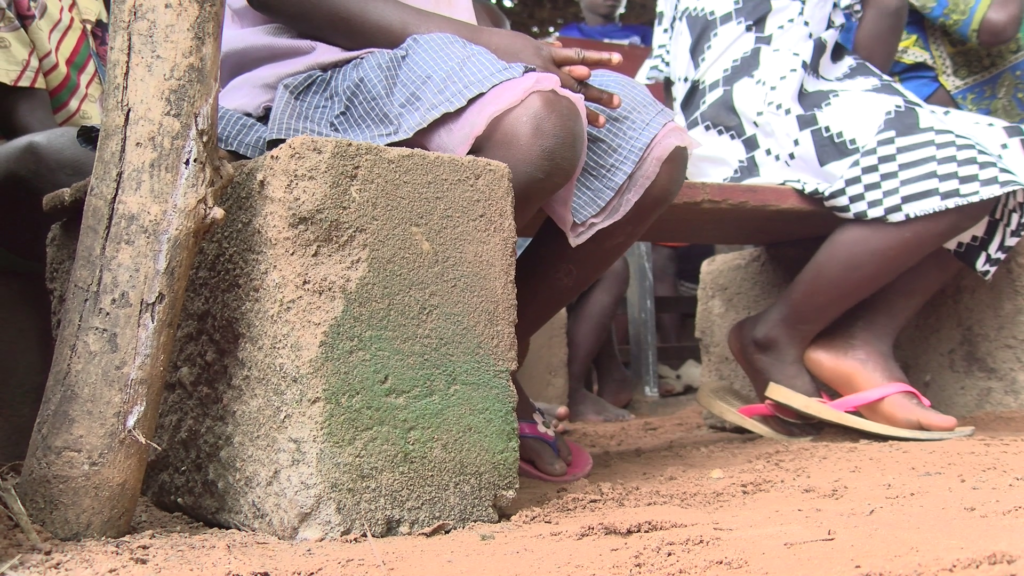
For the youngest learners, their classroom is nothing more than a fenced area, and they use concrete blocks - originally intended for a construction project - as makeshift furniture. These blocks were moulded in 2020 during the campaign of former District Chief Executive (DCE) Thomas Mbomba, who promised to build classrooms.
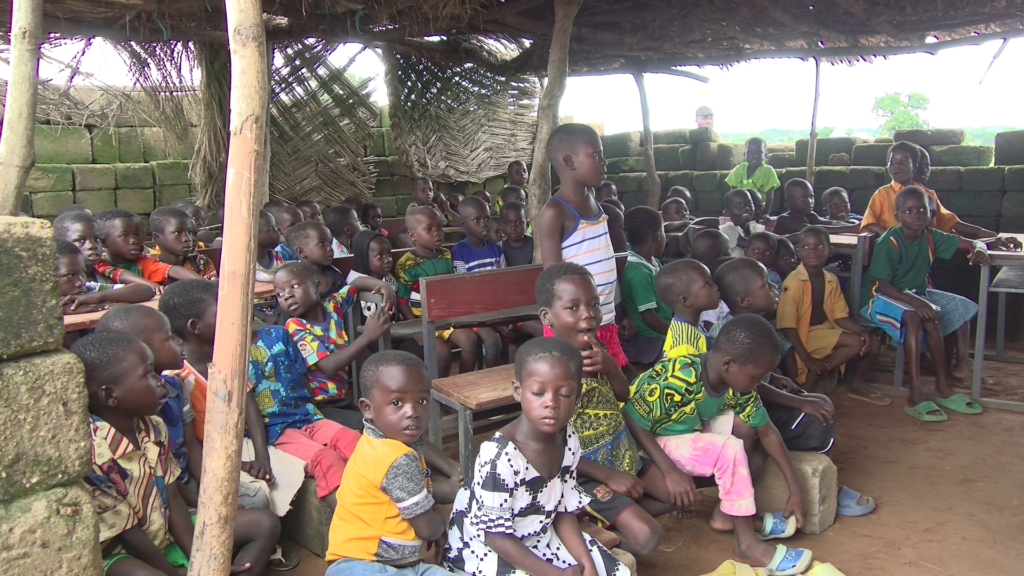
However, after winning his election, he never returned to complete the project. Today, the blocks are deteriorating, and the children continue to suffer under inadequate learning conditions.

“The MP promised to build classrooms, but after he won, he never came back. Now the blocks are spoiling, and the children are suffering,” Gangam lamented.
The struggles of Sabonjida D/A Basic School extend beyond the classroom. The school is not included in the national school feeding programme, forcing children to walk home for meals during break time. Many do not return, leading to frequent absenteeism and further disrupting their education.
“The children go home for food during break time. Most of them don’t come back. It’s affecting their learning,” said Assembly member John Nabei Nmongna.
Despite these challenges, the community refuses to let the school collapse. Parents have devised an unconventional method to support volunteer teachers - offering labour on their farms as payment for their services.
“I’m helping because there’s no teacher. The parents work on my farm to support me so I can keep teaching,” Bignangma explained.
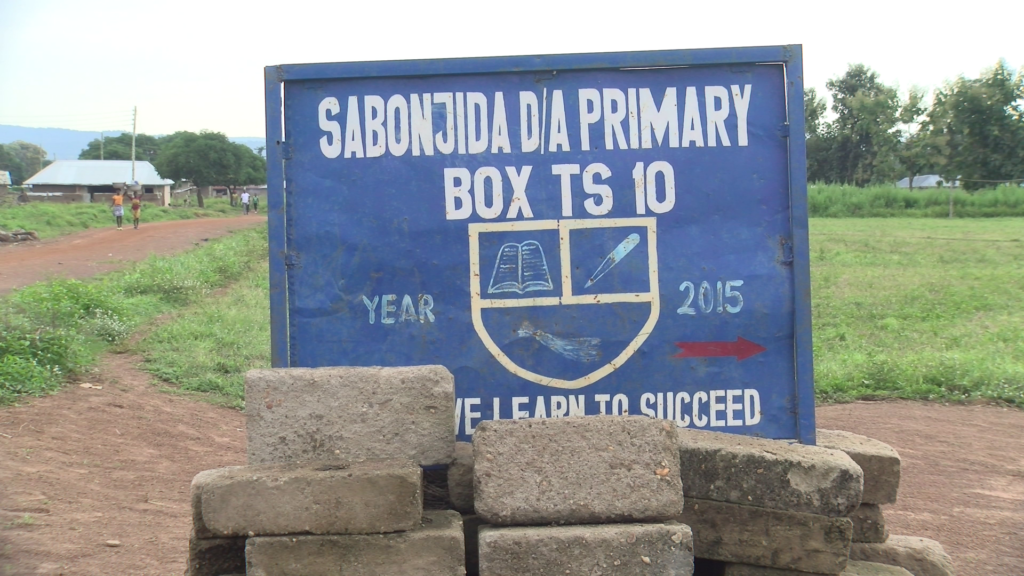
However, this is not a sustainable solution. The school urgently needs trained educators, proper infrastructure, and inclusion in the school feeding programme.
Community leaders and educators are making a desperate plea to the government for intervention.
“These children are our future leaders. How can they achieve anything if we continue to fail them like this?” Gangam questioned.
The situation at Sabonjida D/A Basic School is a stark reminder of the educational inequalities plaguing rural Ghana.
Without immediate intervention, an entire generation could be left behind, their dreams of a better future slipping further out of reach.
It is a call to action for policymakers to prioritise schools like Sabonjida before it is too late.
Latest Stories
-
Renaming KIA to Accra International Airport key to reviving national airline – Transport Minister
23 seconds -
Interior Minister urges public not to share images of Burkina Faso attack victims
2 minutes -
Unknown persons desecrate graves at Asante Mampong cemetery
10 minutes -
I will tour cocoa-growing areas to explain new price – Eric Opoku
14 minutes -
Ghana to host high-level national consultative on use of explosive weapons in populated areas
19 minutes -
Daily Insight for CEOs: Leadership Communication and Alignment
37 minutes -
Ace Ankomah writes: Let’s coffee our cocoa: My Sunday morning musings
41 minutes -
Real income of cocoa farmers has improved – Agriculture Minister
45 minutes -
I’ll tour cocoa-growing areas to explain new price – Eric Opoku
47 minutes -
Titao attack should be wake-up call for Ghana’s security architecture – Samuel Jinapor
47 minutes -
New Juaben South MP Okyere Baafi condemns Burkina Faso attack, demands probe into government response
1 hour -
A/R: Unknown assailants desecrate graves at Asante Mampong cemetery
1 hour -
What is wrong with us: Africans know mining, but do not understand the business and consequences of mining
2 hours -
Ghana Sports Fund begins grassroots field assessment in Volta North, uncovers talent and infrastructure gaps
2 hours -
Persons with disabilities are not objects of pity — Volta Social Welfare Director urges mindset shift
2 hours