

Audio By Carbonatix
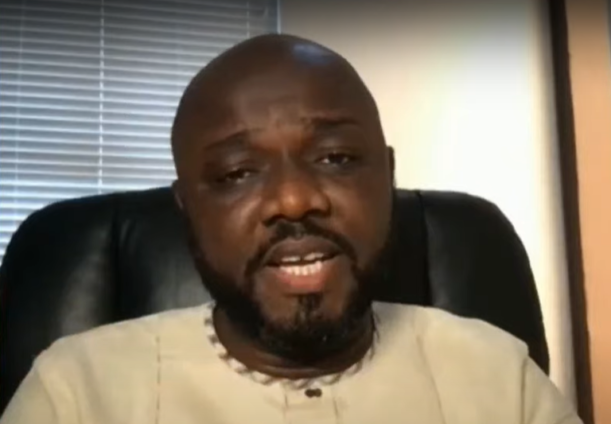
The Executive Director for the African Centre for Energy Policy (ACEP), Benjamin Boakye has advised the government to carry out an internal assessment of the Energy sector crisis so they can deal with it.
According to him, the government's continuous denial of the financial challenges in the power sector makes it impossible to address the situation.
Speaking on the Super Morning Show on Joy FM, he said “We need to define what the problem is and deal with it. We can’t keep referencing our situation today with the past 'dumsor' which everybody knows was a period in our history. What is the crisis today? The crisis we have today is finance which is impacting our economy in general and also the budget of the country,” he said.
He explained that although the government might argue that they have been able to keep the lights on without frequent load shedding, this action was at a higher cost to the economy.
“If you have to take $2 billion-plus from State resources only to keep the light on, it is a major crisis that we must address. ISSER estimated that 'dumsor' over its period cost Ghana about $2 billion and you have a power system today that is draining more than that every single year from our budget, which is a bigger crisis for us to deal with. So that we are not telling people that the light is on without telling them at what cost,” he said, adding that “when in fact it is about selling power, recovering the money and paying the value chain. Why are we failing to deliver this to the extent that we have to sacrifice that school, the hospitals, the roads, to be able to pay for electricity bills? That's what we are doing.”
To address the power sector crisis, he advised the government to comprehensively address the financial, managerial, and technical issues.
Read also: Electricity supply to be affected anytime soon – Energy Minister
Early on Monday, Minister for Energy, Dr. Mathew Opuku Prempeh raised concerns about the shortage of gas for productionan and its imminent impact on electricity supply.
According to him, the issue is a result of excessive dependence on gas plants, which differs from the past reliance on liquid fuel to support energy generation.
Read also: Ghana’s energy sector facing direr financial challenges than before – Ben Boakye
Dr. Prempeh explained that the country is currently grappling with a double predicament, where a complete shift towards a gas-based system has left the power infrastructure vulnerable, and that any interruption in the gas supply will lead to a shutdown of all power-generating systems, resulting in a complete blackout across the country.
Latest Stories
-
Imprisonment should be rehabilitative, not punitive – Ghana Prisons boss at UNGA
47 seconds -
Ga Adangbe traditional priests petition Mahama over McDan aviation licence revocation
12 minutes -
Anti-LGBTQ Bill: NDC’s arrogance is worrying – Hassan Tampuli
22 minutes -
Let’s give OSP time to mature, not to scrap it – Hassan Tampuli
26 minutes -
Nigeria convicts 386 Islamist militants in mass trials
31 minutes -
Djibouti president wins election with 97.8% of vote, state media says
36 minutes -
We don’t have mandate to deduct tax from rent allowance of security services personnel – Interior Ministry clarifies
50 minutes -
Ablakwa receives Presidential Special Envoy on Reparations to advance global agenda
1 hour -
Christina Koch becomes first woman to travel around the moon on Artemis II
1 hour -
Epstein survivors’ calls to meet King Charles and Queen harder to ignore as US visit approaches
1 hour -
UN Secretary-General names Ghana’s Anita Kiki Gbeho as South Sudan envoy
1 hour -
Mali withdraws recognition of Sahrawi Republic, backs Morocco’s autonomy plan
2 hours -
Gov’t distributes over 8,500 laptops to One Million Coders project
2 hours -
Julius Debrah, ‘man to beat’ as NDC’s James Agbey dismisses Musah Dankwah’s polls
2 hours -
GPRTU in Savannah Region to protest alleged eviction in Damongo
2 hours