


Audio By Carbonatix
The Deputy Minister for Energy and Green Transition, Richard Gyan-Mensah (MP), has thrown his weight behind nuclear energy as a vital component of the country’s power generation mix.
He said this is a decisive move to bolster Ghana’s long-term energy security.
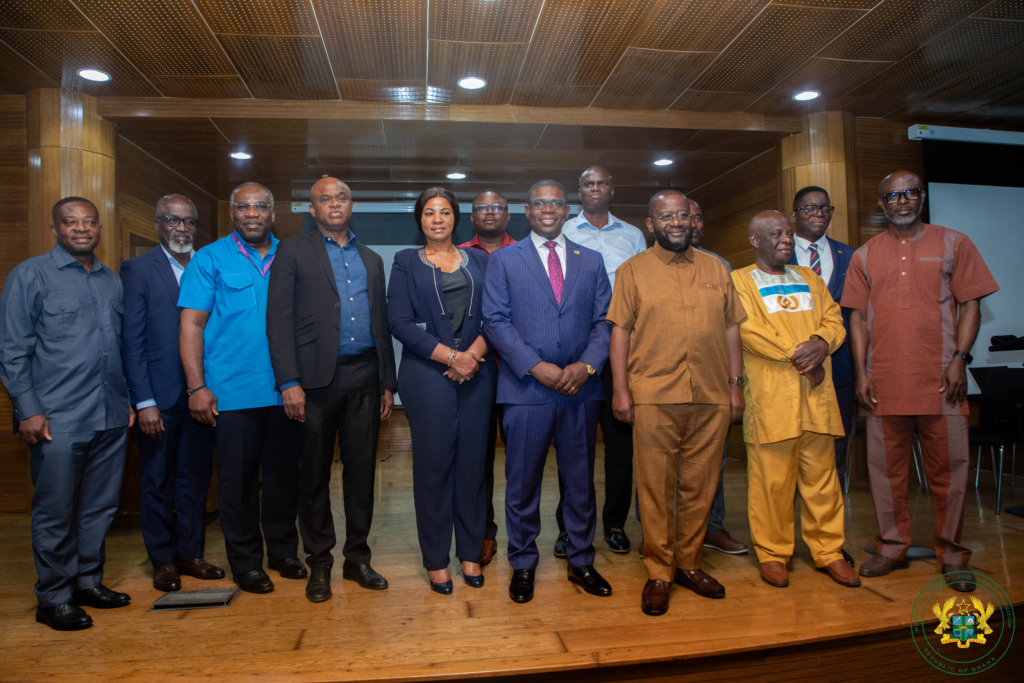
Addressing participants at a Stakeholders’ Engagement on the draft bill to establish Ghana’s Nuclear Power Company, under the auspices of the Ministry of Energy and Green Transition, he affirmed the government’s commitment to advancing nuclear power as a strategic national asset.
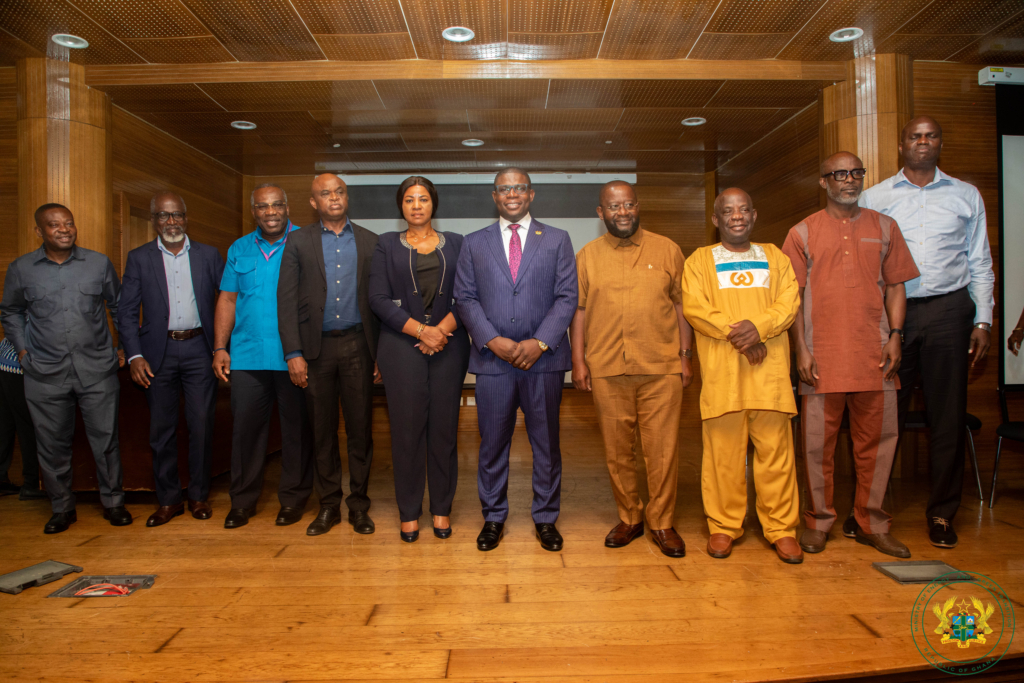
“Ghana’s energy demands are rising rapidly, and we must diversify our sources to ensure a stable and sustainable power supply. Nuclear energy is a strategic imperative. It offers base-load power to support industrialisation, low-carbon electricity to meet our climate obligations under the Paris Agreement, and enhanced energy security,” the minister stated.
He stressed that nuclear energy presents a clean, reliable, and efficient alternative that can substantially reduce Ghana’s dependence on fossil fuels while supporting national climate ambitions.
Highlighting the broader benefits, the Deputy Minister noted that nuclear power can generate large volumes of electricity with minimal greenhouse gas emissions, making it a critical tool in the fight against climate change.
He also reiterated the government’s unwavering dedication to upholding the highest international safety standards.
“The International Atomic Energy Agency (IAEA) has recognised Ghana’s strong commitment to nuclear development, and we are proud of the strides made under the Three-Phase Milestone Approach for newcomer countries,” he added. “Our decisions will be guided by science, data, and the best interests of the Ghanaian people.”
Mr. Gyan-Mensah reassured the public that the government is committed to transparency, accountability, and risk-informed planning. He emphasised that all appropriate safeguards would be implemented to protect the environment and public health.
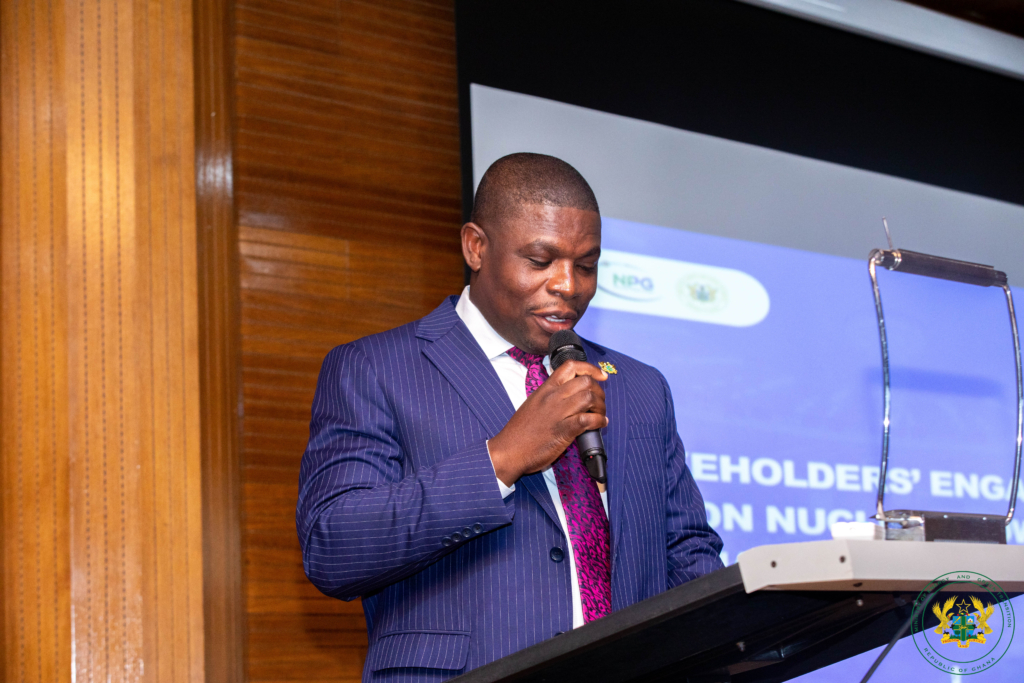
“We will continue to hold wide-ranging public consultations to ensure citizens’ concerns are heard and addressed,” he said.
The draft legislation is seen as a pivotal step towards establishing a comprehensive legal and institutional framework to drive Ghana’s peaceful use of nuclear energy in alignment with international standards.
Latest Stories
-
Investors target Ho Airport for training and maintenance hub — GACL Chair
1 minute -
NDC’s ‘grand deception’ on anti-LGBTQ+ bill exposed – Ntim Fordjour
2 minutes -
Speak out against Mahama government’s LGBTQI+ u-turn – Ntim Fordjour to clergy
6 minutes -
Ghanaians worse off despite improved macroeconomic indicators — Miracles Aboagye
10 minutes -
Police intercept narcotics, arrests five suspects in Upper West
15 minutes -
Government to establish Kumasi Machinery Innovation Park under 24-Hour Economy programme
18 minutes -
When Hormuz Fails: The day a waterway stops the world
19 minutes -
Ghanaian students in UK to protest over unpaid fees, stipends
19 minutes -
Inflation to go up marginally in April 2026 – Report
21 minutes -
Newborn baby found abandoned at Kronkromase cemetery, residents in shock
22 minutes -
VIP Jeoun Transport increases fares effective April 8
25 minutes -
Minority warns against alleged LGBTQ provisions in constitutional review
30 minutes -
Wave of violence kills at least 26 in Nigeria as army thwarts mass church abduction
48 minutes -
Anti-LGBTQ+: Mahama must be held to account to fulfil his promise – Ntim Fordjour
49 minutes -
Latvian businessman Aldis Ozols enstooled as development Chief of Supresu-Man
60 minutes