

Audio By Carbonatix
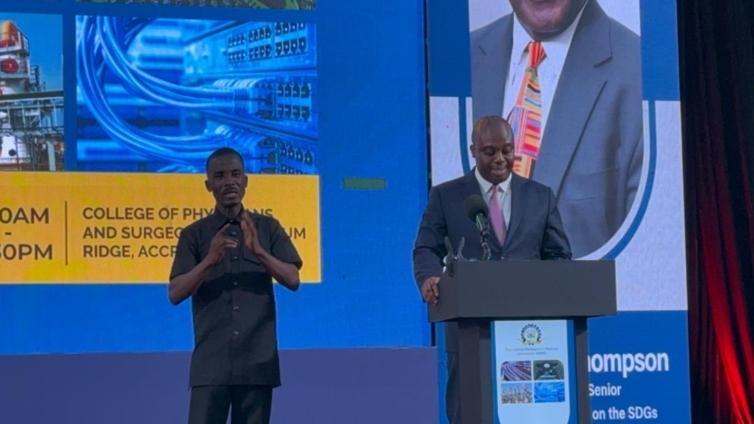
Deputy Minister for Finance, Thomas Nyarko Ampem, has urged broad national support for the newly launched Ghana Infrastructure Plan (GIP), describing it as a defining blueprint for building a modern, inclusive, and resilient country.
Speaking at the launch of the Plan, Mr. Nyarko Ampem said the initiative signals the government’s renewed commitment to prioritising long-term infrastructure development as a foundation for economic transformation.
“This launch is a milestone that marks a decisive step toward transforming our nation’s infrastructure landscape and accelerating Ghana’s journey toward sustainable, inclusive growth,” he said.

He noted that the Ghana Infrastructure Plan is a practical expression of President John Mahama’s vision for continuity in national development, one that rises above political cycles and ensures stable, long-term planning.
The Plan, he explained, not only provides a clear roadmap for infrastructure investment but also establishes stronger coordination across government institutions and the private sector.
The Deputy Minister emphasized three core pillars necessary for successful implementation: collaborative financing, effective coordination, and strategic communication.
He said the Ministry of Finance is committed to ensuring the Plan moves beyond paper into real, visible development.
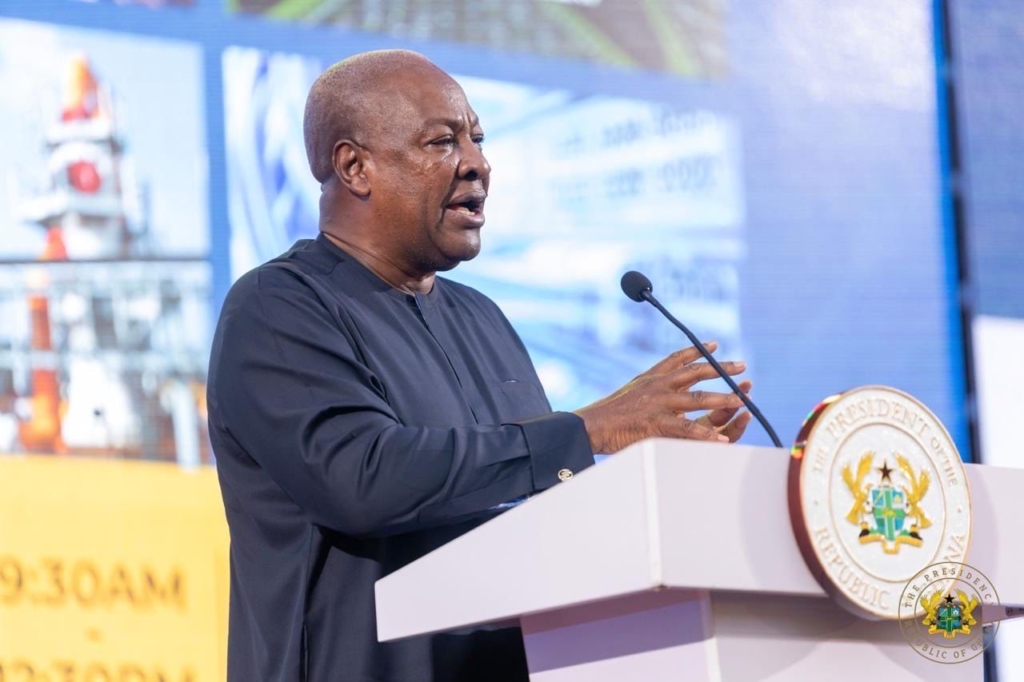
“Infrastructure financing is a foremost priority of President Mahama’s government,” he stated.
“Through the Big Push Initiative, we have allocated GH¢13.9 billion, part of a USD$10 billion medium-term financing programme, to accelerate infrastructure expansion.”
He added that the government is strengthening the Ghana Infrastructure Investment Fund (GIIF) to serve as a central vehicle for blended infrastructure financing, while ongoing reforms in the Public-Private Partnership (PPP) framework aim to attract increased private capital into critical national projects.
The Deputy Finance Minister further stressed that successful implementation will also require clear and consistent public engagement.
“This Plan represents a grand national vision,” he said.
“We must communicate it effectively to inspire collective ownership and attract private sector partnerships for its implementation.”
He reaffirmed the Ministry of Finance’s readiness to work closely with the National Development Planning Commission (NDPC), Parliament, and private sector partners in executing the Plan, describing its implementation as a turning point for Ghana’s economic revitalization.
The Ghana Infrastructure Plan provides a 30-year strategic framework for infrastructure development across transport, energy, water and sanitation, housing, and digitalization.
It is aimed at promoting inclusive growth, enhancing productivity, and securing long-term resilience for the national economy.
Latest Stories
-
Police arrest four for robbing Chinese nationals at Asankragua
20 minutes -
12 Nigerians arrested over cybercrime and human trafficking
25 minutes -
Broken-hearted palm wine tapper arrested for allegedly setting girlfriend, family ablaze
33 minutes -
US court: Ghanaian faces 20 years after $10m online romance scam plea
43 minutes -
Fuel prices to increase from March 16; Petrol up by 16.93%, diesel 17.21%
1 hour -
Gov’t lays bill to reduce tax on gold mining before Parliament
1 hour -
I’m excited John Mahama is president – A Plus
1 hour -
Constitutional reforms: Youth leaders rally behind proposal to lower presidential age to 30
2 hours -
Avoid short cuts during examinations – WAEC tells candidates
2 hours -
Empowering young voices through rights education
2 hours -
Gov’t declares March 20, 21 Eid-ul-Fitr holidays; Monday, March 23 additional holiday
2 hours -
Understanding rights, responsibilities, advocacy, and participation: The role of every citizen
2 hours -
Parliament passes bill making Presidential Charter optional for private universities
2 hours -
GSA, Germany partners push for cleaner cement innovation for building safety
2 hours -
‘She sat where you sit’ – Sam Jonah challenges UCC students to draw lessons from Naana Opoku-Agyeman
3 hours