

Audio By Carbonatix
Youth leaders and civil society organisations have thrown their support behind proposals to reduce the minimum age for presidential candidates in Ghana to 30 years.
They described the recommendation as a step toward making the country’s governance system more inclusive.
The proposal forms part of broader recommendations by the Constitutional Review Committee (CRC) to amend provisions of the 1992 Constitution.
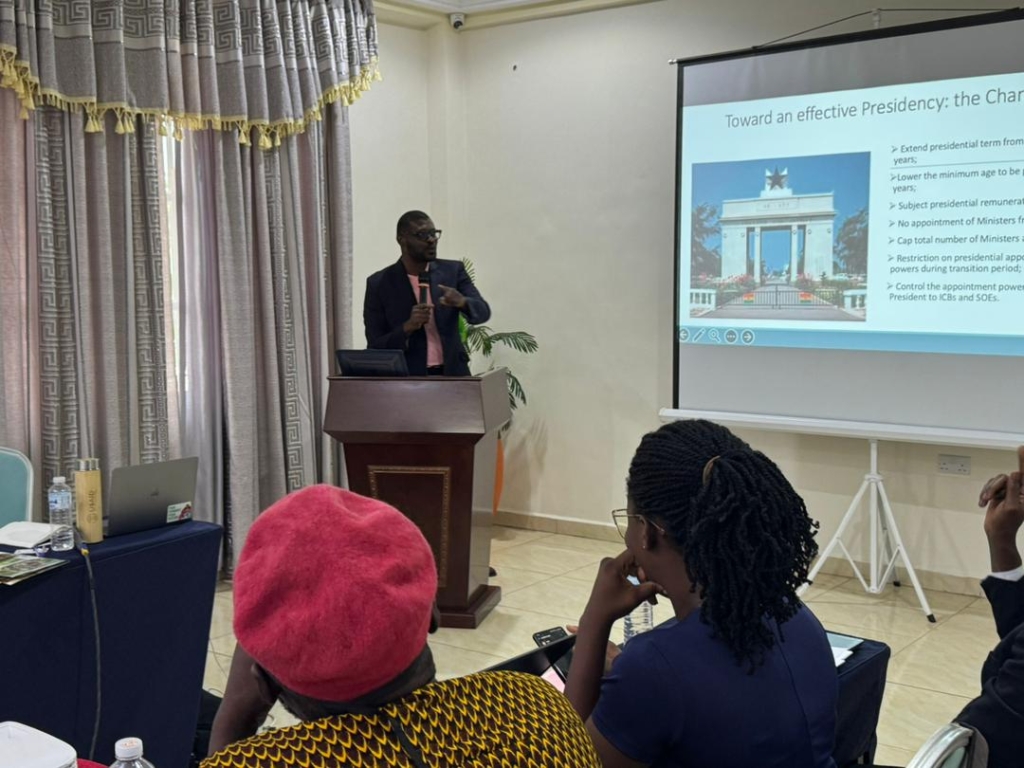
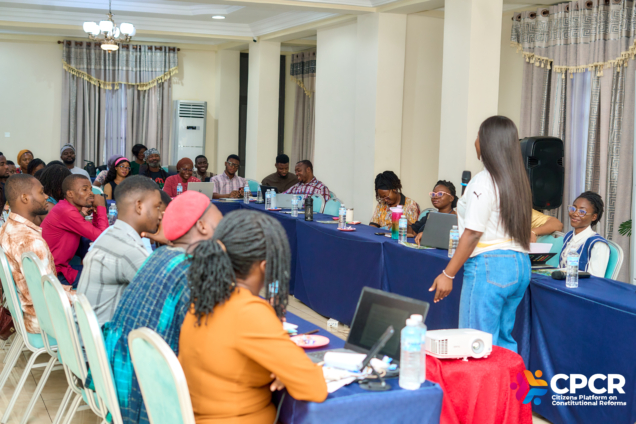
At a Youth Leaders and Youth CSOs Capacity-Building Workshop on the committee’s recommendations held in Koforidua, participants said lowering the presidential age requirement could open leadership opportunities for a younger generation and reflect Ghana’s youthful demographic.
Programmes Officer at CDD-Ghana, Vera Abena Addo, explained that the workshop was to equip youth leaders and civil society organisations with knowledge of the CRC’s proposals and prepare them to engage in the national conversation on constitutional reforms.

Participants in the 2-day workshop also called on government to release the full report of the committee to allow broader public scrutiny and engagement.
The CRC has proposed amending Article 62(b) of the Constitution to reduce the minimum age for presidential candidates from 40 to 30 years, a change aimed at broadening participation in national leadership.

Several youth leaders who participated in the workshop said the proposal represents an important shift toward greater political inclusion.
Fathiaya Zakari of Youth Empowerment for Life (YEFL) Ghana described the recommendation as a balanced compromise between younger and older generations.
“I think the 30 years is perfect. It’s a win-win for all and a middle ground where both the younger generation and the older generation can agree,” she said.
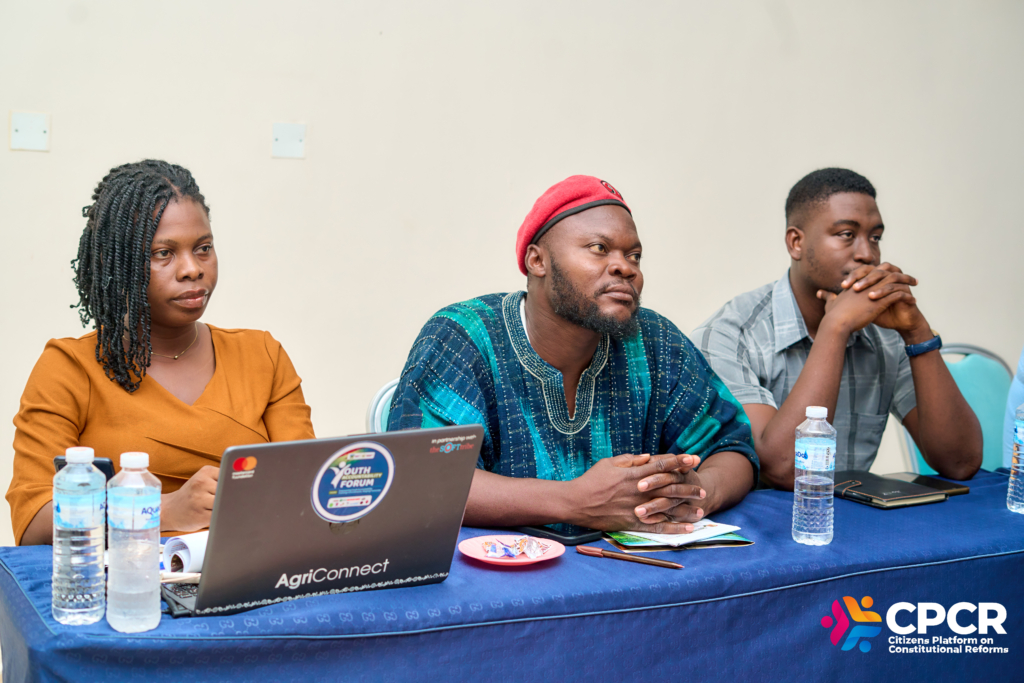
Ms Zakari added that lowering the eligibility age could encourage young people to begin preparing earlier in their careers for leadership and political participation.
“It gives us hope and helps young people start thinking earlier about preparing themselves for elections,” she noted.
While welcoming the proposal, Linda Fremah of the Ashanti Regional Youth Network said reforms should also consider the wider youth demographic.
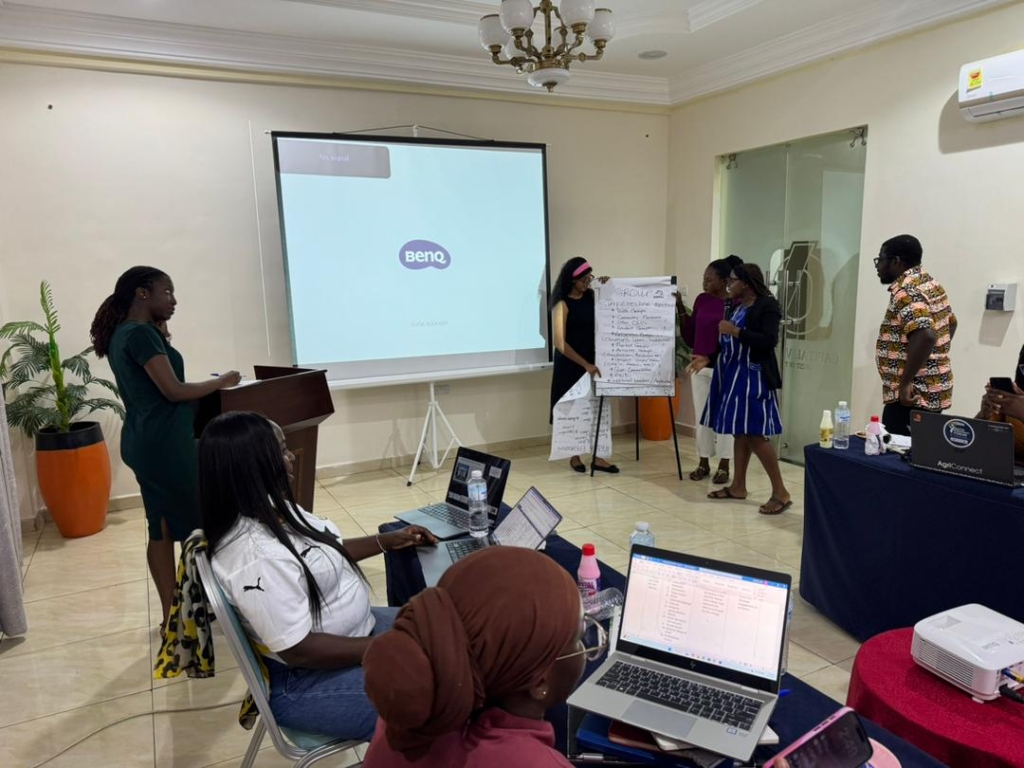
She noted that the youth age bracket is commonly defined as between 15 and 35 years, meaning some young people could still feel excluded even with the reduced presidential age threshold.
“Inasmuch as we agree with the 30 years minimum age, we must also think about reforms that create space for the broader youth bracket,” she said.
Ms Fremah argued that excluding younger voices could limit the diversity of ideas within the country’s governance system.
“If we cut it at 30 years, we risk losing different mindsets in the intergenerational system that we are trying to build,” she added.
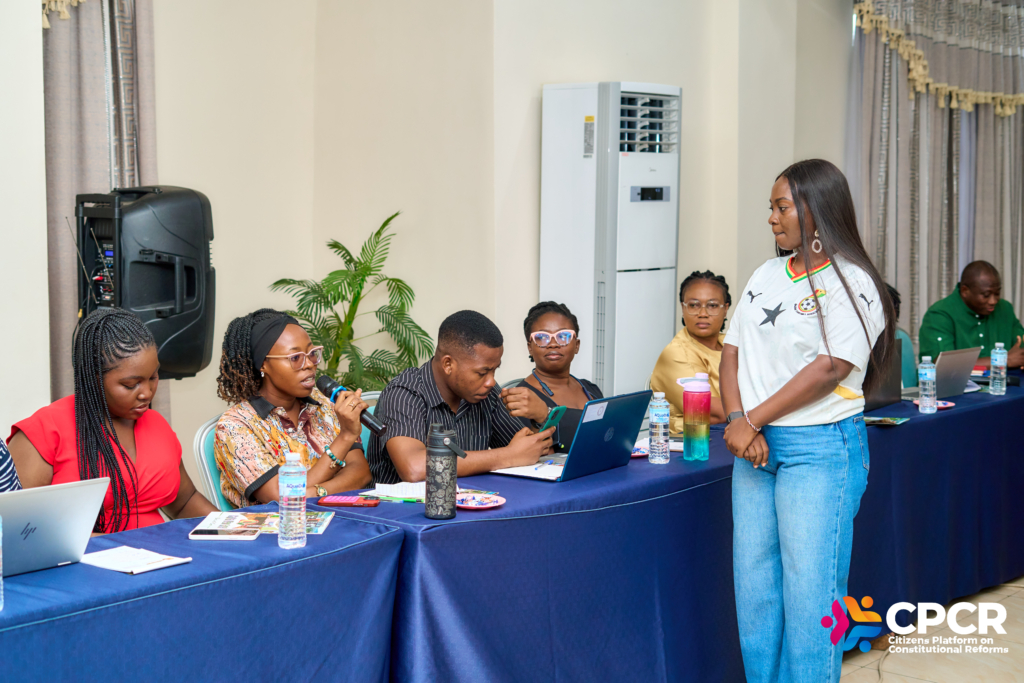
For Christopher Penu of the Ghana Youth Manifesto Coalition, the broader concern is the gap between Ghana’s demographic realities and representation in governance.
“Over 73 percent of the population is made up of young people below the age of 35, yet they are not adequately represented within our governance architecture,” he said.
Mr Penu argued that constitutional reforms present an opportunity to reshape Ghana’s democratic system so that it better reflects the composition of the population.
“If we are practicing democracy, then it must genuinely reflect the people,” he said.
Reacting to the discussions, Head of Research at the CRC, Noah Adamtey, said the enthusiasm among young participants demonstrates growing demand for political inclusion.
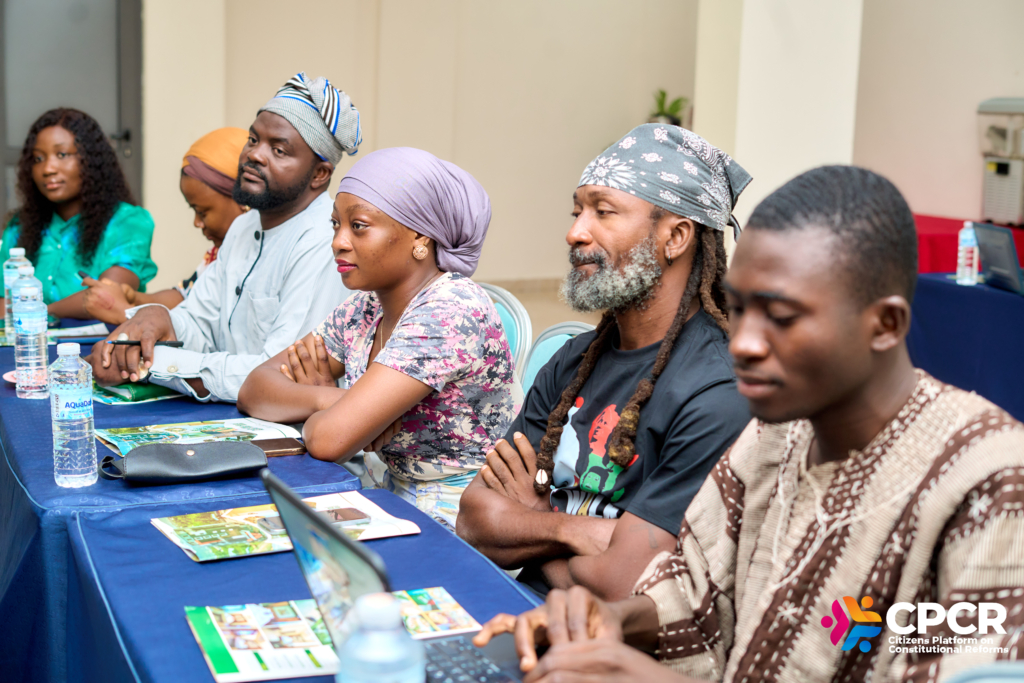
According to him, many young people believe Ghana’s governance system must evolve to recognise the leadership potential of younger generations.
“Young people across the world are taking up leadership roles, even leading countries. They want a place within the governance architecture to show what they are capable of,” he said.
Adamtey also pointed out that Ghana’s political system already allows relatively young individuals to hold key public offices.
“In Ghana, someone can become a Member of Parliament at 21. Since most ministers are appointed from Parliament, a person that young could even become a minister,” he noted.
He added that lowering the presidential age does not automatically guarantee younger presidents but simply allows voters to decide.
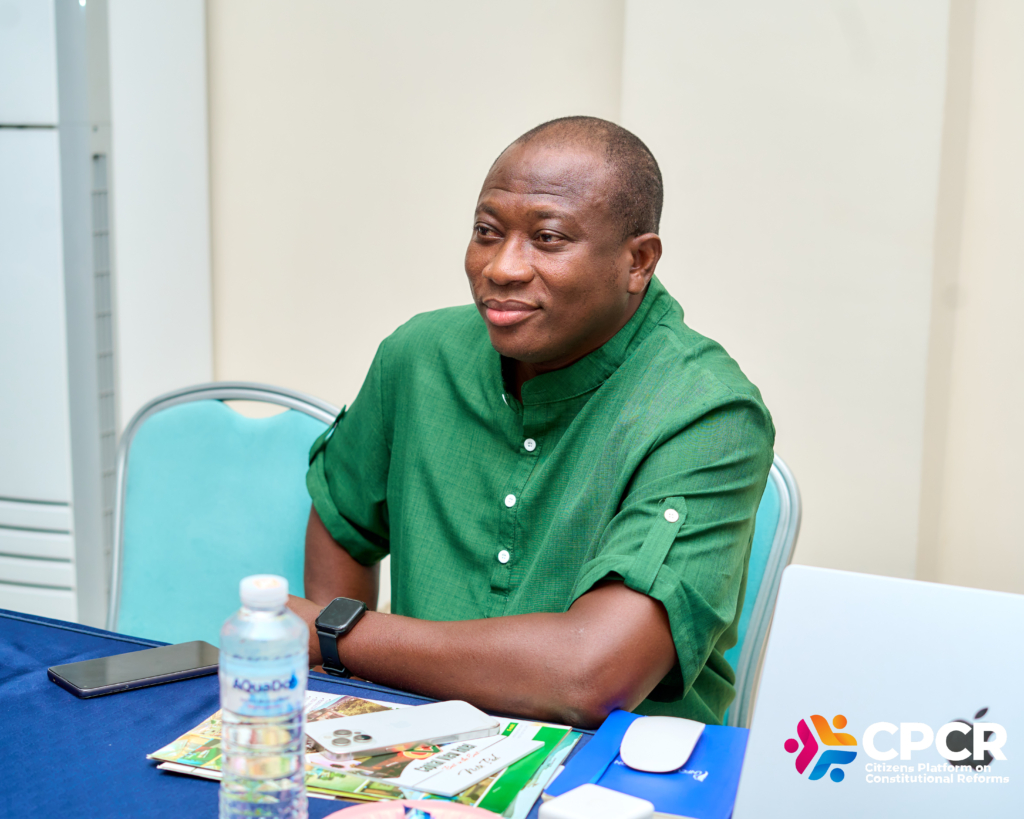
“Ultimately, Ghanaians will still evaluate the competence and leadership qualities of anyone who seeks the presidency,” he said.
Meanwhile, Director of Advocacy and Policy Engagement at CDD-Ghana, Dr Kojo Pumpuni Asante, cautioned that meaningful reforms are necessary to sustain public trust in democratic institutions.
Addressing participants at the workshop, he said Ghana’s governance system requires changes to better serve citizens.
“What we have is not working, and we need to change it,” he said.
Dr Asante warned that if reforms demanded by citizens—particularly young voters—are not pursued, public confidence in the political system could erode.
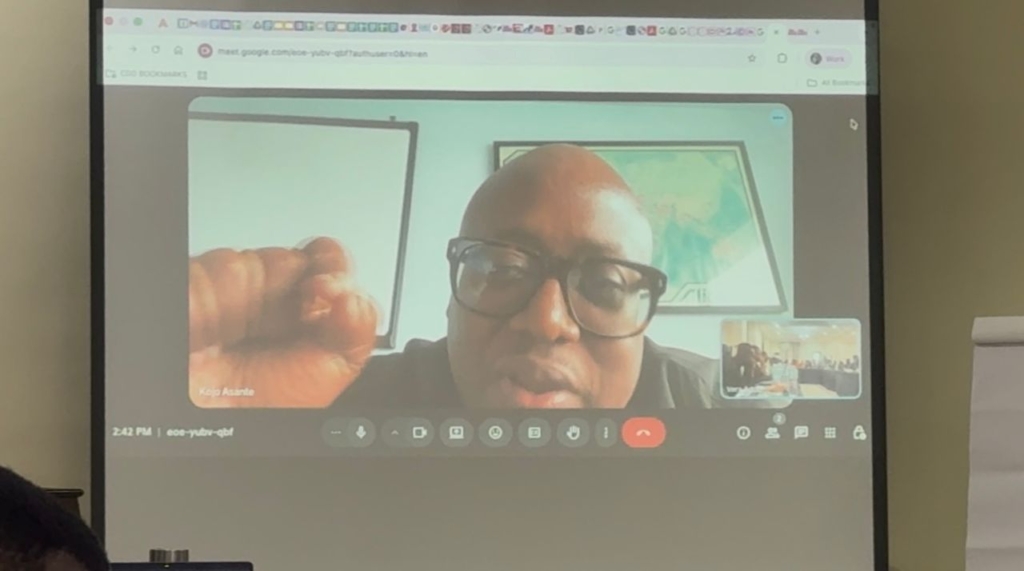
“When there is no trust in institutions and leadership, it becomes very difficult to govern. You will see fewer people participating in elections and less respect for public institutions,” he said.
He described the moment as an early warning for policymakers to take action.
“We must take action now, or we will all have to deal with the consequences,” he added.
Beyond the discussions on youth inclusion, participants at the workshop also called on government to publish the full report of the Constitutional Review Committee.
They argued that wider public access to the document would enable citizens, civil society organisations, and the media to engage more meaningfully with the proposed reforms.
For many of the young leaders gathered in Koforidua, the constitutional reform process represents a rare opportunity to reshape Ghana’s democratic framework and expand the space for youth participation in national leadership.
The Citizens’ Platform on Constitutional Review is a collaborative initiative facilitated by CDD-Ghana, STAR-Ghana Foundation, and Democracy Hub, bringing together diverse organizations, activists, and citizens to coordinate engagement, advocacy, and accountability in Ghana’s ongoing constitutional reform process. Supported by FCDO
Latest Stories
-
‘Our missing players are more important’ – Gambia coach fires shot at Ghana
3 minutes -
Today’s front pages: Tuesday, September 29, 2026
6 minutes -
Ghana ‘showing up differently’ on global stage – Joyce Bawah Mogtari
34 minutes -
Ghana’s tuna industry in crisis as 20 hook-and-line vessels collapse
1 hour -
South Tongu MP launches apprenticeship programme for 159 young people
1 hour -
The Pusiga connection behind Gertrude Atongi’s work in New York
2 hours -
Teachers took promotion exams in December to beat government clearance deadline – GNAT
2 hours -
NPA launches 2026 staff welfare week with focus on teamwork and employee wellbeing
2 hours -
Ghana, Saint Kitts and Nevis sign labour deal to strengthen protections for Ghanaian nurses
2 hours -
Delayed promotions put teachers’ retirement benefits at risk – GNAT
2 hours -
No ‘Bawumia candidates’ in NPP executive elections – Anthony Karbo
2 hours -
Over 3,000 displaced as flooding overwhelms Hohoe communities
2 hours -
Sunyani East NPP executives begin reconciliation drive ahead of 2028 polls
2 hours -
Agric Minister engages Ga Mantse on agriculture transformation agenda
2 hours -
Aayalolo expansion targets private car users, not trotro operators – Mahama Ayariga
2 hours