

Audio By Carbonatix
The International Monetary Fund (IMF) has commended the introduction of Ghana’s Domestic Gold Purchasing Programme (DGPP), citing its positive impact on economic stability during a period of severe financial distress.
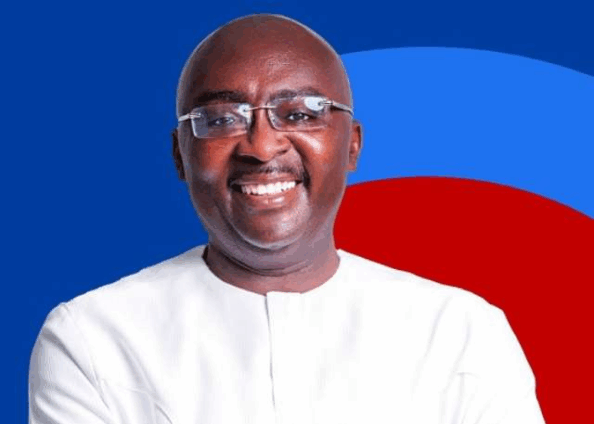
The DGPP, a brainchild of former Vice President Dr Mahamudu Bawumia, was introduced in 2022 at a time when Ghana’s economy was reeling from the effects of the global economic crisis. The downturn led to a sharp depreciation of the cedi, rising fuel prices and high inflation.
Amid the crisis, Dr Bawumia proposed the Domestic Gold Purchasing Programme to the Bank of Ghana as a means of shoring up the country’s gold reserves. The strategy was designed to provide a buffer against exchange rate volatility and help contain escalating fuel costs.
The policy yielded swift results, with Ghana’s gold reserves increasing significantly from about eight tonnes to 30 tonnes within two years. This development contributed to relative currency stability, with the cedi strengthening from nearly GH¢17 to around GH¢14 by 2024, alongside a reduction in fuel prices.
Speaking at a press briefing in Washington, the IMF noted that the DGPP played a significant role in stabilising Ghana’s economy during the crisis period.
Director of Communications at the IMF, Julie Kozack, acknowledged that the programme helped bolster international reserves and ease pressure on the foreign exchange market.
“On the benefit side, what we see is a contribution to a build-up of international reserves and reduced pressure on the foreign exchange market during a difficult period for Ghana,” she said.
While commending the programme’s overall impact, Ms Kozack also raised concerns about recent losses associated with the initiative and called for enhanced transparency and stronger risk management measures going forward.
Latest Stories
-
Police hunt suspects after gunfire triggers chaos at Kotoku Onion Market
2 minutes -
Health Ministry partners private sector to boost public education on safe healthcare practices
12 minutes -
GhIE demands independent audit of GH¢110bn Big Push road programme
14 minutes -
Heavy rainstorm causes power outages in Ashanti Region – ECG
14 minutes -
Abuakwa MP supports constituents to mark Easter celebration
16 minutes -
CAF U-17 AFCON: Ghana handed tricky opponents in Group D
18 minutes -
Manhyia South MP decries unchecked commercialisation of residential areas, warns of extinction
19 minutes -
U-17 AFCON 2026: Ghana drawn in tough group as Black Starlets eye World Cup return
20 minutes -
NRSA recommends strict enforcement of laws banning right-hand drive imports
28 minutes -
‘Don’t belittle our intelligence’ – Methodist Bishop criticises Kwakye Ofosu over LGBTQ comment
28 minutes -
Ghana’s crude oil output declines for 6th consecutive year – PIAC
31 minutes -
$434m in oil revenue allocated to Big Push Programme — PIAC
32 minutes -
Ghana’s oil production hits 694 million barrels since 2010 – PIAC report
40 minutes -
Ghana records 7.5% economic growth in January 2026, services sector leads expansion
44 minutes -
One-cedi levy essential to keep power sector afloat- Ben Boakye
46 minutes