

Audio By Carbonatix
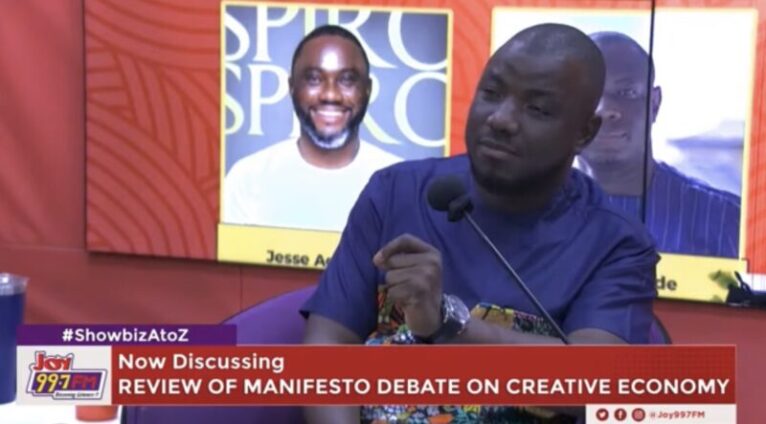
The Head of the Political Science Department at the University of Ghana, Professor Alidu Seidu, has urged political parties not to lump up too many things in their manifestos.
According to him, it is imperative to always target the low-hanging fruits in presenting policy ideas to the people.
He told Kwame Dadzie on Joy FM’s Showbiz A-Z that instead of giving excuses like “manifestos are not cast in stone”, the politicians should rather prioritise their policies.
“It’s good to put the most important ones that you are ready to implement for public scrutiny in your manifesto. Those that you think are good, but you are not certain about, keep them. If the environment is right and you do them, then you surprise the people, other than just lump everything up.
So you pick their manifestos, 100 pages, 200 pages, everything is there. And the politicians are convinced that they can’t implement all these things even in 20 years,” he said.
Responding to the outcome of Joy FM’s Manifesto Debate on Creative Economy, vis a vis the propensity of political parties to renege on their promises, Professor Alidu noted that it is always imperative that they keep to their promises.
“Manifestoes are political contracts so what you say you are going to do will influence people to vote for you. So in democracies where there is deep accountability, it is important that you do what you promise. Because people are going to vote for you just because of one particular thing that you promise them you’re going to do.
That is why when you are doing the manifesto you take into consideration a whole lot of things: how do you cost the manifesto especially the very key ones? There are some that are just policy issues - 'when we come, we leverage this, we upgrade this', those are different. But you should be able to cost key policy decisions you have in your manifesto,” the Political Science lecturer noted.
He said this will enable the political parties to know the amount of money required to implement the intended projects.
“If you are able to cost your project, it gives you the opportunity to either decide whether it’s going to be public sector-led finance, private sector-led finance or public-private partnership. And we all agree that it’s not going to be easy for the public sector moving forward,” he intimated.
He further indicated that even with private sector investments, there are indicators that influence such moves.
“The private sectors don’t come into a project just like that. Definitely, they will look at the viability, visibility, and also maybe the risk associated with it,” he indicated.
Stakeholders in the cultural and creative industries, have always held policy makers accountable for their works. Various political parties have been mauled for not delivering on their promises.
However, by way of deepening the commitment of politicians to the arts, Joy FM organised the Manifesto Debate on Creative Economy on September 14, 2024, inviting representatives from various political parties to explain creative arts ideas in their manifestos.
Latest Stories
-
Landfilling waste management creates no value, it’s an economic waste
17 minutes -
Photos: Speaker Bagbin Commissions MPs constituency office under parliamentary decentralisation programme
32 minutes -
Black Stars technical advisor Winfried Schäfer sacked as GFA shakes up backroom staff
37 minutes -
Wenchi water project almost complete, critical to gov’t agenda – GWL MD
53 minutes -
Anti-LGBTQ+ bill not part of government’s legislative agenda – Inusah Fuseini
55 minutes -
Anti-LGBTQ Bill: Forget the rumour mongers, I’m a man of action, and will pass the bill – Speaker
2 hours -
Women and children among those killed in Sudanese army shelling of wedding celebration
2 hours -
President Mahama is not sincere with Ghanaians on LGBTQ bill matter – Hassan Tampuli
2 hours -
Gov’t to establish Prison Industrial Hub to equip inmates with income-generating skills – Prison Service boss
2 hours -
Alhassan Tampuli donates cement, roofing sheets to support storm victims in Gushegu
2 hours -
Alhassan Tampuli appeals for urgent support for storm victims in Gushegu
2 hours -
The hypocrisy must stop; pass Anti-LGBTQ+ Bill now – Alhassan Tampuli to Mahama
2 hours -
Imprisonment should be rehabilitative, not punitive – Ghana Prisons boss at UNGA
3 hours -
Ga Adangbe traditional priests petition Mahama over McDan aviation licence revocation
3 hours -
Anti-LGBTQ Bill: NDC’s arrogance is worrying – Hassan Tampuli
3 hours