

Audio By Carbonatix
Ghana has taken a monumental step towards building a more sustainable future by unveiling a comprehensive roadmap to decarbonise the building and construction sector.
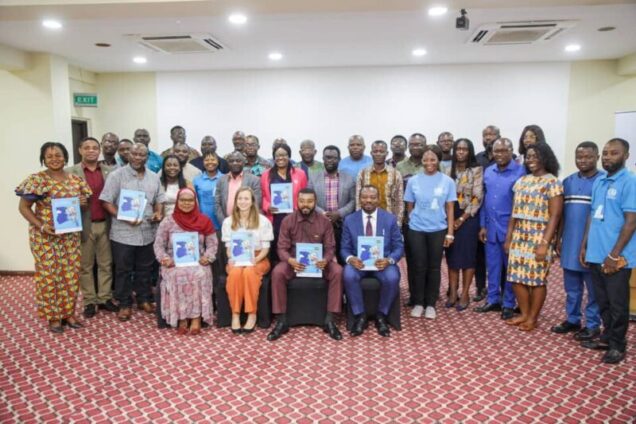
The roadmap, launched on October 24 at the AH Hotel in Accra, aims to significantly reduce carbon emissions across the entire construction value chain.

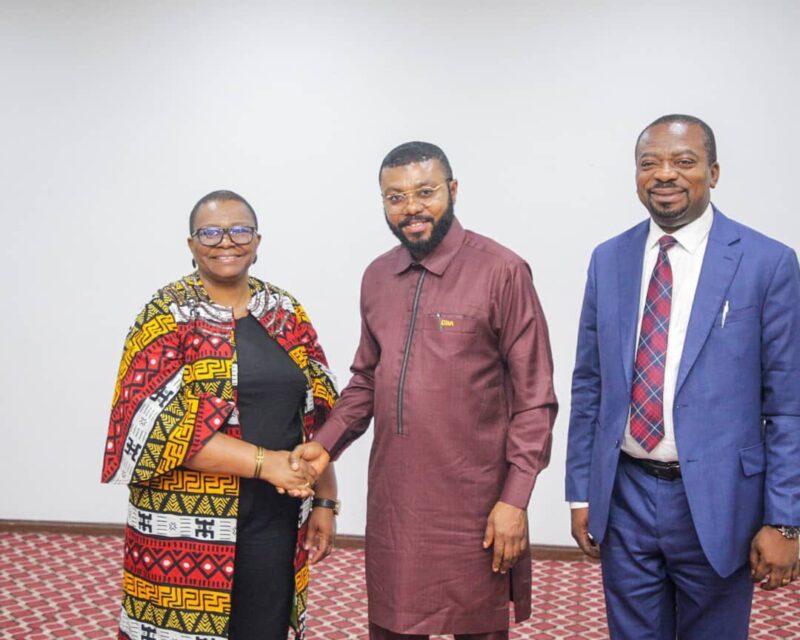
Speaking at the launch, the Deputy Minister of Housing, Dr. Prince Hamid Armah, emphasized the importance of this initiative, describing it as a “transformative” and “pivotal step” in the nation’s journey toward environmental sustainability.
“This moment marks a pivotal step in our collective effort to create a more sustainable, resilient, and environmentally responsible built environment in Ghana,” Dr. Armah declared.
In collaboration with UN-Habitat and UNOPs, the Government of Ghana has crafted this roadmap as part of broader efforts initiated in November 2023 under the “Transforming the Built Environment through Sustainable Materials” program.
The roadmap seeks to address the construction sector’s significant contribution to global climate change.
“The building sector is a major contributor to climate change. According to the United Nations Environment Programme, this sector accounts for over 37% of global energy-related carbon emissions,” Dr Armah highlighted, emphasising the urgent need for action.
He further pointed out the staggering statistics linked to the industry’s environmental impact, including its consumption of 40% of global energy and 30% of raw material extraction.
Key strategies outlined in the roadmap include the promotion of energy-efficient systems, green building materials, water conservation, and the adoption of innovative technologies.
“This roadmap is not just a document; it is a blueprint for meaningful change,” Dr. Armah stated.
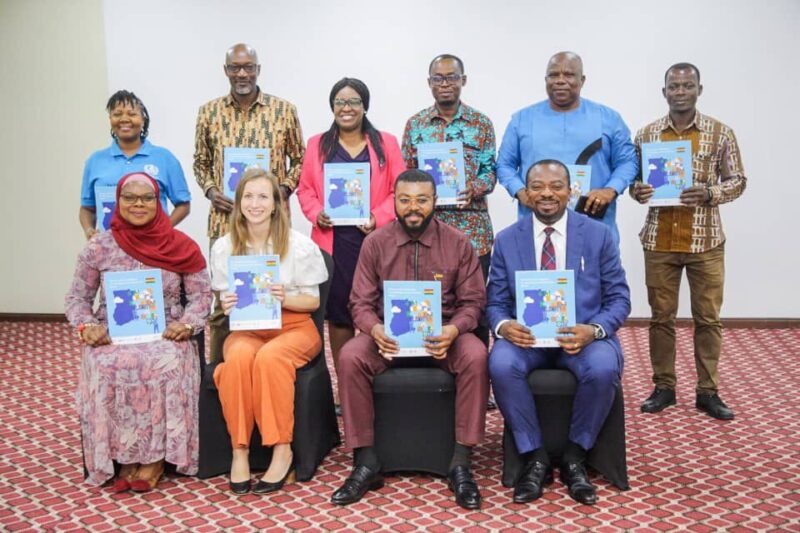
He also stressed that collaboration from all stakeholders is crucial to the success of the roadmap.
As Ghana continues to experience rapid urbanisation, with an urban population of 58%, the demand for sustainable construction practices has become more urgent.
Dr. Armah urged stakeholders—government entities, the private sector, financial institutions, and civil society—to work together to ensure that Ghana’s built environment reflects its values, culture, and commitment to sustainability.
In conclusion, the Deputy Minister launched the roadmap with a hopeful message: “Let it inspire action, encourage partnerships, and drive the innovation needed to build a future we can all be proud of.”
Latest Stories
-
Manhyia South MP demands PPA board minutes on ‘Big Push’ sole-sourcing approvals
3 minutes -
Today’s Front pages: Tuesday, April 7, 2026
5 minutes -
President Mahama praises GWL MD Adam Mutawakilu over Damongo Water Project progress
7 minutes -
Ghana–China Forum explores zero-tariff trade opportunities
25 minutes -
What is wrong with us?: A quiet truth we can no longer ignore
38 minutes -
What is wrong with us? : When sirens become symbols of power rather than protection and emergencies
57 minutes -
Businesses scramble to get noticed by AI search
1 hour -
From perk to performance: Why employee wellness must be a core business strategy
2 hours -
Bank of Ghana’s $1.3bn profit from gold sale could help narrow 2025 losses
2 hours -
Odau Twafohene Baffour Osei Afrifa appointed Regent of Akyem Chia
2 hours -
We are focused on engineering low interest rate regime – BoG Governor assures
2 hours -
How Sporting hero Gyokeres could end European run
2 hours -
The attack on Ghanaian traders in Burkina Faso and the blame game: Why Hybrid Security Governance Holds the Key (II)
2 hours -
Bayern face waiting game on ‘very special’ Kane
2 hours -
The Problem with Nutrition Advice on Social Media – Lessons from a study among University Students
2 hours