

Audio By Carbonatix
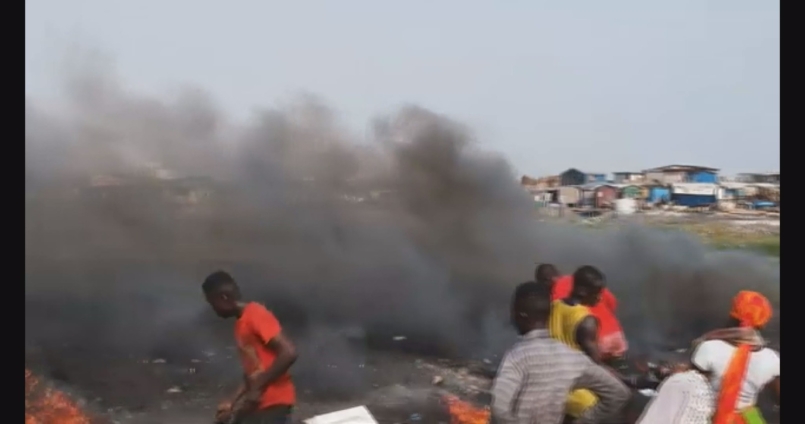
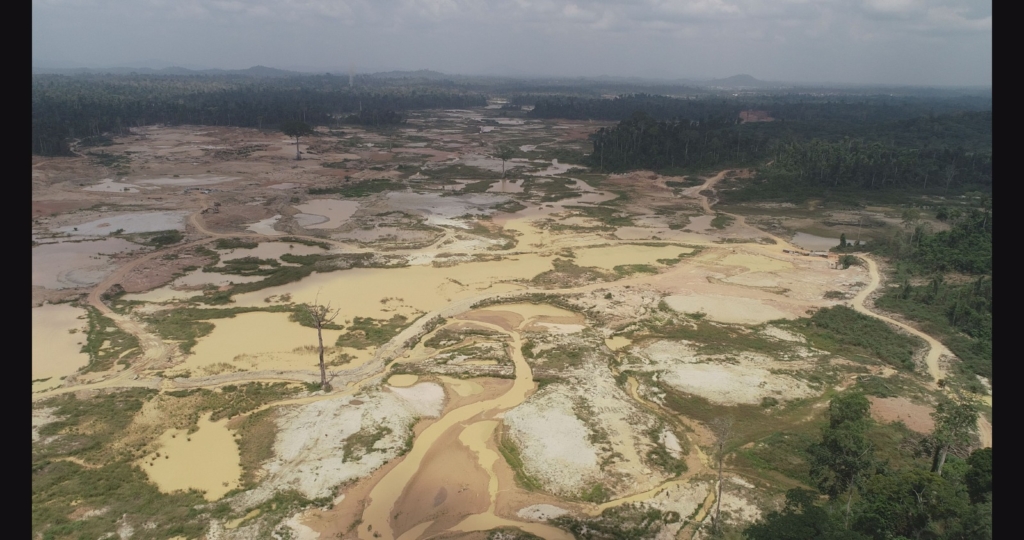
Dr. Benson Owusu, a public health expert, is raising the alarm over the growing exposure of children to toxic heavy metals from illegal mining and open burning, warning that contamination from galamsey operations and air pollution could increase the risk of diabetes and other life-threatening diseases.
The Korle Bu Teaching Hospital recorded more than 5,000 cases of non-communicable diseases (NCDs) in the first half of 2025, including complicated diabetes referrals and over 2,000 kidney cases. Experts say this represents rising numbers and underscores concerns about the health impact of environmental pollution linked to illegal mining, which continues to spread across parts of the country despite its known risks.
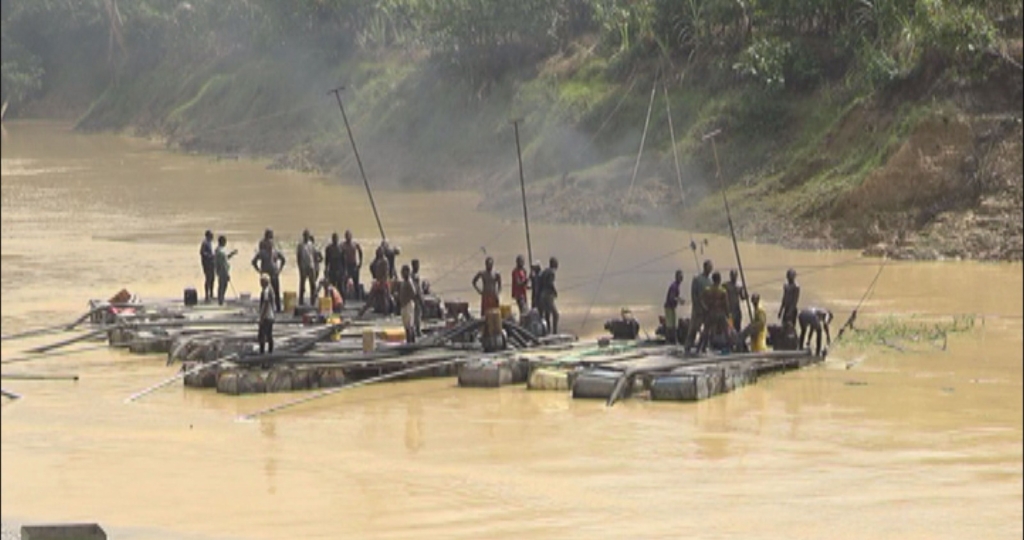
Dr. Owusu, a lecturer at the School of Nursing and Midwifery, Central University, says exposure to heavy metals such as lead, mercury, and arsenic through contaminated food, water, or air can seriously damage vital organs. He explained that these toxic substances can harm the pancreas, the organ responsible for regulating blood sugar, potentially triggering diabetes, including Type 1 diabetes, even in children.
Affected children may exhibit symptoms such as constant hunger, excessive thirst, frequent urination, and unexplained weight loss despite normal eating, as their bodies struggle to convert food into energy. Untreated diabetes, Dr. Owusu warns, can lead to severe complications including blindness, kidney failure, and high blood pressure, as the disease gradually damages blood vessels and other vital organs.
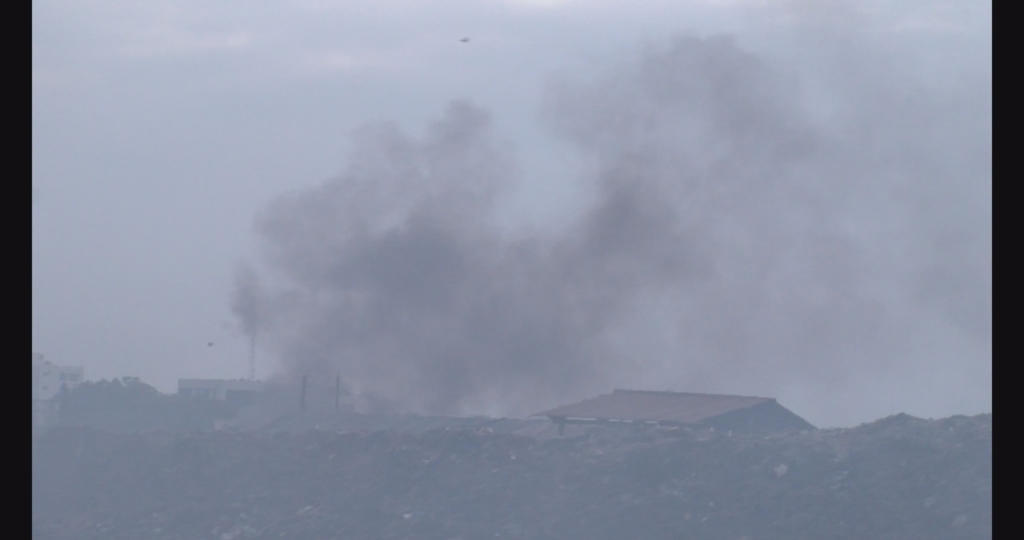
He also cautioned that inhaling smoke from open burning allows toxic particles to enter the bloodstream through the lungs, further affecting organs responsible for blood sugar regulation.
Dr. Owusu is advising parents to carefully monitor the food their children consume, encourage regular physical activity, and rely on products approved by the Food and Drugs Authority to reduce exposure to contaminated items.
The warning highlights the urgent need for public awareness and stronger enforcement against illegal mining and environmental pollution to protect the health of children and future generations.
Latest Stories
-
The 7-foot giant of Ngleshie Amanfro: Seven-foot Ghanaian Ephraim Saawa dreams of joining the national basketball team
19 minutes -
Government promises support for Kumasi Central Market fire victims
25 minutes -
Vibes The Movie: Big Ghun’s Ghanaian film earns five nominations at 2026 REFFA
56 minutes -
MamaCare CEO warns unresolved conflicts among health workers could undermine maternal and neonatal care
1 hour -
Health professionals urged to translate medical knowledge into practice to save mothers
1 hour -
Conflicts among care providers linked to maternal, neonatal deaths – Expert
3 hours -
GIS marks 10th TIME conference, champions improved teaching practices
3 hours -
BRICS Or Balance? What Ghana’s bid really means
4 hours -
GPRTU wants full TRAFFITECH-GH implementation to start in 2027
4 hours -
Mahama announces plans to import electric wheelchairs for PWDs
4 hours -
KGL U17 Colts 2026: Western beat Prempeh Elite Academy to set up final final with Greater Accra Region
4 hours -
Late Solanke strike salvages 10-man Spurs draw at Man United
4 hours -
Gender Ministry to monitor welfare of Nana Akua Addo’s children amid domestic violence case
5 hours -
Benedict Okyere Yeboah: Ghana’s football problem goes beyond sacking a coach
5 hours -
GPL 2026/27: Darkwah Wiafe’s winner sees All Blacks beat Kotoko
5 hours