

Audio By Carbonatix
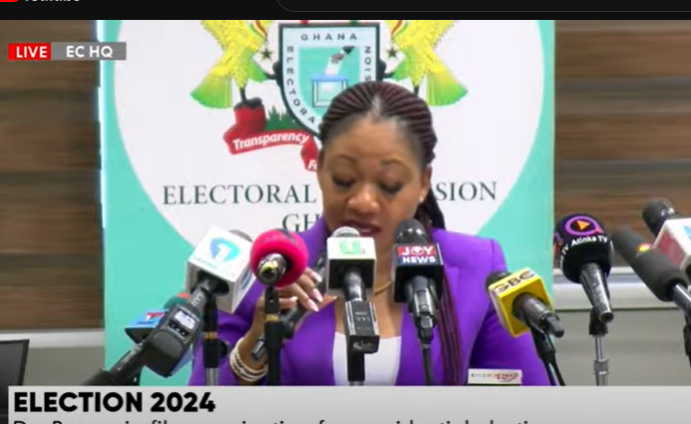
The Chairperson of the Electoral Commission (EC), Jean Mensa, has proposed the adoption of a "simplified" e-voting system to address the problem of invalid or rejected ballots in Africa.
She suggested the use of a direct recording device that would allow voters to select their preferred candidate or party logo on a screen, instead of the traditional thumb-printing method.
Speaking at the Ninth Annual Continental Forum for Electoral Management Bodies in Accra on Wednesday, Madam Mensa expressed concern over the increasing rate of rejected ballots, noting it could influence election outcomes.
She said election management bodies must examine the complex factors leading to invalid votes and find solutions.
“In the ever-evolving era of technology, it is about time that we as a continent begin to consider more effective and efficient mechanisms for voters to cast their ballots,” she stated.
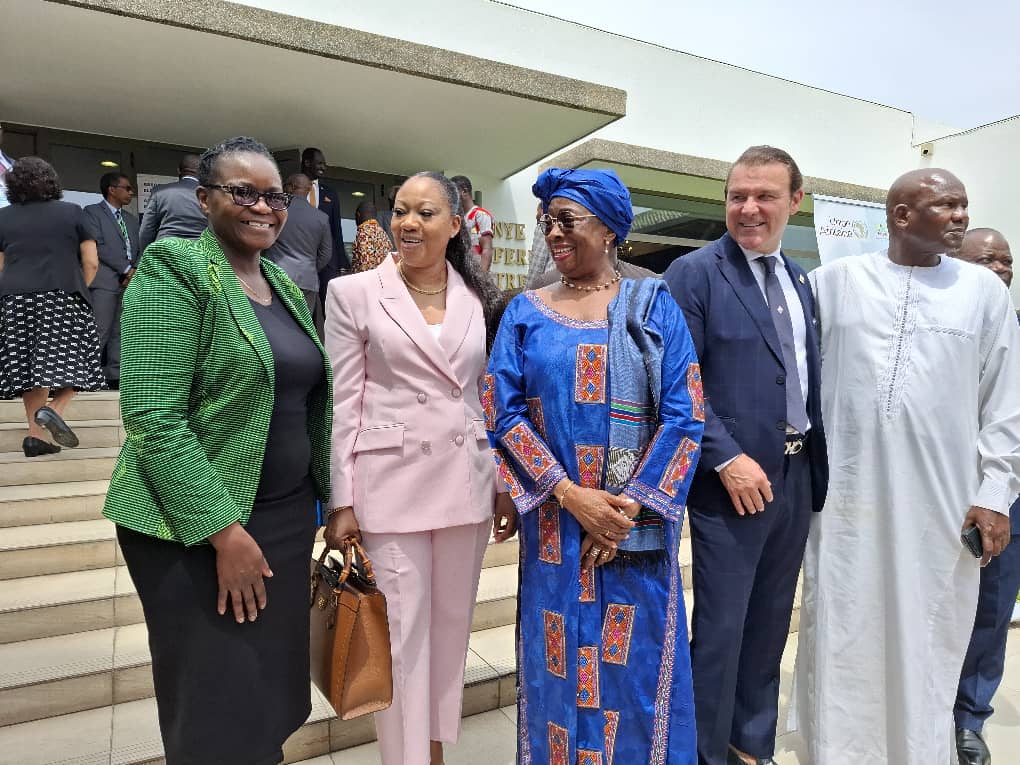
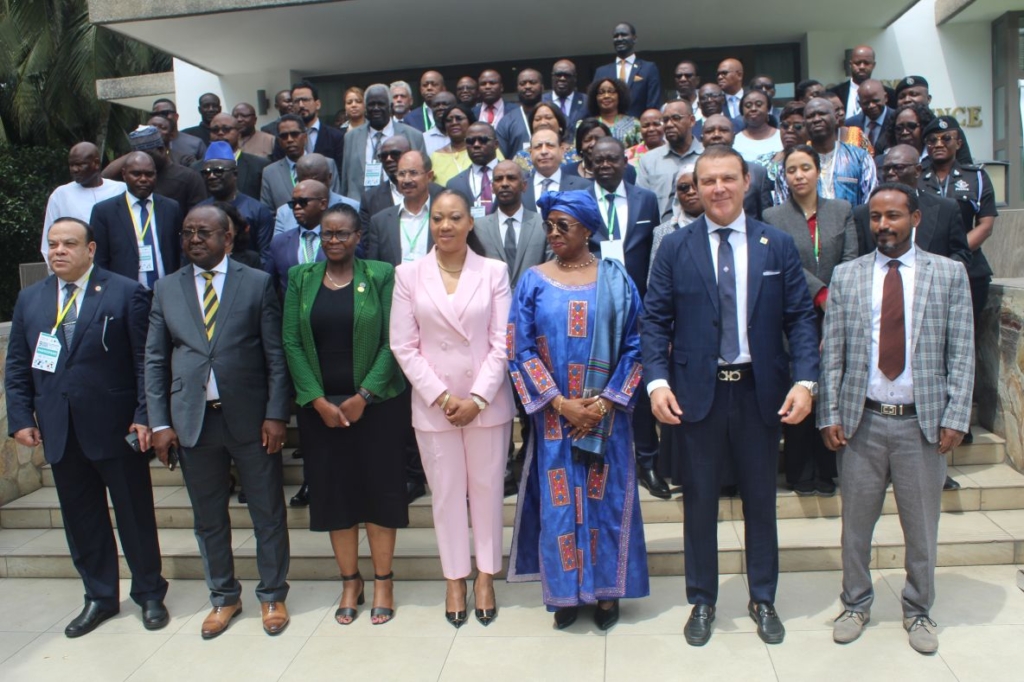
More than 40 representatives from electoral management bodies across Africa are attending the two-day Forum hosted by Ghana’s EC in Accra.
The Forum, organised by the African Union in collaboration with the Association of African Election Authorities, focuses on the theme: "All votes count: addressing the problem of invalid or rejected ballots in Africa."
During the Forum, the heads of the participating bodies will share ideas to enhance the integrity of electoral processes and build public trust in the systems.
Mrs. Mensa revealed that discussions on adopting e-voting technology in Ghana had started but emphasized that the process “will not be rushed.”
She added that the Forum would explore global best practices and systems to reduce rejected ballots, alongside public sensitization and training for electoral officers.
The former Chief Justice and Member of the Council of State, Madam Sophia Akuffo, warned that the rising rate of rejected ballots posed a threat to Africa’s democracy.
She urged governments, electoral bodies, and stakeholders to renew efforts to preserve public trust in the electoral process, saying,
“The democratic process of elections on our continent is at risk of being undermined by the increasing number of invalid or rejected ballots,” she said.
The Founder and Executive Director of the European Centre for Electoral Support, Fabio Bargiacchi, called on African election management bodies to collaborate and share experiences to strengthen public trust in democratic institutions.
Data from the EC shows that between 1992 and 2020, one to three per cent of votes in Ghana’s national elections were rejected.
In the 2020 General Election, 2.33 per cent of ballots were rejected, and this dropped to 2.08 per cent in the 2024 General Election.
An audit by the EC on the 2020 rejected ballots identified high voter illiteracy, voter dissatisfaction with candidates, and excessive caution by electoral officers as key factors contributing to the issue.
Latest Stories
-
Chairman Wontumi challenges ‘no case’ ruling, seeks stay of trial
12 minutes -
Herdsman shot dead by masked gunmen near Wellembelle
23 minutes -
Committee for Public Accountability demands disclosure of McDan Aviation terminal takeover
48 minutes -
Every team is beatable – Otto Addo ahead of Austria clash
1 hour -
French court hands Islam scholar Tariq Ramadan 18-year jail term for rape
1 hour -
Understanding Autism: Empowering children with different abilities in Ghana
1 hour -
Army commander convicted of Guinea stadium massacre dies in prison
1 hour -
Rescuers attempt to save stranded humpback whale off German coast
1 hour -
Three escape unhurt as diesel truck overturns in Oti Region
1 hour -
Empowering the next generation: ‘Roll up your sleeve 26’ inspires students to dream big and act now
1 hour -
GCB Bank strengthens market leadership with record GH¢3.2bn profit in 2025
1 hour -
GAMI students explore Ghana’s heritage with educational tour to Aburi Botanical Gardens
1 hour -
ShEquity trains 15 Ghanaian SMEs to tap into carbon market opportunities
2 hours -
‘Being the President’s brother shouldn’t stop Ghanaian ownership’ – Agyeman-Duah on Damang mine
2 hours -
Fire breaks out at rubber recycling facility in Afienya
2 hours