

Audio By Carbonatix
With an abundance of gold and other natural resources in the country, the emphasis on responsible mining practices is taking centre stage in Ghana.
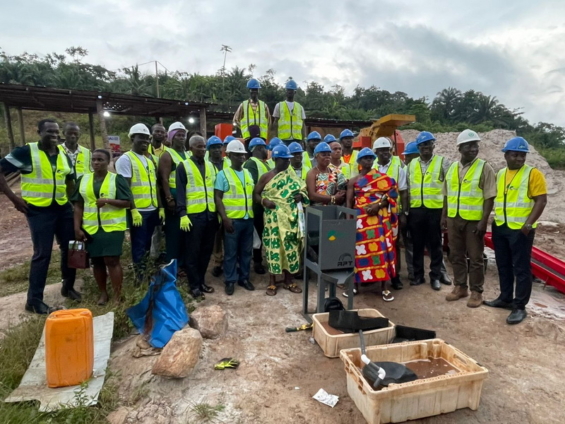
Small-scale miners are being urged to adopt the mercury-free rock processing technology, known as GoldKacha, to mitigate the negative environmental impacts associated with traditional mining methods.
The call comes as illegal mining activities have begun to take a toll on the environment, posing risks to both citizens and ecosystems.
The GoldKacha technology, introduced and endorsed by the Ghanaian government, stands as a secure solution to environmental degradation caused by illegal miners.
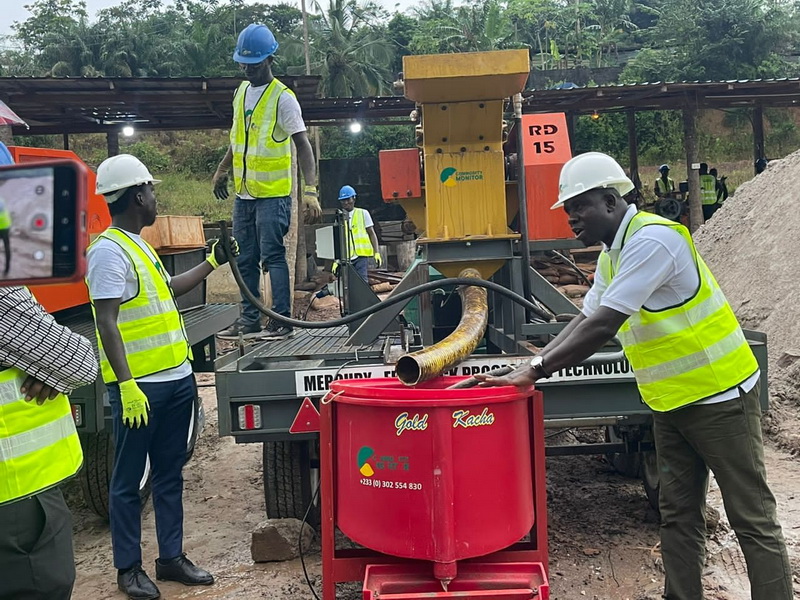
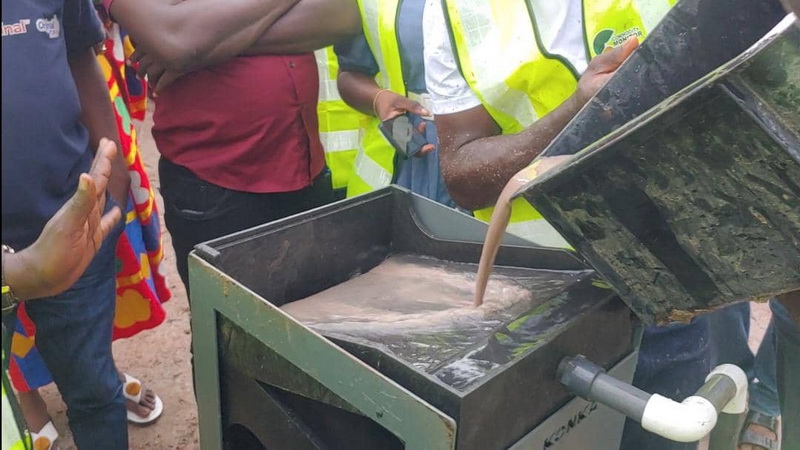
Mr Joseph Bonzoh demonstrating the use of the mercury free machine
Launched by President Nana Addo Dankwa Akufo-Addo last year, the mercury-free mining equipment, developed by Commodity Monitor Limited, a Ghanaian commodity trading logistics and research company, has proven to be both viable and environmentally friendly.
Speaking at a stakeholders' workshop in Tarkwa, the Chief Executive Officer of the Commodity Monitor Limited, Stephen Yeboah, emphasized the positive impact of GoldKacha on responsible small-scale mining.
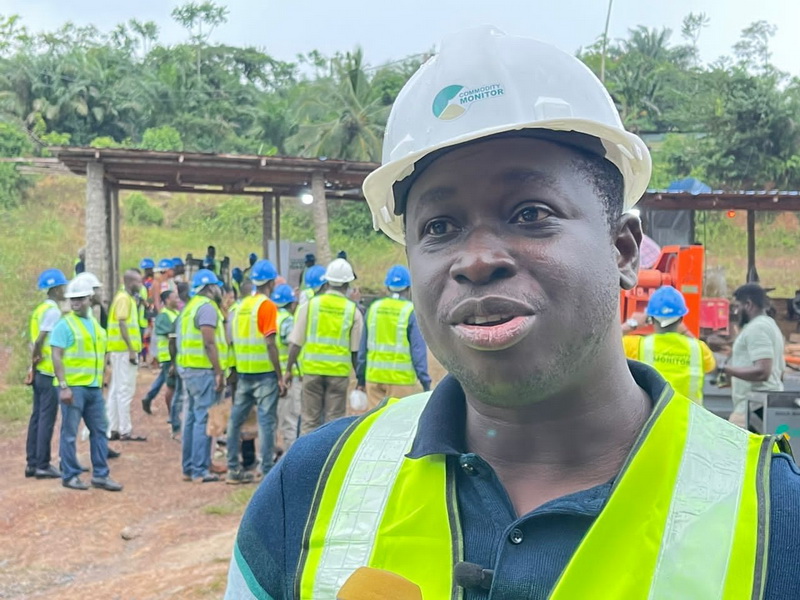
Stephen Yeboah
The focus
The workshop was organized for artisanal small-scale miners (ASM) as critical stakeholder across all mining districts to facilitate a multi-sectorial and interdisciplinary discourse, dialogue and sharing of ideas.
It was to share experiences on how existing and new technologies, innovations could be leveraged to formalize and sanitize the artisanal and small-scale mining sector in a way that satisfies responsible mining principles and practices.
The interactions focused on how the artisanal mining operators can be provided with the necessary financial and technical assistance to adopt efficient and clean mining technologies that will not only improve gold productivity but also minimize or at best eradicate the negative environmental impact of their activities.
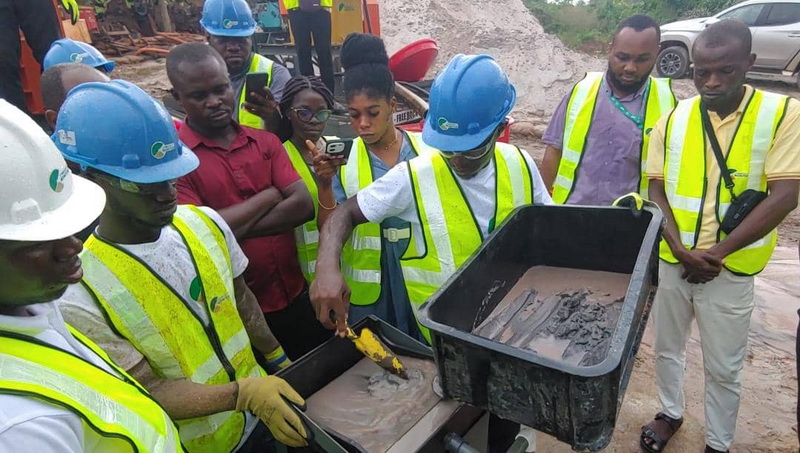
The participants discussed the health impact of chemicals used in gold recovery, the efficiency of mercury-free gold processing technology, and its functions and addressing the negative environmental as well as health effects of small-scale mining operations across the country.
Mr. Yeboah highlighted the unprecedented environmental and social problems caused by some small-scale and illegal miners, leading to soil degradation and the destruction of cocoa and other arable farms.
The pollution of rivers and water bodies, essential sources of drinking water, due to the uncontrolled use of mercury, cyanide, and other chemicals, prompted the introduction of GoldKacha as a solution.
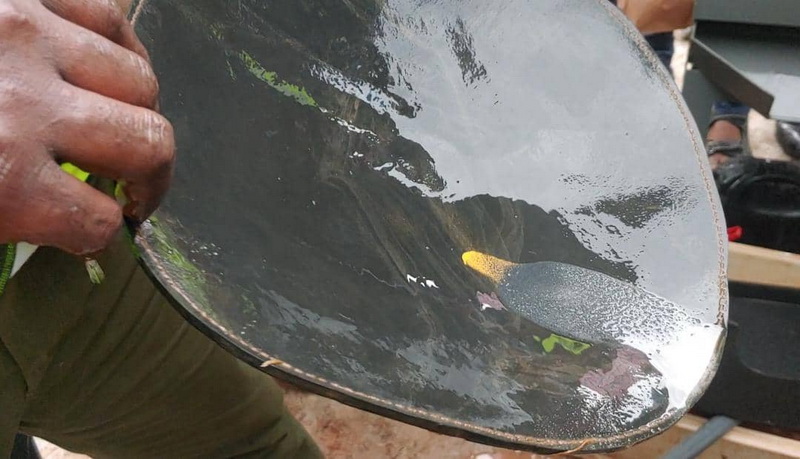
The mercury-free machine has the capacity to recover a minimum of 90 percent of gold gravity recoverable without the use of harmful chemicals, in contrast to traditional methods recovering less than 20 percent of the ore content.
Ghana, as a signatory to the Minamata Convention aimed at eliminating mercury use in mining, sees GoldKacha as a critical tool for implementing the convention's principles.
Mr. Yeboah emphasised the importance of prioritizing human health, stating that the mercury-free technology is crucial for safeguarding the environment, project all and well-being of individuals who might be exposed to contaminated environments.
The gold mining sector has long been a major contributor to Ghana's economy, remaining the highest export earner with US$6.6 billion in export earnings in 2022.
The artisanal and small-scale gold mining (ASGM) sector's contributions to the national gold production have steadily increased from 2.2 percent to 43 percent between 1989 and 2021.
Prof. Paul Poku Sampane Osei, Head of Forensic Unit at the Kwame Nkrumah University of Science and Technology (KNUST), stressed the harmful effects of using mercury, uranium, and cyanide in gold extraction.
These toxic chemicals pose serious health risks, including damage to the liver, kidney, maternal health, cancer, and malformation in unborn children.
He urged miners to embrace mercury-free technology and mine responsibly, emphasizing the need for collective efforts to raise awareness about the health effects of toxic chemicals. Municipal Chief Executive Officer at Tarkwa Nsuaem, Benjamin Kessie, echoed the importance of exploring improved technology for sustainable and responsible mining practices, emphasizing its potential as a game-changer in the field.
Latest Stories
-
Trump seeks $152m to reopen notorious Alcatraz prison
17 minutes -
Ex-Chelsea player Oscar retires with heart issue
26 minutes -
CA Foundation drives constitutional literacy in Kpone Katamanso municipality
31 minutes -
GPRTU to hold talks with Transport Ministry over rising fuel costs
33 minutes -
CUTS International urges gov’t to halt sachet water price hike pending cost review
39 minutes -
Chief Justice: Efficient Judiciary essential to reducing business costs
42 minutes -
Bayern grabs 99th-minute winner to cap superb fightback
42 minutes -
Ahmed Ibrahim urges Ghanaians to reflect Easter values in nation-building
46 minutes -
ECG inefficiencies undermining power supply -Mahama outlines reforms
47 minutes -
Lewandowski scores as Barca fight back to defeat Atletico
49 minutes -
Lack of private sector consultation undermining economic growth – Jerry Ahmed Shaib
52 minutes -
Real Madrid seven points adrift after Muriqi’s late Mallorca winner
53 minutes -
Ghana must lead AfCFTA implementation by example – Trade Minister Ofosu-Adjare
57 minutes -
Strong Judiciary key to business confidence – Chief Justice Baffoe-Bonnie
1 hour -
Mahama announces 60-Hectare irrigation project to boost tomato production
1 hour