

Audio By Carbonatix
The Fair Wages and Salaries Commission (FWSC) recently held a breast cancer awareness seminar for its staff as part of its wellness program and commitment to promoting a healthy workforce.
The seminar, held at the Commission’s headquarters, brought together health experts from the Ghana Atomic Energy Commission (GAEC) and the Korle-Bu Teaching Hospital to educate staff on the importance of early detection, prevention, and management of breast cancer.
In her opening remarks, the FWSC Director of Performance Management, Dr. Baaba Anquandah, emphasised the Commission’s dedication to the well-being of its staff.
“We recognize that a healthy workforce is essential to our productivity and effectiveness. Today’s seminar is a testament to our commitment to promoting health awareness and supporting our staff in their overall wellness journey.”
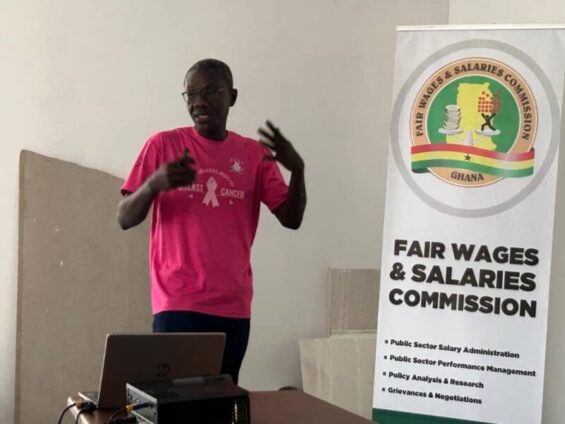
A Principal Scientist at GAEC, Dr. Adolf Kofi Awua, delivered a comprehensive presentation on breast cancer, highlighting risk factors, symptoms, and treatment options.
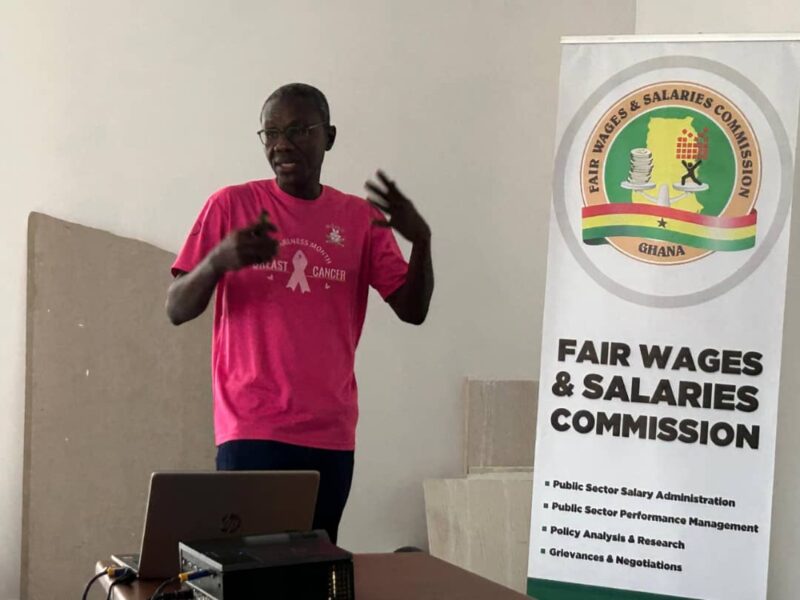
The Resident Radiologist at Korle-Bu Teaching Hospital, Dr. Afua Amoa-Mensah, stressed the importance of regular breast self-examinations, clinical breast examinations, and screenings.
“Early detection is key to surviving breast cancer,” Dr. Amoa-Mensah emphasised. “We urge all women, particularly those aged 40 and above, to undergo annual mammography screenings and clinical breast examinations.”
Addressing prostate cancer, a Senior Medical Physicist at GAEC, Dr. Issahaku Shirazu, highlighted the importance of regular prostate cancer screenings, citing the rising cases among Ghanaian men.
“Early detection is crucial for effective treatment,” he said.
The seminar included a question-and-answer session, where staff asked insightful questions and shared personal experiences.
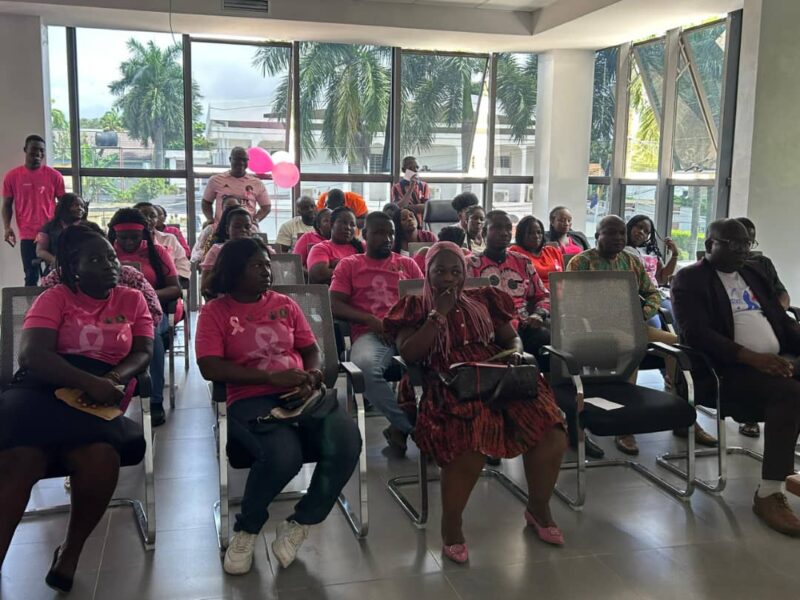
To further demonstrate its commitment, the medical team offered breast screenings and counseling services for staff.
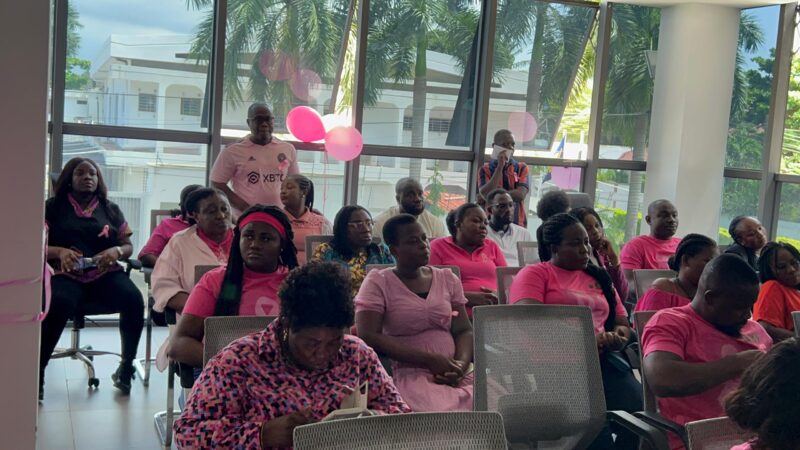
The breast cancer awareness seminar was well-received by staff, who expressed gratitude for the Commission’s investment in their health and well-being.
Esther Odei Opong from the FWSC Procurement Unit shared that she learned about the importance of lifestyle choices.
“It is important to take control of our health by limiting alcohol consumption, eating whole foods, exercising regularly, and knowing our family history to reduce breast cancer risk and enhance overall well-being.”
Another officer in FWSC’s Accounts Department, Isaac Entsua Mensah, expressed appreciation for the experts’ efforts to debunk common myths about prostate cancer, noting that frequent sex does not prevent prostate cancer. Instead, he highlighted the importance of proven prevention methods such as healthy diets, exercise, and regular check-ups.
Latest Stories
-
Iran war lands ‘triple blow’ to flood-ravaged Sri Lankans
29 minutes -
Gunmen kill at least 11 people at Afghanistan picnic spot
43 minutes -
Woman, 25, in court for stealing baby at Bogoso
44 minutes -
Trump unveils giant gold-accented victory arch design for US capital
47 minutes -
We spoke to the man making viral Lego-style AI videos for Iran. Experts say it’s powerful propaganda
52 minutes -
Hungarians vote in big numbers on whether to end Orbán rule and elect rival
52 minutes -
At least 30 feared dead in crush at Haitian tourist site
53 minutes -
Boxing: Abdul Ahmed wins WBA Africa Cruiserwight title after dispatching Nigeria’s Eradeye
1 hour -
Nearly 2,000 displaced, schools damaged as windstorm wreaks havoc in Gushegu
1 hour -
Ghana’s Derrick Kohn to work under Marie-Louise Eta as she becomes first woman to coach men’s Bundesliga team
1 hour -
Accra Open Championships conclude with strong performances ahead of African Championships
2 hours -
Ghana to begin camping with 12 athletes after Accra Open Championships – Bawa Fuseni
2 hours -
Anthony Joshua declines showdown with Tyson Fury but admits they ‘probably’ clash next
2 hours -
Tyson Fury dominates Makhmudov, calls out Joshua next
3 hours -
I have supported highway authority financially to fix roads in my constituency – A Plus
4 hours