

Audio By Carbonatix
The Bank of Ghana (BoG) is appealing to commercial banks to cut lending rates since the county's macro economy such as inflation continues to improve in performance.
According to the Second Deputy Governor of the Bank, Elsie Addo Awadzi, inflation has dropped consistently since the beginning of the year to 41.2%, showing signs of improvement in the economy.
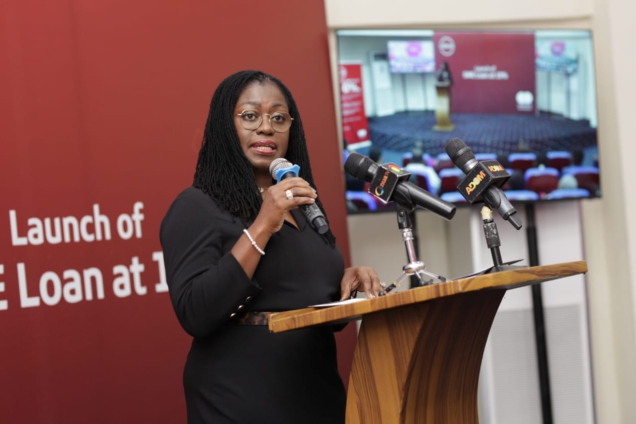
The Deputy Governor was speaking at the launch of a collaboration between Absa Bank and Mastercard Foundation to provide loans to small-scale businesses at 10%.
She, therefore, encouraged the banks to lend more to the private sector to support growth as the sector has become more liquid and capable of withstanding the storm of economic challenges.
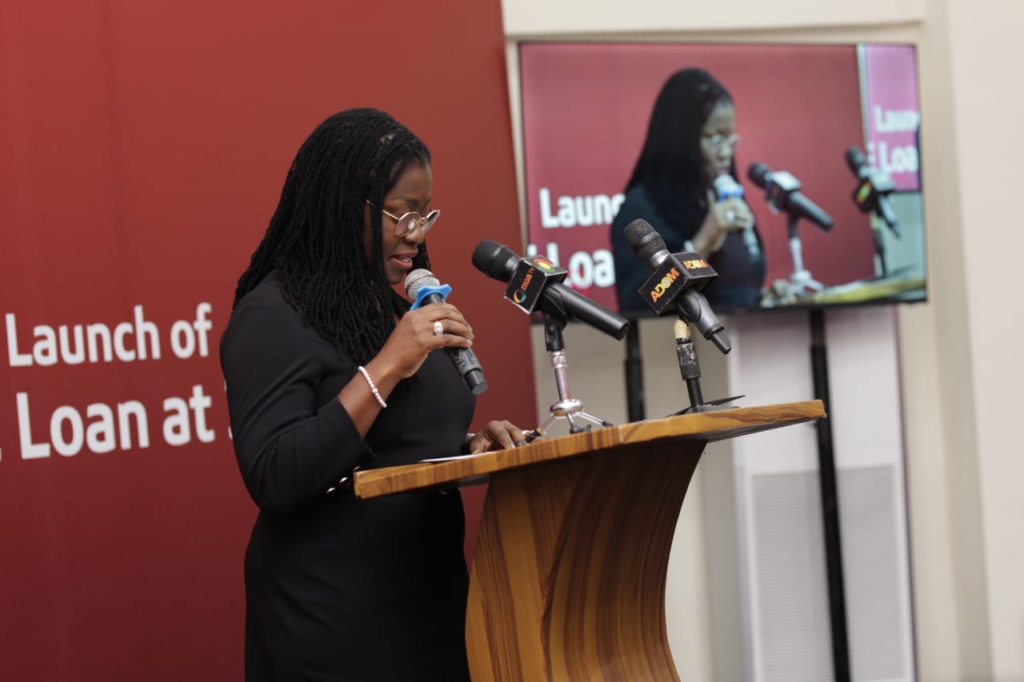
"As the economy picks up and there is a signal of improvement in the macro economy, we expect things to get better. Moments ago before I got here, inflation has dropped to 41.2% for April [2023], from the about 50% some months ago”.
“We as a regulator and at the Monetary Policy Committee project that things will improve. The inflation rate will drop further and lending rates will come down. I, therefore, encouraged you all as banks to emulate Absa Bank and bring the lending rates down further”, she pointed out.

Furthermore, she said the Small and Micro Enterprises are the backbone of the economy “and especially with the Africa Continental Free Trade Agreement onboard, I want to see more lending to the sector at lower rates so that these Ghanaian businesses can be very competitive”.
Country Manager for Mastercard Foundation, Rossy Fynn used the occasion to announce plans by the foundation to introduce innovative products to support small businesses especially those on sustainable and green initiatives.
Managing Director for Absa Bank, Abena Osei Opoku assured that the bank will remain the best choice for SME lending.
She also indicated that the plan for the SME loan at 10% is to reach out to more than 5,000 small businesses and make them investor ready.
The Absa SME loan is a low rate special offer at 10% for women-owned businesses and SMEs.
Latest Stories
-
There is no fight against galamsey under NDC – Baffour Awuah
6 minutes -
CIMAG welcomes Ghana’s exit from IMF programme, predicts growth for maritime sector
10 minutes -
GIPC urges Ethiopian investors to leverage Ghana as West African business hub
11 minutes -
BoG assures of adequate reserves to meet rising forex demand; describes current pressure on cedi as temporary
15 minutes -
NDC used anti-LGBTQ bill as a tool to secure power -Baffour Awuah
19 minutes -
Starmer ‘appalled’ by case of boys spared jail after raping teenage girls
21 minutes -
Ghana Association of Radiologists calls for investment in modern diagnostic infrastructure
32 minutes -
Regulating tomorrow’s Ghana today: A case for getting the NITA Bill right
33 minutes -
Accident at Kpeve kills 3, several others injured
34 minutes -
Deal with US not imminent, Iran says
35 minutes -
Commitment to pass anti-LGBTQ+ Bill by NDC is absent — Baffour Awuah
36 minutes -
Anger grows after China’s deadliest coal mining disaster in years
38 minutes -
First Hong Kong astronaut launches into space onboard Chinese mission
39 minutes -
EasyJet flight diverts to Rome over power bank in luggage
41 minutes -
ShEquity unveils final 10 SMEs for its gender-smart climate technical assistance facility
44 minutes