

Audio By Carbonatix
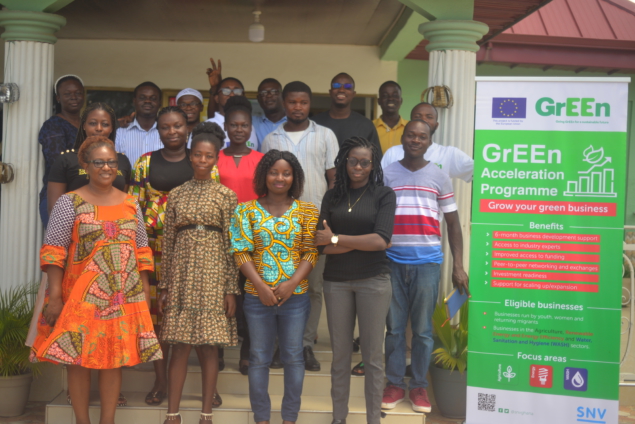
Start-ups in the Ashanti region owned solely by women have begun a six-month business incubation programme organized by the Recycle Up! Ghana.
The training is to equip the participating start-ups with relevant business development skills and also provide financial support and investment exposure to their businesses.
Required conditions for setting up a business in Ghana have thrown many young entrepreneurs out of business.
Many start-ups in the country are confronted with numerous challenges to sustainably thrive, including financial support.
Rita Krampaah, a corporate trainer, attributes the seeming non-feasibility of these businesses to some entrenched regulations imposed on start-ups in Ghana.
She says the prerequisites including a residence permit and business advice by these start-ups are elusive.
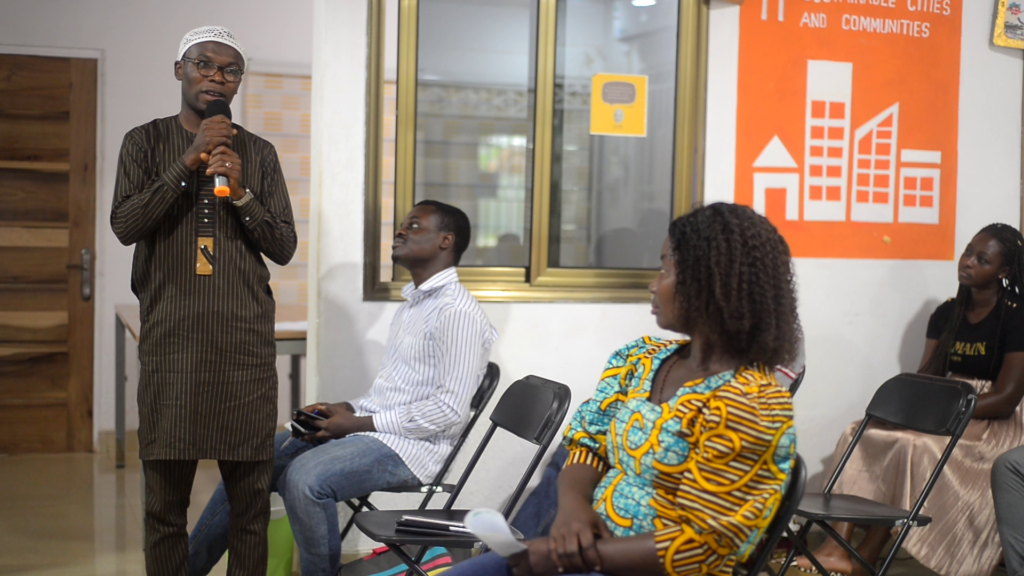
“The rules and regulations in the system are not flexible for entrepreneurs to thrive. You need to be paying taxes, the support, capital and even the space. If these things are available, many people will go into entrepreneurship,” she said.
Emmanuella Appiah, who started her entrepreneurial journey a few years ago, says she is challenged with the wherewithal to survive the economic situation in Ghana.
Her outfit is into recycling plastic wastes into eco-friendly materials for construction works.
“Getting suppliers have been a major problem now. Money for the technical tools to thrive the business has not been easy,” she said.
Recycle Up! Ghana, a business incubator, has been organising business development training for start-ups in Ghana over the years.
The six-month training focuses on businesses in the waste, agriculture, sanitation and hygiene, and renewable energy sectors.
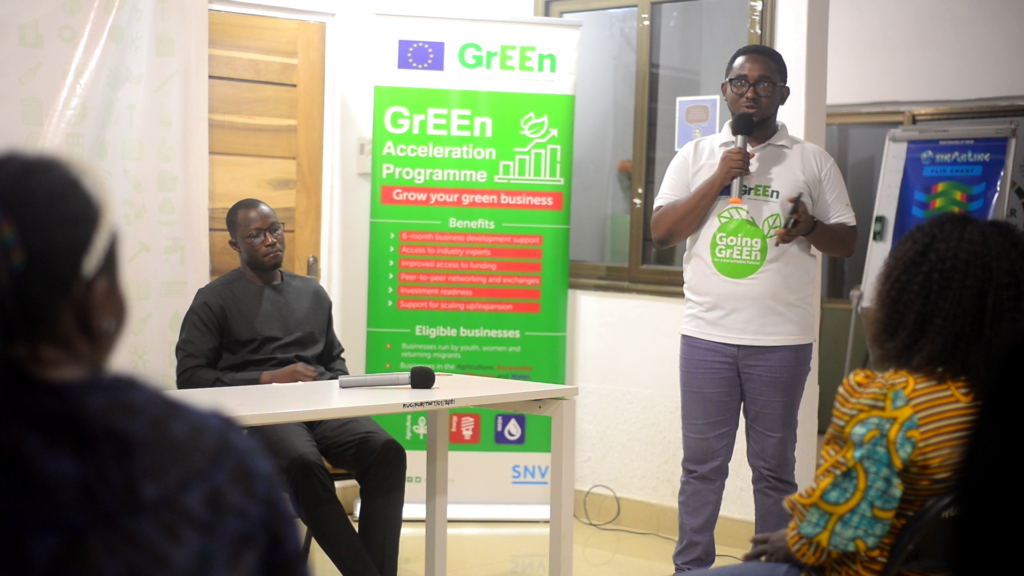
Project Lead, Obinkyere Acquah, explains the training sessions will equip the all-female participating start-ups to scale up.
“They will go through a six month phase of incubation, containing mentorship, business development, afterwards we’ll help them with GrEEn support and access to market and finance.
"We’ll also help these businesses to scale-up and support them obtain their legal accreditations,” he said.
So far, 12 small and medium-scale enterprises in the Ashanti region have undergone the training under two different cohorts.
The incubating start-ups are anticipating a life-changing six-month programme.
“After this incubation period, I’m expecting to get a lot of capacity building, market linkage, network and financial support,” Founder of Archi Pee, Priscilla Nkrumah, said.
Latest Stories
-
Children’s health and happiness take centre stage at 2026 Giggle Fun Fest in Peki Avetile
4 minutes -
Four dead, 14 injured in Dawadawa Highway crash
2 hours -
Ga Mantse, Spanish Ambassador discuss Hola Accra Music Festival
2 hours -
President Mahama reflects on the birth of Kwahu Business Forum at 2026 event
2 hours -
How Dr. Joseph Bonney’s ‘No Bed Syndrome’ moved from Ghana hospitals to global use
2 hours -
President Mahama emphasises need for stable and predictable cedis
3 hours -
Deliver quality or be penalised, GETFund Administrator cautions contractors
3 hours -
President Mahama urges Ghanaian businesses to prioritise tax compliance and succession planning
3 hours -
Invest in start-ups and explore mergers – President Mahama urges Ghanaian businesses
3 hours -
Mahama confirms progress on 24-Hour Economy initiative at Kwahu Business Forum
4 hours -
Parliament passes Ghana Investment Promotion Authority (GIPA) Bill
4 hours -
New airport infrastructure tax – a costly own goal that ground Ghana’s aviation ambitions
4 hours -
Sachet water price increase: Why Ghana urgently needs a competition law to address price fixing and cartel conduct
4 hours -
Ex-President Akufo-Addo visits President Mahama in Kwahu during Easter festivities
4 hours -
There is no imminent fuel shortage – President Mahama assures Ghanaians amid Iran conflict
4 hours