

Audio By Carbonatix
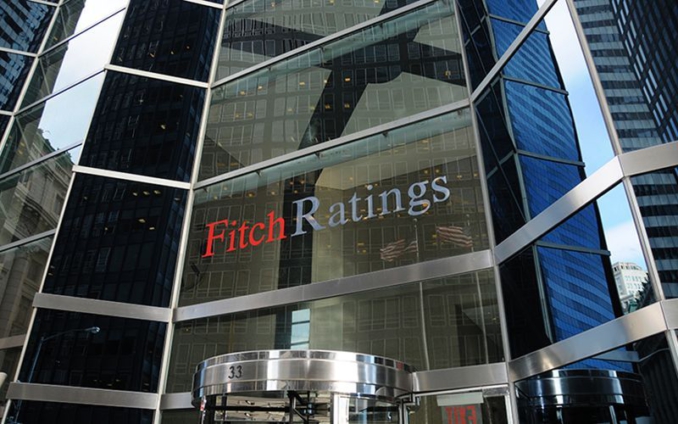
International ratings agency, Fitch is forecasting a fiscal deficit to Gross Domestic Product of 10.5% for Ghana in 2020.
This will be more than twice the 2019 commitment basis deficit of 4.7 percent.
The government had brought the commitment basis deficit to below 5.0% in 2017-2019, following the 2016 election-year blowout.
The ratings agency said cash deficits remained high as the government paid down domestic arrears and realised the cost of contingent liabilities in the banking and energy sectors.
The cost of bank recapitalisation added an estimated GHS18 billion (5.5% of 2020 GDP) to cash deficits over 2018-2020.
Clearing arrears in the energy sector also added 1.6% of GDP to the 2019 deficit and Fitch assumed it will add an additional 1.0% a year through 2023.
Election spending on deficit
Fitch forecast the cash deficit to narrow to 7.1% of GDP in 2021 and to 6.0% in 2022, but a failure to consolidate following the December 2020 presidential election is a key risk to its projections.
Such risks it said were illustrated by the Mid-Year Budget Review and the 2021-2024 Budget Preparation Guide, released in August 2020. Both indicate a very gradual path to deficit reduction following 2020's fiscal expansion, but Fitch believes that only after the election will there be more clarity around the medium-term fiscal framework.
Fitch's baseline fiscal scenario assumes that the government continues to under-execute its capital budget and that most of the COVID-related expenditure is removed from the budget by 2022, while revenue returns to pre-2020 levels.
“Evidence that Ghana's post-election fiscal strategy would lead to a higher public-debt trajectory could be a source of downward pressure on the ratings. Furthermore, the election itself brings additional risk in the form of off-budget spending or the building of domestic arrears, which has led to fiscal crises in previous electoral cycles”, it said.
World Bank fiscal deficit projection
The World Bank had earlier projected a much lower fiscal deficit of 7.2% of Gross Domestic Product for Ghana this year, lesser than the government’s revised forecast of 12.2%, according to its Africa Pulse Report.
Government had earlier projected a fiscal balance of -4.4% of GDP, but covid-19 compelled it to revise the target by a wider margin.
However, recent pick-up in economic activities which is expected to bring in some needed revenue may have led to this adjustment. Nevertheless, the country’s fiscal deficit-that is the shortfall in revenue compared with spending – is expected to be second to South Africa, in Sub Saharan Africa
Latest Stories
-
One dead as train travelling 99mph collides with lorry in France
6 minutes -
Airlines cut flights and hike fares as fuel prices surge
23 minutes -
Kane inspires Bayern to first-leg advantage over Real Madrid at Bernabéu
34 minutes -
Wireless Festival cancelled after Kanye West blocked from coming to UK
42 minutes -
Wa West MP commissions five boreholes for the benefit of his constituents
42 minutes -
Havertz’s late strike hands Arsenal narrow first-leg advantage over Sporting
44 minutes -
Damang mine award: Minority not against Ghanaian participation; we’re asking for fair process – Konadu
1 hour -
NPA to enforce stricter registration rules for petroleum tankers
2 hours -
Manhyia South MP laments decline in hospitality operations in his constituency
2 hours -
How a simple clean charcoal innovation could benefit Ghana’s climate future
2 hours -
NPA, COMAC launch Safety Week 2026 to promote risk management in petroleum sector
2 hours -
Stakeholder engagement resolves onion trade impasse
2 hours -
Gender Ministry holds staff durbar, welcomes new Chief Director
2 hours -
Unexpected illness sparked my radio career – Tommy Annan-Forson
2 hours -
Bolt Ghana awards GH¢50,000 to women entrepreneurs through “She Moves to Win” campaign
2 hours