

Audio By Carbonatix
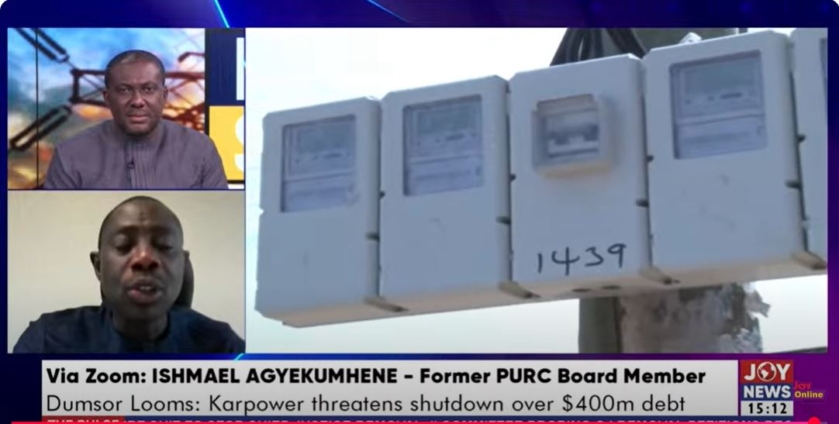
Former Board Member of the Public Utilities Regulatory Commission (PURC), Ishmael Agyekumhene, has taken a swipe at Energy Minister John Jinapor over Ghana’s deepening power crisis, urging him to take full responsibility rather than offer repeated excuses.
Speaking on JoyNews’ The Pulse on Thursday, May 15, Mr Agyekumhene criticised the Minister for failing to secure adequate liquid fuel supplies nearly four months into his tenure.
“Telling us today that we have only two and a half days of liquid fuel? I could understand if this was immediately after he took office, but he’s had enough time to make arrangements. The Minister should stop giving excuses—it’s long enough for us to have secured the liquid fuel.”
He conceded that unforeseen disruptions such as issues at the Atuabo gas processing plant may occur, but maintained that the situation reflects poor planning. “It does happen, it happened previously too, but there's no excuse when we don’t have the cash to buy fuel because we failed to plan adequately.”
His remarks follow the Minister’s disclosure to Parliament’s Energy Committee that the country has just 2.6 days’ worth of liquid fuel left to power thermal plants, with the Ministry racing against time to raise funds for fuel procurement.
But Mr Agyekumhene argued that the crisis is not just about fuel availability, but symptomatic of broader structural and financial failures in the power sector.
“The truth is, no one sells crude oil on credit. A single cargo costs about $50 million, and we don’t have the cash. Yet, if ECG were collecting money for power consumed, we wouldn’t be in this situation.”
He also called out inconsistencies in the Minister’s stance over the years.
“When he was in opposition, the Minister kept saying we had no excess capacity. Now he admits there is, but the irony is we’re not even paying for power that’s already been produced—and we still owe for idle capacity.”
Mr Agyekumhene urged the government to urgently fix revenue collection lapses and prioritise more efficient gas-based power generation over the continued reliance on expensive liquid fuels.
“Everyone managing the sector knows gas is cheaper. If there’s no gas, then at least we should have strategic reserves of liquid fuel—not just two days, but at least a month.”
Latest Stories
-
I assure Otumfuo, Mahama will join him to commission KNUST Teaching Hospital by end of this year – Haruna Iddrisu
39 minutes -
Gov’t to roll out free special education for persons with disabilities from July 1 – Education Minister
1 hour -
“We used it to test our officiating officials’ readiness” – Bawah Fuseini after CAA Athletics event
1 hour -
Volleyball emerges as Ghana’s fastest rising sport
2 hours -
National Sports Fund needs strong leadership from the top – Administrator David Wuaku
2 hours -
JoySports Exclusive: Steve McLaren in talks with GFA after expressing interest in Black Stars job
2 hours -
Fire guts auto parts warehouse at Bubuashie, one fire officer injured
2 hours -
I owe my victory to coach Ofori Asare – Allotey after winning WBA Africa Gold Super Flyweight belt
2 hours -
Church of Pentecost supports over 2,000 BECE candidates in Obuasi with career guidance seminar
4 hours -
Brandon Asante and Coventry all but promoted to Premier League despite Sheffield Wednesday draw
4 hours -
GPL 2025/26: Late Kwartemaa strike downs Hearts in Tema
4 hours -
Ghana Faces Sierra Leone Moment as Prosecutorial Powers come under strain
4 hours -
Don’t consume fish or seafood from Tema Shipyard until further notice – FDA warns
4 hours -
Why volunteering might be Africa’s most underrated career accelerator
5 hours -
ActionAid Ghana raises concern over gender gaps in Feed Ghana Programme
5 hours