

Audio By Carbonatix
Overweight and obesity are rising rapidly in Ghana, and the trend is especially concerning among women of reproductive age. While many people assume weight gain is simply about “eating too much and moving too little,” new research published by my former student (now my colleague), Maxwell Konlan (of Legon Hospital Dietherapy Unit) and his study team in Communications Medicine, a Nature journal, demonstrates that the situation is not that straightforward.
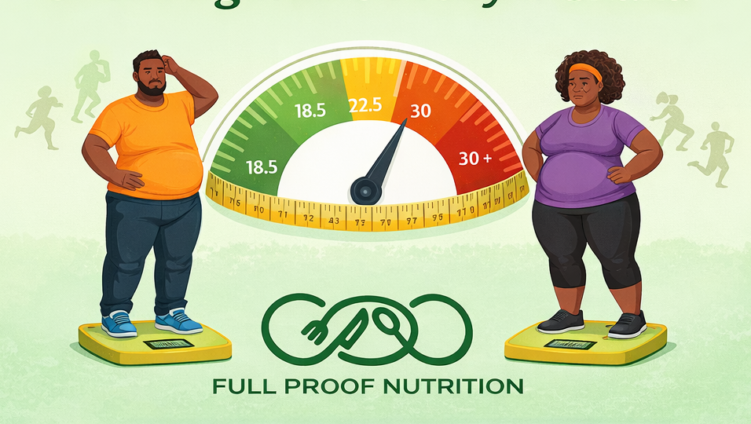
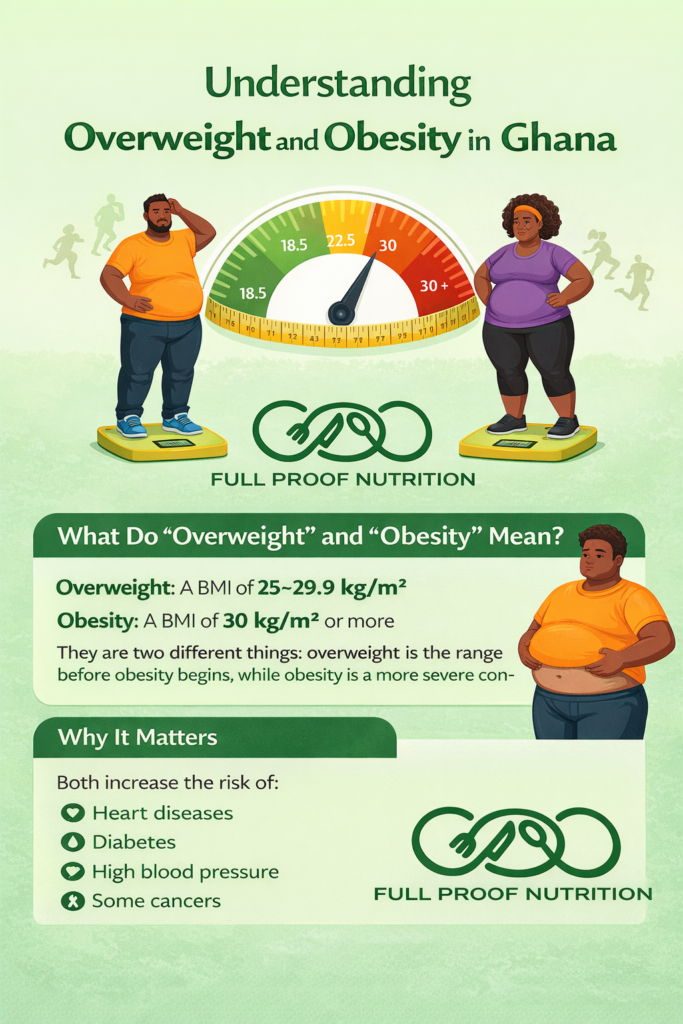
Overweight and obesity (they are 2 different things - overweight being a BMI of 25–29.9 kg/m², and obesity beginning at a BMI of 30 kg/m² or more) are classified as non-communicable diseases (NCDs) and are closely linked to many other serious health conditions that affect millions of people worldwide.
Excess weight can quietly increase the risk of life-threatening illnesses over time. Obesity, in particular, increases the risk of heart disease and stroke, type 2 diabetes, and certain cancers such as breast and colorectal cancer.
Beyond the health impacts, overweight and obesity also affect social and economic productivity. They contribute to rising healthcare costs, reduced work capacity, and a growing burden on families and health systems globally.
The research team analysed nearly two decades of national health data (from the Ghana Demographic and Health Surveys between 2003 and 2022) and found that Ghana’s rising rates of overweight and obesity are strongly linked to broader social and economic changes and not just individual behaviour. They also found that overweight and obesity among Ghanaian women aged 15–49 have increased significantly over time.
What is driving the increase?
- Wealth and economic status - Women from wealthier households were significantly more likely to be overweight or obese compared to women from poorer households. As income increases, dietary patterns often shift toward greater intake of processed and convenience foods, higher consumption of sugar-sweetened beverages, increased eating outside the home and reduced manual labour.
- Urbanisation - Living in urban areas was strongly associated with higher rates of overweight and obesity. Urban living often means greater access to ultra-processed foods, sedentary occupations, reduced physical activity and increased reliance on transport instead of walking.
- Age - Older women were more likely to be overweight and obese compared to younger women. Metabolic changes, reduced activity levels, multiple pregnancies, and long-term lifestyle patterns all contribute to gradual weight gain over time.
- Education - Interestingly, higher educational levels were also associated with increased weight in this study. In many high-income countries, higher education is linked with lower obesity rates. But in rapidly developing settings, education can correlate with more sedentary work, higher income, and lifestyle transitions.
What do these findings mean for our health today?
The study highlights that overweight and obesity are not just about personal choices, but are shaped by broader social, economic, and environmental influences.
This means that effective solutions must address both individual lifestyle behaviours and the structural conditions that shape them, including:
- Access to healthy foods
- Opportunities for physical activity
- Education and awareness on balanced nutrition
While systemic changes are essential, individual actions still matter. Small, sustainable adjustments such as choosing more unprocessed foods, increasing daily movement, and reducing sugary or highly processed options can meaningfully lower the risk of chronic diseases linked to excess weight.
Together, personal habits and supportive environments create the strongest foundation for long‑term health. Kudos, Max and team, for this great publication!
In other matters, Maxwell Konlan, my former student (now my colleague) and one of the authors of the study I have just described, runs a weight loss programme. Feel free to contact him at +233542205538 if you are interested.
-
Written by Dr Laurene Boateng (PhD, RD) Dr Laurene Boateng is a Registered Dietitian and Senior Lecturer in the Department of Dietetics, University of Ghana. She is the founder and editor-in-chief of Full Proof Nutrition, a Nutrition Consultancy committed to providing reliable, evidence-based, and practical healthy eating advice through its website www.fullproofnutrition.com. Click here to join the Full Proof Nutrition WhatsApp channel to receive more educative content. Send us a mail on fullproofnutrition@gmail.com.
Grab a copy of my book on healthy eating – available now on Selar (Buy HEALTHY EATING MADE SIMPLE by Laurene Boateng on Selar) and Amazon (https://amzn.eu/d/6i9OeVb).
Reference
Mensah, J. P., Akparibo, R., Atuobi-Yeboah, A., Anaba, E., Gray, L. A., Boadu, I., ... & Aryeetey, R. (2026). A multivariate decomposition analysis of drivers of overweight and obesity among Ghanaian women. Communications Medicine.
Latest Stories
-
Today’s front pages: Wednesday, September 30, 2026
17 minutes -
Bawumia highlights agricultural, compulsory insurance reforms in IBAG engagement
18 minutes -
Ghana will secure Tullow tax revenues while protecting Jubilee, TEN investments – Ato Forson
27 minutes -
Ghana wins $393m Tullow tax arbitration as tribunal upholds GRA assessment
31 minutes -
Gender Minister assures women’s group of action on Affirmative Action, Development Bank
1 hour -
Over 2,000 teachers in Dormaa comply with strike – GNAT Secretary
1 hour -
Food Buffer Stock seeks stronger liquidity buffer despite record profit
2 hours -
LPG investments key to achieving 50% access target by 2030 – Energy Minister
2 hours -
Jinapor: New LPG terminal strengthens Ghana’s energy security
2 hours -
Agbodza directs road agencies to fast-track design approvals to prevent project delays
2 hours -
Housing Minister urges stakeholders to prioritise quality education in Banda District
2 hours -
Government redeems pledge to complete abandoned projects – Kofi Buah
2 hours -
Sam George calls for Black Stars disbandment, GFA dissolution after Gambia defeat
2 hours -
Bunkpurugu MP urges action to curb network disruptions in Northern Ghana
2 hours -
Education Minister calls for evidence-based response to learning crisis in West Africa
2 hours