

Audio By Carbonatix
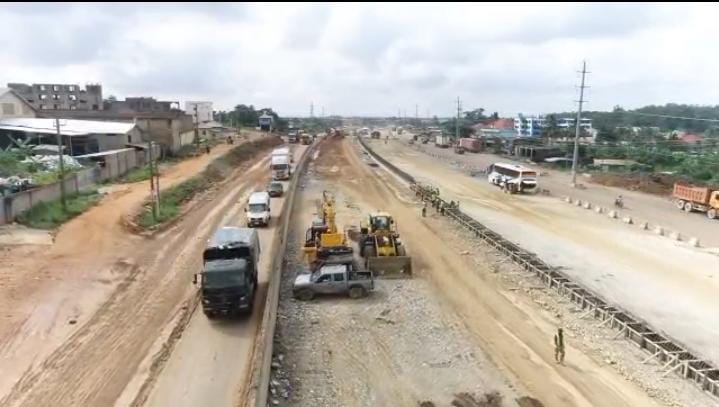
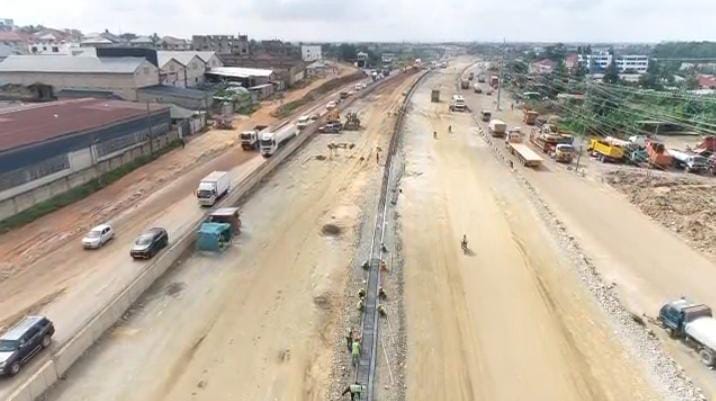
Drivers and residents along the Nsawam–Medie road are warning of a potential disaster, saying small culverts installed under the Nsawam and Medie bridges could trigger persistent flooding, even after the long-awaited road construction is completed.
“Whenever it rains, the area floods and we are left in mud because of the small culverts and poor drainage,” a concerned resident told MyJoyOnline.
The Nsawam–Medie road, a key link connecting parts of the Eastern Region, has been under extensive reconstruction, earning praise from commuters eager for a smoother ride.

But locals say the culverts currently being installed are too narrow to handle the massive volume of water that flows through the area during heavy rainfall.
“Since construction isn’t finished, they should replace these small culverts with bigger ones. If not, even after the bridge is completed, flooding will continue and undo the contractors’ hard work, creating more problems for us residents,” a driver lamented.
Recurring Floods Threaten Road and Safety
Each time it rains, overflowing water from the undersized culverts turns the surroundings muddy, slows traffic, and forces pedestrians and traders to wade through slippery, unsafe conditions. Residents fear that ignoring the problem could not only damage the newly constructed road but also increase the risk of accidents and disrupt daily commerce.
Urban planning and civil engineering experts often stress that proper drainage is as important as the road itself. Narrow culverts restrict water flow, causing upstream accumulation and eventual spillage onto the road surface—a common issue in Ghana during the rainy season. Without corrective action, this could negate the benefits of government investment in the infrastructure project.
Calls for Immediate Action
Drivers and community members are urging the government and contractors to address the culvert issue before the project is completed.
Residents insist that replacing the small culverts with larger, adequately designed structures now is the only way to ensure the road’s long-term durability and safety.
“If the government wants the road to last and prevent flooding, they must act before it’s too late,” a trader said, highlighting concerns over both economic and safety impacts.
Looking Ahead
The Nsawam–Medie stretch is vital for commuters and commercial transport alike, connecting multiple districts in the Eastern Region.
Proper drainage solutions could prevent recurrent flooding, ensure smoother traffic flow, and protect investments in infrastructure.
Residents hope authorities will heed the warning, demonstrating proactive governance that safeguards both infrastructure and lives.
Latest Stories
-
Mahama avoiding expensive jet rentals by using brother’s aircraft – Gov’t
2 hours -
All service contracts at Accra International Airport to be held to high delivery standards -Transport Minister warns
2 hours -
Frequent breakdown of presidential jet forced interim use of brother’s aircraft – Felix Ofosu Kwakye
2 hours -
Mother calls for thorough probe into daughter’s death at Adawso
2 hours -
World Bank Group MD to visit Ghana and Liberia
2 hours -
Automated Road Traffic Law set for passage by end of March
2 hours -
Ghana to use automated technology to catch traffic offenders in real-time
3 hours -
Two robbery suspects killed as police dismantle gang on Obuasi–Dunkwa highway
3 hours -
Mahama’s use of brother’s jet not permanent, it’s due to lack of reliable state aircraft – Felix Ofosu Kwakye
4 hours -
GACL terminates Fixed Base Operation agreement with McDan Aviation over persistent debt
4 hours -
‘What exactly is the problem if Mahama uses his brother’s jet?’ – Kwakye Ofosu asks critics
4 hours -
I’ll be surprised if Ghanaians think Mahama using his brother’s jet comes at no cost to the state – Asafo-Adjei
5 hours -
PassionAir announces Kumasi route disruptions, apologises to passengers
5 hours -
Police dismantle armed robbery gang on Obuasi–Dunkwa highway
5 hours -
Ghana could face security risks amid international intelligence cooperation – Bosome Freho MP warns
5 hours