

Audio By Carbonatix
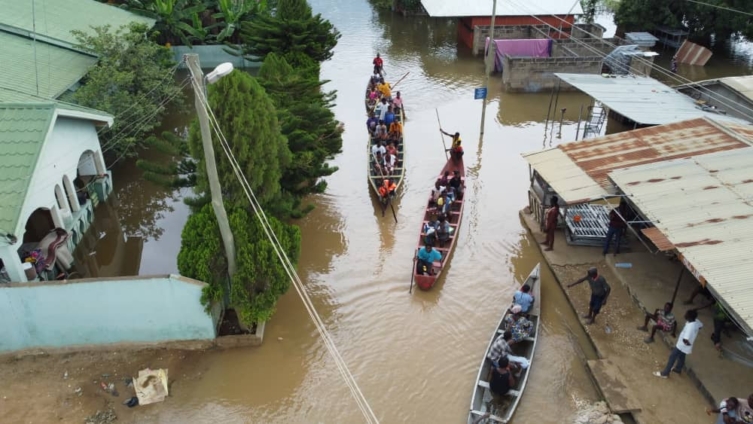
Hydrological and meteorological disasters, such as floods and storms, constituted 85 percent of the most expensive climate change-related disasters globally in 2023, as reported by the non-profit organization Christian Aid.
“The effects of climate change are increasingly obvious, not least in the increasing frequency and severity of climate-related disasters. Floods, storms, heatwaves, and droughts are all becoming more intense and climate attribution science is becoming clearer that climate change is causing these more intense disasters,” Patrick Watt, Chief Executive Officer, Christian Aid.
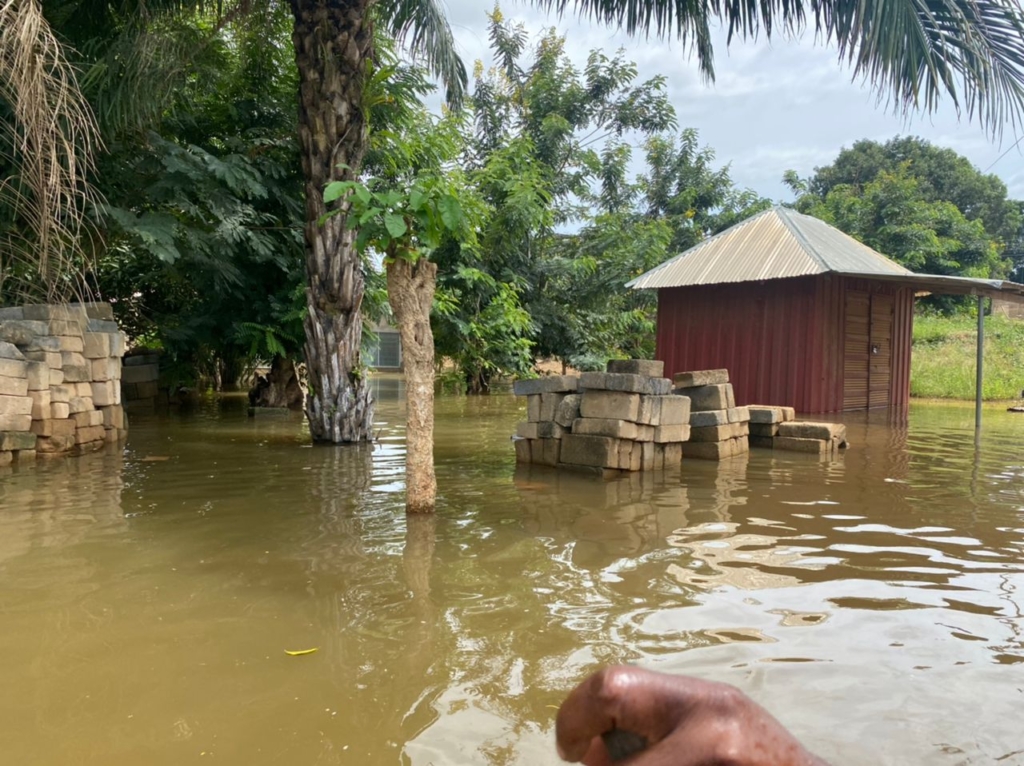
The severity of extreme disasters in 2023 was widespread and more intense, affecting 14 countries across six continents. These disasters, including wildfires, droughts, floods, and storms, were exacerbated by climate change, as highlighted in the report titled "Counting the Cost 2023: A Year of Climate Breakdown."
The economic costs of these disasters per capita were calculated by researchers, revealing stark inequalities in how extreme weather events impacted both affluent and impoverished nations.
The report employs a novel approach to offer data and analysis concerning climate-related disasters that wielded the most substantial economic influence per capita in the respective countries where they transpired.
“Our list features some disasters which generated global media coverage from Cyclone Freddy in Malawi to the wildfires in Hawaii. But other disasters, despite having broad and deep economic impacts hardly registered on news feeds,” Patrick said.
From floods in China to storms in Peru, 2023 witnessed numerous disasters with significant economic implications that garnered minimal international attention. The compilation of the top 20 disasters, spanning 14 countries, underscores that certain nations influenced by factors like size, geography, and income level, are more susceptible to economically burdensome disasters.
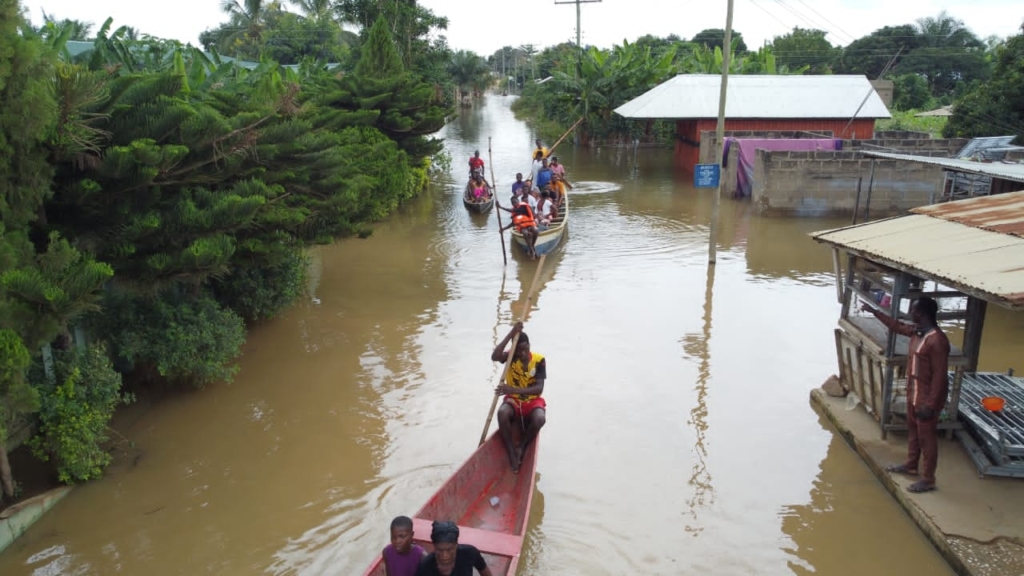
The report disclosed that wildfires in Hawaii during August incurred the highest per capita cost exceeding $4,000 per person. This surpasses the second-costliest disaster in per capita terms, which was Guam's May storms, with a cost of nearly $1,500 per head of population. Notably, even large countries with substantial populations, such as the USA, China, and Mexico, featured on the list, experiencing disasters that incurred costs in the tens of dollars per capita and billions of dollars collectively.
The top 20 list also highlights the substantial economic inequality in the impact of disasters. Wealthier nations exhibit greater readiness to confront potential extreme weather events, with the ability to invest in resilient infrastructure, acquire insurance, and rely on safety nets for recovery. In contrast, poorer countries face challenges in preparedness and resilience, lacking financial buffers that allow households to recover swiftly after a disaster.
“In the first instance, this means that more people die in disasters in poorer countries. It also means that recovery is slower, and more unequal, with many people pushed further into poverty as assets are destroyed or damaged. The fact that poorer countries, and communities contribute little to global heating makes climate-related disasters a double inequality. This is an injustice that a growing number of poorer countries, and civil society campaigners have rightly challenged.”
Patrick emphasised that given the anticipated rise in the frequency and intensity of climate disasters, governments must take immediate and decisive actions, both independently and collaboratively, to curtail global heating to 1.5 degrees Celsius. Effective adaptation is crucial, involving improved construction and infrastructure, investments in climate-resilient agriculture, and the enhancement of people's financial resilience.
He stressed the necessity of scaling up international climate finance, particularly directed at the most impoverished and climate-vulnerable nations, to address these challenges. Despite these efforts, Watt acknowledged that certain consequences of the climate crisis may surpass adaptive capacities.
“Where people face irreversible loss or damage, justice demands that those countries that have contributed most to the climate crisis and have reaped the greatest benefits from carbon-intensive industrialization, help heal the effects of climate change experienced by people living in poverty."
Latest Stories
-
I do not see myself as better than anyone – NPP’s 1st Vice Chair Kojo Bamba
26 minutes -
Police blur the line between invitations and arrests – Reindorf Twumasi Ankrah
1 hour -
Turning invitations into arrests is making citizens reluctant to assist police – Twumasi Ankrah
2 hours -
The Traffitech-GH SMS spot-fine system: The good, the sad, and the funny – Bright Simons writes
2 hours -
Hawa Koomson pledges experienced and mature leadership of NPP women’s wing
3 hours -
Young woman found dead at Kasoa Peace Town
3 hours -
Playback: The Law examined lawful arrest in Ghana
4 hours -
Mahama urges African governments to treat healthcare as an investment, not budget cost
4 hours -
Bawumia congratulates John Boadu and new NPP executives, pledges support ahead of 2028
4 hours -
Aksa Energy delegation pays courtesy call on GRA Commissioner-General
4 hours -
‘No talent should be left out’ – Bawumia pledges inclusive NPP campaign for 2028
5 hours -
Prof. Mike Oquaye recounts how he blocked the Special Prosecutor’s attempt to arrest Bawku Central MP
5 hours -
Make health sovereignty a priority for Africa – Mahama
5 hours -
Dorimon Naa, Wa West DCE lead massive clean-up exercise; threaten sanctions against recalcitrant residents
5 hours -
Photos from Adom FM Y2K Jam
5 hours