


Audio By Carbonatix
The story of Emigoh Ghana Ltd. is a familiar one: a small start-up in a home kitchen, a big idea, and a yoghurt called Yomi that found its way into thousands of stores. The next chapter, which began this week, is about scale.
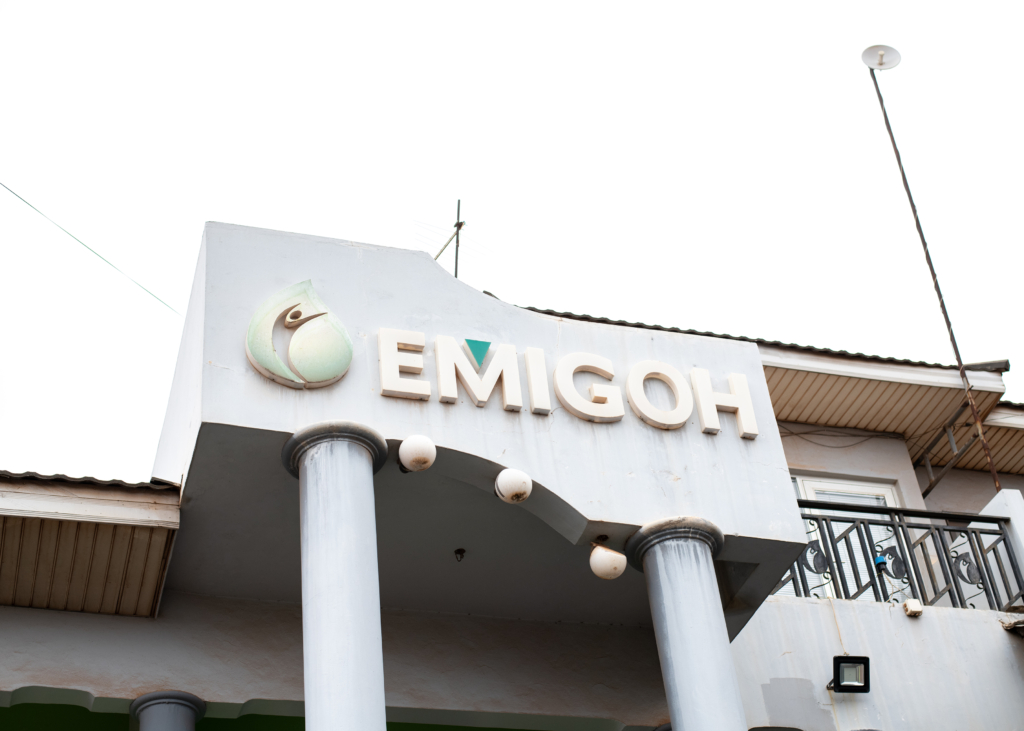
The company has opened a new manufacturing plant in Pantang, an expansion that more than triples its production capacity. This isn’t just a larger building; it’s a direct challenge to the imported brands that dominate shelves and a statement on local manufacturing capability.
The transformation is profound. From five employees in 2005, Emigoh now employs over 70 people and supplies more than 2,500 retailers. The new facility, packed with automated production lines, is the company's answer to a demand that its old operation could no longer meet.
At a launch event, the focus was less on the machinery and more on the people who built the business.
Chief Executive Officer, Stephen Eku paid tribute to his Co-founder and COO, Naadu Eku, calling her the “heartbeat of Emigoh.” He outlined a partnership that fused business strategy with food science, a combination that has so far worked.
But the question hanging over the event was simple: can a Ghanaian company truly become a regional force in a competitive market?
The management team believes the new plant is their answer. Operations Manager Sydney Dodoo framed the automation not as a replacement for people, but as a tool to create more skilled jobs. The goal, he suggested, is to elevate the local workforce to compete on an international level.
The company’s Head of Marketing, Gifty Adjei-Fianko, pointed to quality control from sourcing to production as the key differentiator. It’s a necessary claim in a market where consumers are increasingly discerning.
The immediate impact is being felt in Abokobi. The Human Resource Manager, Nana Ama Koomson, confirmed the plant is already acting as a magnet for talent, promising more job opportunities for the local community.
The launch of the Pantang plant is more than a corporate milestone. It is a case study. Emigoh is betting that a deep understanding of local taste, combined with modern manufacturing and a skilled team, can carve out a huge piece of the food and beverage sector, first in Ghana, and then beyond.
The market will now decide if that bet pays off.
Latest Stories
-
Church of Pentecost supports over 2,000 BECE candidates in Obuasi with career guidance seminar
13 minutes -
Brandon Asante and Coventry all but promoted to Premier League despite Sheffield Wednesday draw
35 minutes -
GPL 2025/26: Late Kwartemaa strike downs Hearts in Tema
41 minutes -
Ghana Faces Sierra Leone Moment as Prosecutorial Powers come under strain
51 minutes -
Don’t consume fish or seafood from Tema Shipyard until further notice – FDA warns
56 minutes -
Why volunteering might be Africa’s most underrated career accelerator
1 hour -
ActionAid Ghana raises concern over gender gaps in Feed Ghana Programme
1 hour -
Windstorm wreaks havoc in Gushegu, displacing nearly 2,000 residents and damaging schools
1 hour -
Friends of Bridget Bonnie Marks her 35th birthday with donation to Kasseh Model Health Centre
2 hours -
From Ekumfi Kokodo to the Pulpit Stage: Essi Donkor’s gospel journey takes shape
2 hours -
Landfilling waste management creates no value, it’s an economic waste
2 hours -
Photos: Speaker Bagbin Commissions MPs constituency office under parliamentary decentralisation programme
3 hours -
Black Stars technical advisor Winfried Schäfer sacked as GFA shakes up backroom staff
3 hours -
Wenchi water project almost complete, critical to gov’t agenda – GWL MD
3 hours -
Anti-LGBTQ+ bill not part of government’s legislative agenda – Inusah Fuseini
3 hours