

Audio By Carbonatix
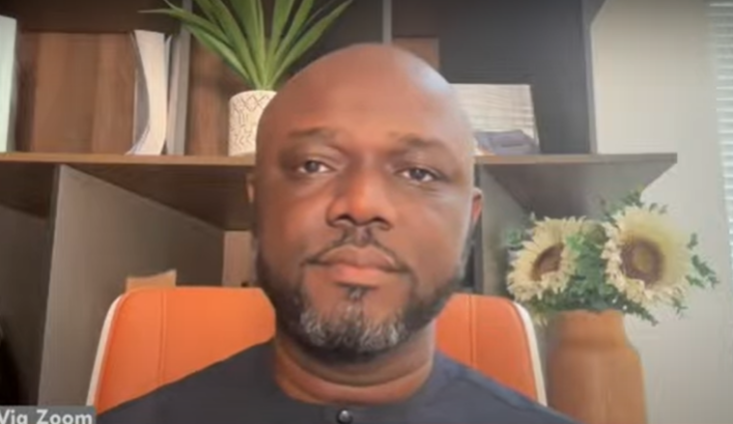
The Executive Director of the Africa Center for Energy Policy (ACEP), Benjamin Boakye, has expressed concerns about the future security of Ghana’s power sector.
Speaking at the West Africa Mining and Power Expo in Accra, Mr. Boakye highlighted the risks posed by the politicization of the sector, warning that it undermines the reliable supply of affordable power over the next five years.
He pointed to the delayed relocation of the Karpower barge to the Western Region as an example of the inefficiencies plaguing the sector.
"The relocation of Karpower to the Western Region was supposed to happen even before that ship came to Ghana. It should have docked in Takoradi, but we slept on the job, wasting almost three years before moving it there, and now we celebrate it as a success," Mr. Boakye remarked.
He emphasized that the delay reflects a broader issue of poor planning and execution in the energy sector.
Furthermore, Mr Boakye criticized the handling of gas infrastructure projects, specifically the underutilization of gas produced by ENI.
“We had ENI spending seven billion dollars to produce gas. All we needed to do was invest in compressors to reverse flow the gas through an existing pipeline. Instead, we waited until ENI completed the project and took on the reverse flow themselves. We were paying for gas on a take-or-pay basis without utilizing it, contributing to the energy sector's current problems,” he explained.
These missteps, according to Mr. Boakye, highlight the systemic issues within Ghana’s energy sector that need urgent attention.
"If anybody asks me for an assurance of where we would be five or ten years from now, based on the documents and plans we have today, I would advise you to seek out your own power and cheaper alternatives," he cautioned.
Ghana risks losing export market
Mr. Boakye, further raised concerns about Ghana’s declining reliability in the export of power export market.
“Increasingly, we are encouraging other countries to build their own solutions. It may be expensive, but when they commit to it, they don't have any choice than to depend on their own generation.”
He emphasized that Ghana's quality advantage in power supply is at risk: “The advantage Ghana had over the export market was on quality. Nigeria sells power cheaper than we do, but because we were more reliable, neighboring countries preferred power from Ghana.”
The energy expert believes that improved reliability and lower tariffs from competitors like Nigeria could erode Ghana’s market share.
Latest Stories
-
Nkyinkyim Band to headline Ghana Independence celebration in London
12 minutes -
NPP leadership has lost touch with grassroot – Dr Nyaho-Tamekloe
27 minutes -
IGP’s Team nabs drug suspects in Tamale swoop; seizes cash, narcotics
34 minutes -
NaCCA revises teacher manual, withdraws ‘gender definition’ content deemed contrary to Ghanaian values
50 minutes -
Ntim Fordjour condemns gov’t over gender definition in curriculum
1 hour -
NPP must develop thick skin for criticism – Dr Asah-Asante
1 hour -
Auditor-General raises alarm over 2,000+ weapon interceptions at airports
2 hours -
Motorists lament years of faulty traffic lights at Poku Transport Junction
2 hours -
Carabao Cup: The battle for Wembley begins
2 hours -
I’m yet to receive any official communication from NPP – Prof Frimpong-Boateng
2 hours -
FSRP, FarmMate tomato partnership yields 240 tonnes in Upper East
2 hours -
Prof Frimpong-Boateng contributed to NPP’s downfall – Haruna Mohammed
2 hours -
Joy FM’s ‘Drive Time’ listeners raise GH¢12,000 to save listener from eviction
2 hours -
AFCON 2026: Egypt eyes revenge against Senegal as host Morocco faces Nigeria test
2 hours -
Domelevo advocates for Public Office Holders Conduct Bill to curb corruption
2 hours