

Audio By Carbonatix
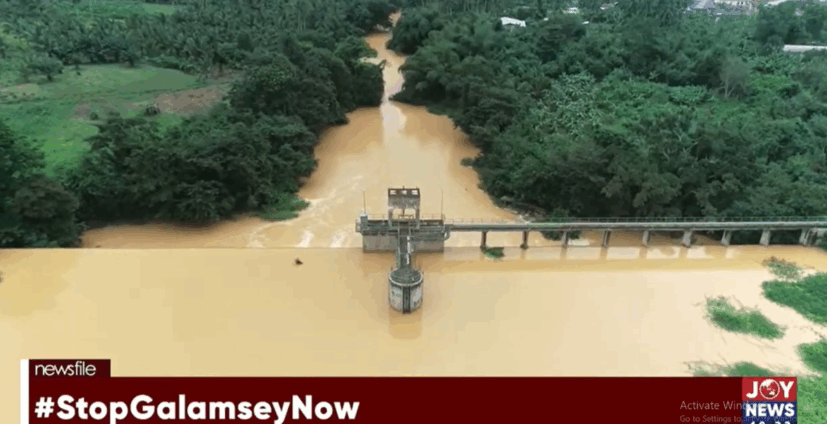
Research Scientist at CSIR and Adjunct Lecturer at the University of Mines and Technology (UMaT), Albert Kobina Mensah, has raised alarm over the growing presence of toxic heavy metals in Ghana’s soil, water, and food as a result of galamsey activities.
Speaking on JoyNews’ Newsfile on Saturday, September 27, Mr Mensah said his research has confirmed dangerous levels of metals such as arsenic, cadmium, mercury, and lead in areas affected by illegal mining.
These, he warned, are entering crops, water sources, and even medicinal plants, posing serious health risks.
According to him, while some metals like copper, zinc, iron, and manganese are essential in small amounts, others, such as arsenic, lead, and mercury, are not needed by humans or plants.
“Even a minute fraction of these non-essential metals becomes concerning,” he said.
Citing a study he carried out in Amansie West in the Ashanti Region, he revealed shocking findings.
“The total element content of metals in the soils there was about 1.73 times higher than the world average. Cadmium alone was 180 times higher, mercury was 1.74 times higher, and lead was 1.16 times higher,” Mr Mensah stated.
Mr Mensah further demonstrated how food crops absorb these metals. In one experiment using contaminated soil to grow lettuce, he found that “The mercury in the lettuce was more than 3,600 times higher than the reference limit. Lead was more than 83 times higher, and chromium over 27 times higher.”
He also discovered similar dangers in medicinal plants such as achampre (used widely for herbal treatments).
“Arsenic concentration in the shoots was about 1,200 milligrams per kilogram, while copper accumulation in the same plant was 750 milligrams per kilogram. These are very high,” he warned.
The scientist explained that rice, a staple food in Ghana, is especially vulnerable. “You may be eating rice, but unfortunately, you may be eating arsenic as well. Because rice is grown in waterlogged fields, it easily takes up arsenic,” he said.
He added that children and pregnant women are most at risk.
“Lead in young children, adults and pregnant women can lodge in the blood, brain, liver, and kidney, leading to serious consequences such as neurological disorders, deformities in unborn babies, kidney damage, and cognitive malfunctions,” he cautioned.
“We have to be very serious about this. If we continue like this, we risk chronic diseases, deformities in babies, and generations growing up with neurological problems. Galamsey is not just destroying land and rivers; it is poisoning the food we eat and the water we drink.”
Latest Stories
-
“We used it to test our officiating officials’ readiness” – Bawah Fuseini after CAA Athletics event
13 minutes -
Volleyball emerges as Ghana’s fastest rising sport
20 minutes -
National Sports Fund needs strong leadership from the top – Administrator David Wuaku
39 minutes -
JoySports Exclusive: Steve McLaren in talks with GFA after expressing interest in Black Stars job
44 minutes -
Fire guts auto parts warehouse at Bubuashie, one fire officer injured
50 minutes -
I owe my victory to coach Ofori Asare – Allotey after winning WBA Africa Gold Super Flyweight belt
55 minutes -
Church of Pentecost supports over 2,000 BECE candidates in Obuasi with career guidance seminar
2 hours -
Brandon Asante and Coventry all but promoted to Premier League despite Sheffield Wednesday draw
3 hours -
GPL 2025/26: Late Kwartemaa strike downs Hearts in Tema
3 hours -
Ghana Faces Sierra Leone Moment as Prosecutorial Powers come under strain
3 hours -
Don’t consume fish or seafood from Tema Shipyard until further notice – FDA warns
3 hours -
Why volunteering might be Africa’s most underrated career accelerator
3 hours -
ActionAid Ghana raises concern over gender gaps in Feed Ghana Programme
3 hours -
Windstorm wreaks havoc in Gushegu, displacing nearly 2,000 residents and damaging schools
3 hours -
Friends of Bridget Bonnie Marks her 35th birthday with donation to Kasseh Model Health Centre
4 hours