


Audio By Carbonatix
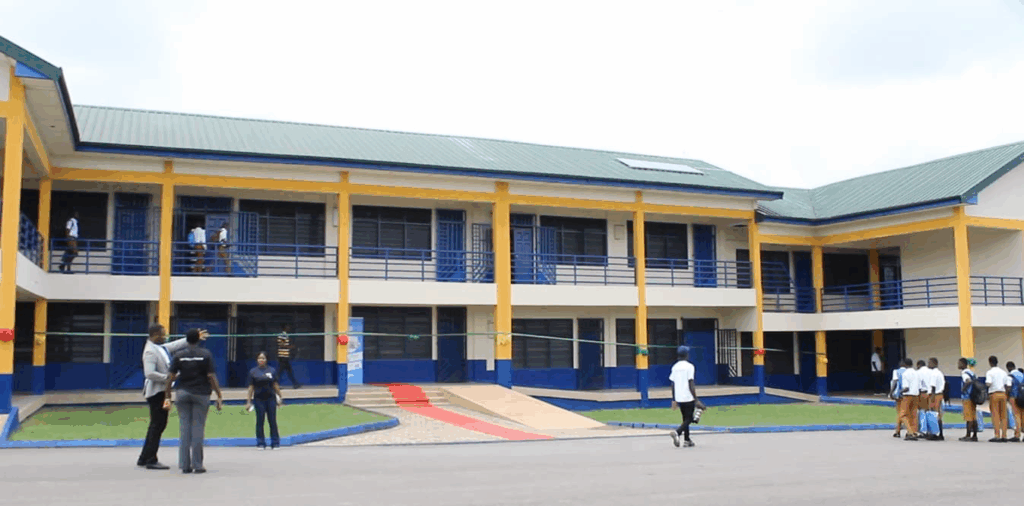
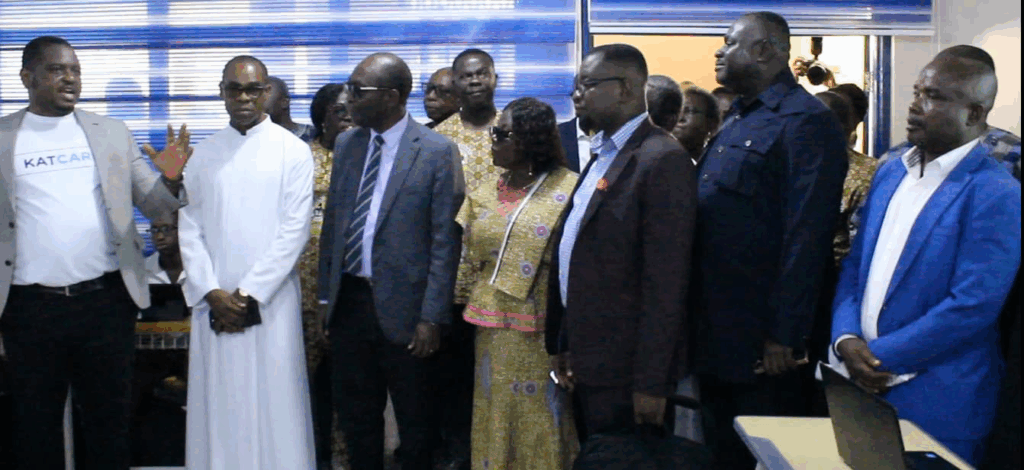
The Director-General of the Ghana Education Service (GES), Professor Ernest Kofi Davis, has commissioned a new 12-classroom digital learning block at Opoku Ware Senior High School in Kumasi as part of the Ghana Smart Schools Project.
The new facility replaces an earlier two-classroom setup and features state-of-the-art digital infrastructure aimed at transforming education through technology.
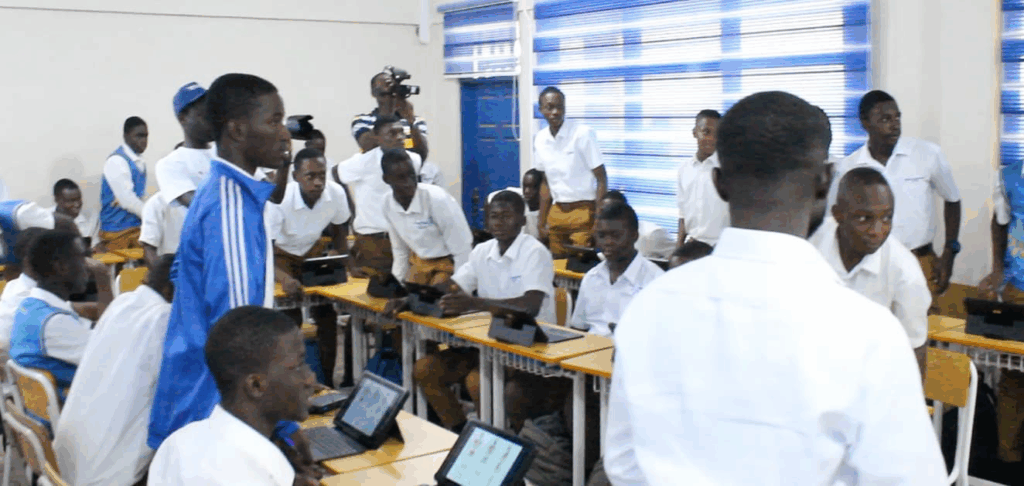
Each classroom is equipped with interactive smart screens, individual student tablets, high-speed internet, solar-powered charging cabinets, and ergonomic furniture to create a modern, connected learning environment.
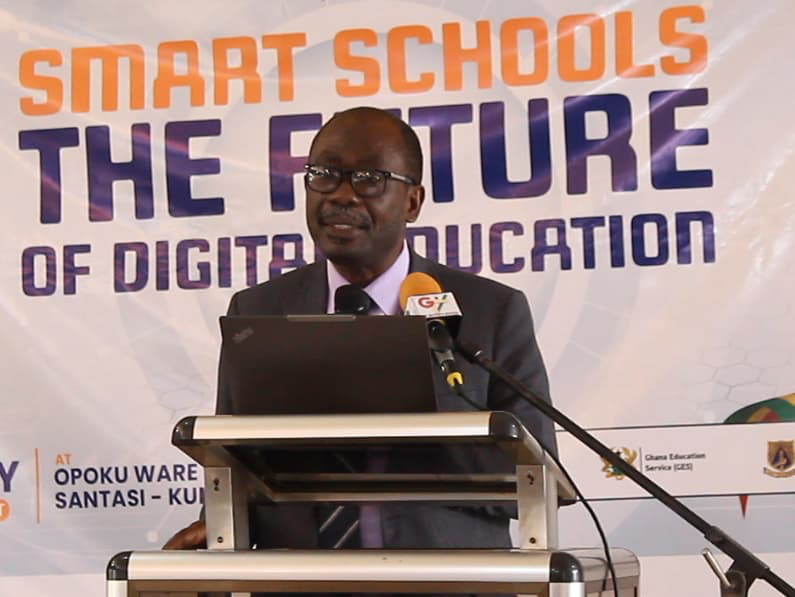
Professor Davis said the initiative reflects a shift in education from traditional chalk-and-board classrooms to dynamic, tech-driven spaces that foster curiosity, innovation, and collaboration.

“Classrooms of today are no longer defined by four walls and a chalkboard,” he noted. “They are spaces where information meets innovation, and where technology enhances curiosity, collaboration, and comprehension.”
The new smart classrooms will support teaching via the KATON360 Learning Management System, enabling teachers to deliver interactive lessons, conduct real-time assessments, and provide personalised learning experiences for students.
Prof. Davis reiterated the government’s commitment to continuing impactful education policies initiated by its predecessors.
“To this end, the GES will ensure that these initiatives will continue until every student gains access to tablets and their related accessories intended to aid knowledge acquisition,” he said.
He added that robust internet infrastructure will be prioritised to ensure a seamless smart school experience and hinted at upcoming measures to address concerns related to digital education security, safety, and privacy.
President of the Conference of Heads of Assisted Secondary Schools (CHASS), Rev. Father Stephen Owusu Sekyere, described the initiative as a bold step toward delivering world-class education in Ghana.
He, however, urged government to ensure nationwide inclusivity.
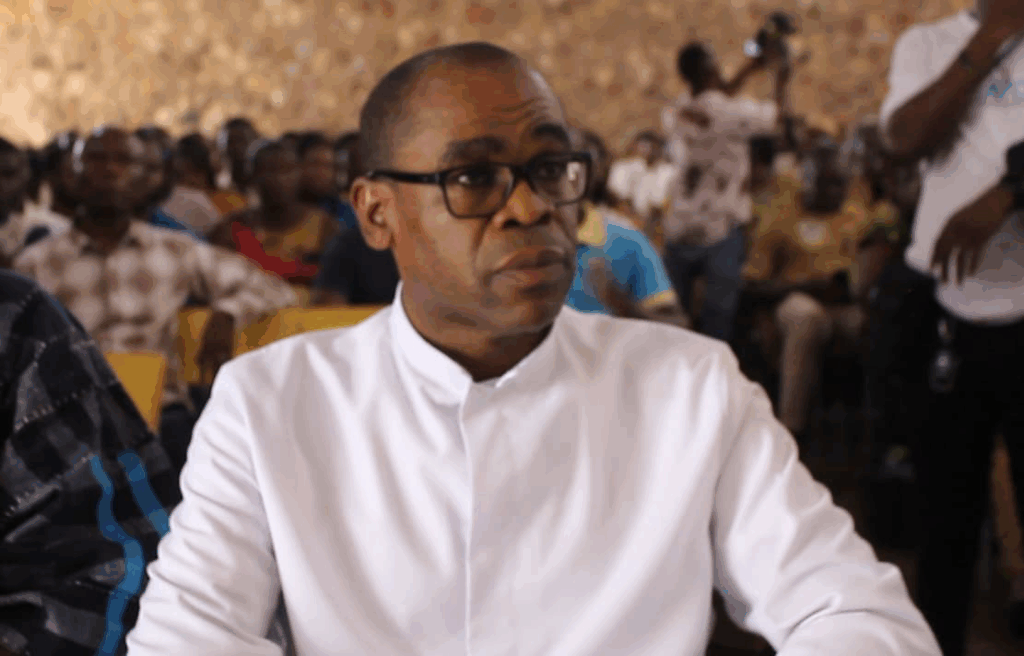
“The smart classrooms project must be extended to every single second-cycle school in the country. It doesn’t matter where the school is — whether it has electricity or not — the student in that village must benefit from this project. This is my passionate appeal,” he said.
The Ghana Smart Schools Project aims to convert existing school facilities into digital learning spaces and construct new ones where necessary.
Students will receive free tablets loaded with textbooks and learning materials, while teachers and GES staff will be equipped with laptops under a separate arrangement.
The overall goal is to enhance teaching and learning outcomes across the country.
The commissioning ceremony was attended by students and heads of various senior high schools in the region, under the theme “Smart Schools: The Future of Digital Education.”
Latest Stories
-
Ghana not immediately threatened by fuel shortages – Energy Ministry
4 seconds -
Ghana records eight deaths, over 1,000 mpox cases since May 2025 – Health Minister
14 seconds -
X probes offensive Grok chatbot posts as AI safety concerns intensify
2 minutes -
Planet One announces TVET projects worth $327m in three West African countries
9 minutes -
UN Chief condemns attack on Ghanaian peacekeepers in Lebanon, demands accountability
15 minutes -
US-Israeli air campaign hits hundreds of military targets in new wave of Iran strikes
20 minutes -
Ghana must lead Africa in criminalising environmental destruction – Annoh-Dompreh
21 minutes -
US-Israeli war against Iran enters new phase with rise of hardline successor Mojtaba Khamenei
26 minutes -
Kofi Adu Domfeh honoured with Excellence in Climate Journalism and Advocacy Award
27 minutes -
WPL 2025/26: Hasaacas, Ampem Darkoa Ladies close in on another final
29 minutes -
Bole MP donates GHS200,000 to support teacher training college establishment
44 minutes -
Danyame Old Town residents face eviction on a land occupied for 200 years
47 minutes -
60% of our water bodies are polluted – Minority Chief Whip pushes Ecocide Law
47 minutes -
Gov’t distributes seized ‘galamsey’ water pumps to farmers to boost irrigation – Dumelo
54 minutes -
MC Abeiku Sarkcess ignites Sarkodie’s Rapperholic UK with high-energy command
59 minutes