

Audio By Carbonatix
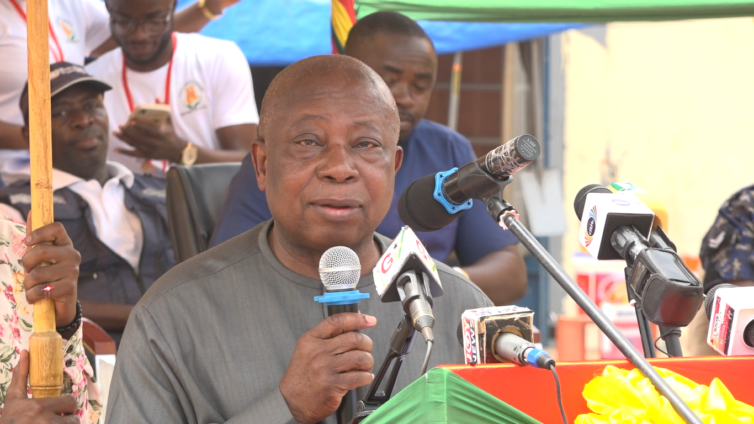
Health Minister, Kwaku Agyeman-Manu, says Ghana has made significant progress in the fight against malaria.
According to him, for over a decade, the country has been able to reduce malaria deaths by 96% in 2022 using 2008 as a baseline.
“Malaria related deaths at all ages reduced from 3,889 in the year 2008 to 155 by the end of 2022 which is about a 96% reduction,” he said.
He made these comments at the launch of the National Malaria Elimination Strategic Plan on January 16, 2024.
Mr Agyeman-Manu explained that the country was able to achieve these strides through the implementation of the elimination programme which included the malaria case management guidelines, running laboratory diagnoses of malaria and conducting supervisory visit to public and private health.
“The National Malaria Elimination Programme was established to reduce malaria morbidity and mortality rate by 75% by 2020, using 2012 as a baseline.
"Some of the key interventions and strategies implemented by the elimination programme include distributing long-lasting insecticidal nets nationwide through health facilities, communities and schools; rolling out guidelines for malaria case management, malaria in pregnancy, laboratory diagnoses of malaria and anti-malaria drug policy in all our regions.
"Conducting supervisory visits to public and private health monthly data review, retain data quality audit and monitoring of activities of epidemiological sentinel site,” he added.
Meanwhile, as part of efforts to completely eradicate malaria in Ghana, the government launched the National Malaria Elimination Strategic Plan.
The plan aims at reducing malaria mortality by 90% by the year 2028, and to reduce malaria incident by 50% going into 2028.
Mr Agyeman-Manu expressed his optimism in Ghana’s capacity to eradicate the disease citing the successes of the national malaria programme
Director General of the Ghana Health Service, Dr Patrick Kumah-Aboagye said there was a need to completely eradicate the disease like other countries have done.
“The disease imposes a heavy economic burden on households, the health system and the national economy. Malaria related illness and death leads to loss of productivity, absenteeism from work and school increased health care costs as well as personal costs. This can result in reduced economic growth and development,” he added.
Latest Stories
-
Friends of Bridget Bonnie Marks her 35th birthday with donation to Kasseh Model Health Centre
29 minutes -
Landfilling waste management creates no value, it’s an economic waste
56 minutes -
Photos: Speaker Bagbin Commissions MPs constituency office under parliamentary decentralisation programme
1 hour -
Black Stars technical advisor Winfried Schäfer sacked as GFA shakes up backroom staff
1 hour -
Wenchi water project almost complete, critical to gov’t agenda – GWL MD
2 hours -
Anti-LGBTQ+ bill not part of government’s legislative agenda – Inusah Fuseini
2 hours -
Anti-LGBTQ Bill: Forget the rumour mongers, I’m a man of action, and will pass the bill – Speaker
2 hours -
Women and children among those killed in Sudanese army shelling of wedding celebration
2 hours -
President Mahama is not sincere with Ghanaians on LGBTQ bill matter – Hassan Tampuli
3 hours -
Gov’t to establish Prison Industrial Hub to equip inmates with income-generating skills – Prison Service boss
3 hours -
Alhassan Tampuli donates cement, roofing sheets to support storm victims in Gushegu
3 hours -
Alhassan Tampuli appeals for urgent support for storm victims in Gushegu
3 hours -
The hypocrisy must stop; pass Anti-LGBTQ+ Bill now – Alhassan Tampuli to Mahama
3 hours -
Imprisonment should be rehabilitative, not punitive – Ghana Prisons boss at UNGA
3 hours -
Ga Adangbe traditional priests petition Mahama over McDan aviation licence revocation
4 hours