

Audio By Carbonatix
Available data on infant nutrition shows decreasing breastfeeding rates, inadequate meal frequency and diet diversity, thereby, increasing wasting among children below five years in the country.
The nation’s early initiation of breastfeeding hovers around 50 percent while exclusive breastfeeding at six months stands around 43 percent, Dr Paulina Appiah, the Bono East Regional Deputy Director in-charge of Public Health indicated.
Dr Appiah who revealed the figures during the regional launch of the ‘Start Right-Feed’ campaign held at Kintampo noted the data indicated the stark reality of breastfeeding practices in the country.
Mrs Rebecca Akufo-Addo, the First Lady, launched the national campaign which targets children from birth to two years in August 2020.
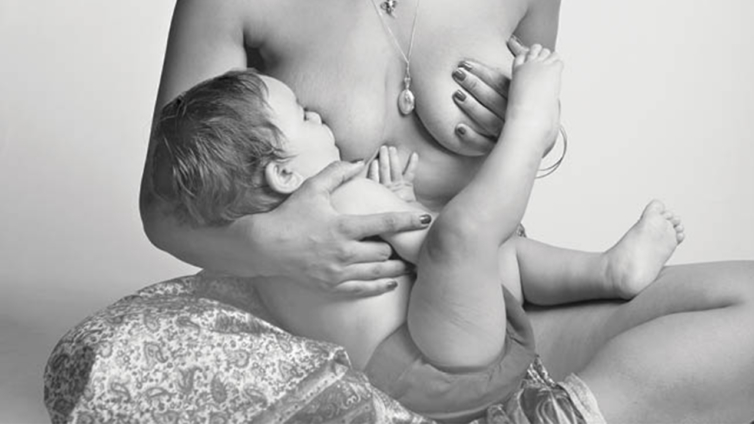
The campaign aimed at promoting and raising awareness of the benefits of exclusive breastfeeding and the provision of foods with the right balance of nutrients to make the targeted children more productive.
Exclusive breastfeeding, Dr Appiah explained, helped protect infants from common childhood illnesses such as diarrhoea and pneumonia, which she said were the two primary causes of child mortality in the country.
“It is also beneficial for the mother as it is associated with reduced risks of breast and ovarian cancer, type II diabetes, and postpartum depression,” she said.
Even after complementary foods have been introduced, breastfeeding remains a critical source of nutrients for the young infant and child.
It provides about one half of an infant’s energy needs up to the age of one year, and up to one third during the second year of life.
But, Dr Appiah regretted that complementary feeding was often fraught with problems of foods being too diluted, saying only 12 percent of children below two years were consuming the minimal acceptable diets in the country.
“Household food and feeding practices influence the quality of complementary feeding, and mothers and families need support to practice good complementary feeding,” she said.
She emphasized that a concerted approach was required to make the campaign achieve the desired outcome and called on traditional authorities, media, assembly members, civil society actors and organizations to play their part as well.
Latest Stories
-
Ghana’s oil production hits 694 million barrels since 2010 – PIAC report
1 minute -
Ghana records 7.5% economic growth in January 2026, services sector leads expansion
6 minutes -
One-cedi levy essential to keep power sector afloat- Ben Boakye
7 minutes -
Nii Noi marks Easter with donation of medical equipment to Taifa Polyclinic
8 minutes -
Police arrest man over viral video that sparked public fear
9 minutes -
Tamale water crisis a “major headache”, but government will fix it — Haruna Iddrisu
11 minutes -
Finance Ministry directed SOEs to do business with SIC but order was verbal, says SIC Life MD
12 minutes -
Cabinet to decide on fuel measures amid rising prices – Edudzi Tameklo
15 minutes -
Minority considers petition to Asantehene over cocoa price cuts
17 minutes -
Insurance Brokers join IMANI petition to end political interference in state insurance placements
18 minutes -
Road fatalities surge in 2026 despite intensified safety efforts—NRSA
21 minutes -
Police launch manhunt over gunshots, clashes at Kotoku Onion Market
21 minutes -
IGP’s Special Operations Team gets new leadership
31 minutes -
FoSCeL to hold National World Sickle Cell Awareness Day 2026 event at KNUST
32 minutes -
Ghana earns nearly $12bn from petroleum sector since 2011
36 minutes