

Audio By Carbonatix
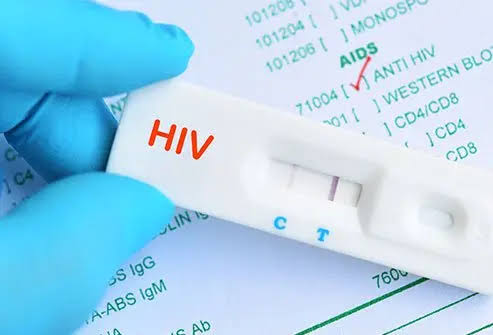
Ghana risks a looming nationwide shortage of essential HIV testing commodities, both oral and blood-based kits, by the end of July, raising concerns about possible disruptions to early diagnosis and treatment programmes if urgent measures are not taken.
The testing kits are critical for confirming HIV status, particularly among pregnant women and in emergency cases.
Speaking in an interview with the Ghana News Agency, Ernest Amoabeng Ortsin, President of the Ghana HIV and AIDS Network (GHANET), warned that the depletion of current supplies could undermine progress toward epidemic control and stall efforts to meet global HIV targets.
He noted that the current consignment of HIV test kits and reagents would last only until July, after which testing services across the country could be disrupted.
Ortsin explained that without urgent intervention, the shortage could delay diagnosis, restrict access to antiretroviral therapy, and increase the risk of new infections.
“Shortages mean fewer people can be tested, increasing the risk of undetected HIV infections,” he said.
This development, he said, would threaten Ghana’s progress towards achieving the UNAIDS 95-95-95 targets, which aim to ensure that 95% of people living with HIV are diagnosed, 95% t are on treatment, and 95% achieve viral suppression.
The testing commodities, both oral and blood testing kits, were provided by the Global Fund from 2024-2026, with the arrangement that the government of Ghana would purchase the rest after the Global Fund had supplied theirs from the third year (2026).
The delay on the part of the government could be attributed to funding gaps, procurement delays, and heavy reliance on donor support for HIV-related supplies.
The GHANET President called for emergency procurement measures, improved supply chain management, and increased government financing to avert any crisis.
He expressed the worry that Ghana still relied heavily on external partners for HIV commodities, with limited domestic production capacity for test kits and reagents, and urged the government to consider the exploration of local manufacturing partnerships to reduce dependence on imports and strengthen the sustainability of Ghana’s HIV response.
He also called for the establishment of buffer stocks to cushion the system against future supply disruptions.
Latest Stories
-
Let The Constitution direct Chieftaincy to deliver “All Development Is Local”
31 minutes -
Ghana explores centre of excellence for hearing, communication and cochlear implant care
2 hours -
Schizophrenia-related disorders lead mental health cases recorded in Ghana
2 hours -
Dutch authorities enlist Ghana in hunt for fugitive drug lord Bolle Jos
3 hours -
Ghana housing finance conference adopts communiqué to improve affordable housing access
7 hours -
Special Initiatives Minister urges Wa Technical Institute to enrol more girls as EU-backed solar training lab opens
8 hours -
In the matter of my first year at the Bar
8 hours -
ActionAid Ghana calls for an end to child marriage, greater investment in girls’ rights
8 hours -
Newsfile to tackle World Cup visa scandal, beach demolitions, education strikes, BRICS bid
8 hours -
UK-Ghana Trade & Investment Summit: Trade Resource Centre to help businesses maximise UK-Ghana trade opportunities
8 hours -
Embassy of Denmark celebrates World Maritime Day
9 hours -
Linking LEAP to productive inclusion could cut extreme poverty by 2030 – UNICEF
10 hours -
Trade Ministry backs use of creative arts to rehabilitate prison inmates
10 hours -
Negotiations with government to continue despite strike suspension – GNAT
10 hours -
‘Ghana cannot afford to waste public resources; every cedi has a job’ – Ato Forson
10 hours