


Audio By Carbonatix
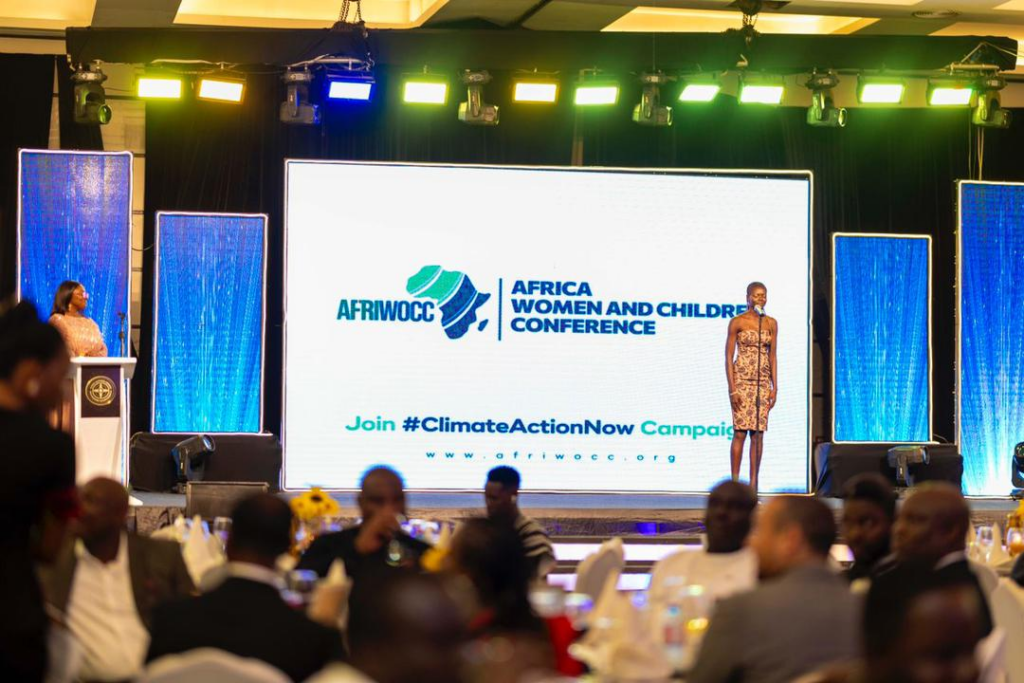
In the wake of rising climate challenges, the Africa Women and Children Conference (AFRIWOCC) at the 2024 Ghana Shippers Awards held a pivotal discussion led by industry experts on the urgent need for climate change adaptation and resilience within coastal communities and the shipping sector, with a special focus on the impacts on women and children.
This discussion sought to explore Indigenous and innovative strategies as well as collaborative efforts essential for adapting to and building resilience against the impacts of climate change in coastal areas and the maritime industry, ensuring the protection and empowerment of women and children.
An analysis by Appeaning-Addo et al. in 2011 on the likely impacts of coastal inundation along the Dansoman coastal area of Accra revealed that about 650,000 people, 926 buildings, and a total area of about 0.80 km² of land are vulnerable to permanent inundation by the year 2100.
Women and children, who are often the most vulnerable in such scenarios, face increased risks to their homes and livelihoods.
The shipping industry, carrying over 80% of global trade, contributes to approximately 3% of global greenhouse gas emissions. This dual challenge necessitates the industry not only to adapt to the impacts of climate change but also to implement measures to reduce its carbon footprint, with a keen eye on safeguarding the well-being of women and children.
The conversation, moderated by Dr Yaw Agyeman Boafo, Senior Research Fellow at the Center for Climate Change and Sustainability Studies at the University of Ghana, focused on strategies being implemented by the shipping industry to foster resilience and reduce emissions.
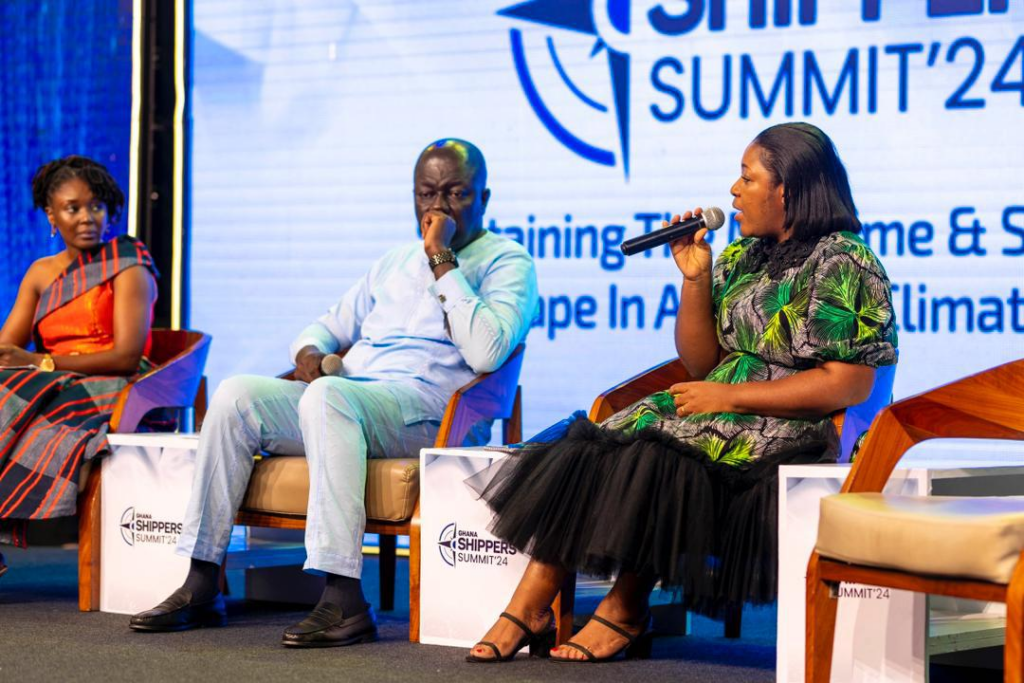
Discussions underscored the importance of collaborative efforts to protect vulnerable populations, particularly women and children, and to build the industry’s resilience amidst the climate crisis. The need for policies and practices that prioritize the health, safety, and economic stability of women and children was a key theme.
Panellists for the discussion included Mrs. Saadia Owusu-Amofa, Regional Programme Coordinator for West Africa, International Water Management Institute (IWMI); Mrs. Rhodalyn Djanitey, Officer in Charge of Advocacy, Ghana Shippers Authority; and Mr. Peter Amoo-Bediako, Director of Port, GPHA-Takoradi.
They highlighted the critical role of women in climate adaptation and the importance of empowering them to lead resilience-building efforts in their communities.
AFRIWOCC’s commitment to helping women and children was evident throughout the discussion, emphasising the need for targeted interventions that address the unique vulnerabilities faced by these groups and ensure their active participation in creating sustainable solutions for climate resilience.

Latest Stories
-
Padel for Parkinson’s cycling event promotes awareness at University of Ghana
15 minutes -
GPL 2025/26:Samuel Tetteh brace fires Nations FC past Basake Holy Stars
24 minutes -
Ghana’s oil trade position close to net neutral in near term – Fitch
46 minutes -
IMANI Africa President urges greater awareness and support for Parkinson’s Disease patients
56 minutes -
T-bills: Government records 29% undersubscription; interest rates continue to surge
58 minutes -
Perceptions of Judicial partisanship ‘unfortunate’ – Justice Adjei-Frimpong urges greater public engagement to build trust
1 hour -
Ghana to honour Christina Hammock Koch for historic Artemis II mission
2 hours -
Supreme Court appointments require more than 15 years’ experience – Justice Adjei-Frimpong
2 hours -
Fire destroys 3-bedroom house at Bogyawe
3 hours -
Why the Supreme Court is a “policy court” – Justice Richard Adjei-Frimpong breaks it down
3 hours -
Playback: The Law discussed Supreme Court @150
4 hours -
MTN Momo staff walk to promote wellness and fitness
4 hours -
Assafuah: Sedina Attionu’s return from Nevada will test government’s commitment to accountability
4 hours -
How GRA’s Modified Taxation Scheme is boosting revenue compliance & SMEs competitiveness
5 hours -
Stonebwoy Can Do It: A call to unite behind 2026 BHIM Fest
5 hours