

Audio By Carbonatix
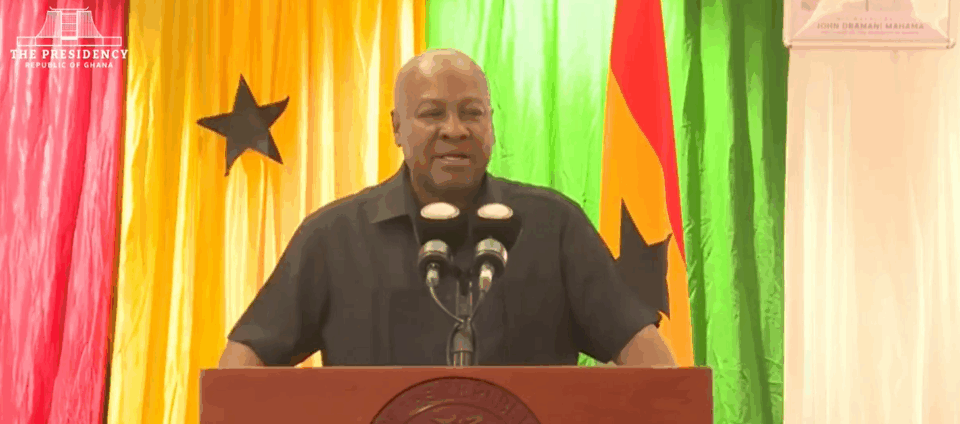
President John Dramani Mahama has announced that Ghana is on course to exit its International Monetary Fund (IMF) programme by April 2026, citing significant improvements in key macroeconomic indicators and renewed investor confidence.
Speaking at the Ghana–Zambia Business Dialogue in Lusaka, President Mahama said sustained fiscal reforms have stabilised the economy, with inflation easing, foreign reserves strengthening, and confidence gradually returning.
He noted that the improving outlook positions Ghana to expand trade and investment, particularly within the framework of the African Continental Free Trade Area (AfCFTA).
According to the President, the government’s development agenda is anchored on five strategic pillars: industrialisation and value addition; export-led growth; modern infrastructure development; strong support for micro, small and medium-sized enterprises (MSMEs), women and youth entrepreneurs; and the creation of a predictable, transparent, and investor-friendly business environment.
“We have restructured our debt to invest in people, not just to service loans. This is what ‘Resetting Ghana’ means, and it is delivering results,” President Mahama said. He pointed to the sharp decline in inflation from over 23.4 per cent at the end of 2024 to 3.8 per cent in January 2026, as well as the restoration of currency stability, with the Ghanaian cedi appreciating by 32 per cent to rank among the world’s five best-performing currencies in 2025.
President Mahama added that Ghana has successfully renegotiated its debt obligations on terms that protect national sovereignty and ensure sustainability.
“We are steadily exiting the IMF’s Extended Credit Facility with dignity as partners, not as supplicants,” he stressed.
He further noted that Ghana’s economic recovery has positive implications beyond its borders, contributing to regional confidence and integration.
Describing Zambia as a natural partner, the President said complementarities between the two economies—particularly in mining, agriculture, energy, and manufacturing—offer strong prospects for joint ventures, value-chain development, and expanded bilateral trade.
Latest Stories
-
Afreximbank to avail US$10bn under its Gulf Crisis Response Programme to shield African, CARICOM economies from Middle East conflict
46 seconds -
NPP behind every monumental agenda in Ghana – Miracles Aboagye
11 minutes -
Ho Airport not a misplaced priority — GACL Board Chair
13 minutes -
Nationwide sensitisation of haulage truck drivers ahead of Axle Load Enforcement
13 minutes -
Vice President backs community tourism at Vodza Regatta 2026
17 minutes -
Tree Crops Development Authority says media reports on rubber exports are misleading, demands apology
24 minutes -
Kotoko suffer shock 2-1 defeat to Samartex in Kumasi
34 minutes -
Scrap sanitation levy amid fuel price hikes — Miracles Aboagye
35 minutes -
Rapper Offset injured in shooting near Florida casino, officials say
43 minutes -
Sporting CP vs Arsenal Champions League preview: Where to watch, predicted line-ups, form, coaches’ thoughts
57 minutes -
Real Madrid vs Bayern München Champions League preview: Where to watch, predicted line-ups, form, coaches’ thoughts
1 hour -
CIB Ghana Post-MPC policy seminar urges action to turn macroeconomic stability into jobs
1 hour -
Maguire signs one-year contract at Man Utd
1 hour -
GACL chairman says airport levy to fund projects, completion targeted within 24 months
1 hour -
Sugar sacks now used to bag cocoa under Mahama government – Annoh-Dompreh raises concerns
1 hour