

Audio By Carbonatix
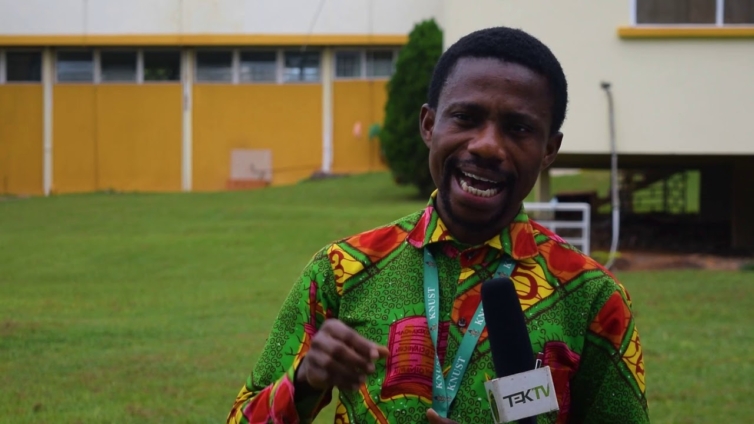
A political historian at the Kwame Nkrumah University of Science and Technology (KNUST), Prof Samuel Adu-Gyamfi, holds the view that Ghanaians are choosing political leaders who tend to reflect the collective character of a people who are not truthful.
According to him, there is no difference between the citizens and the kind of leaders they choose.
Speaking on "Kuro Yi Mu Nsem" show on Kumasi-based Nhyira FM, the senior lecturer noted that leaders tend to portray the character traits of the people.
"We are in a country where no one wants to say the truth and we always have to choose leaders among ourselves. This means that the people we choose as leaders have some traits of us and I am not surprised we are facing all these challenges in the country because no one speaks the truth," he said.
Prof Adu-Gyamfi asserted that, if the citizens changed their attitude, the leaders would change and drive the nation towards prosperity.
When asked about whether voting and leadership should be reserved for the educated, Professor Adu-Gyamfi said a person's level of education should not determine good leadership.
"I think we should allow everyone regardless of their level of education, professional background or social status to vote as long as the person is 18 years of age. Good leaders are born, although some elements of their environment influence the success of their leadership," he said.
Meanwhile, Prof. Adu-Gyamfi expects African countries to resist any attempt by the World Health Organization to impose any treaty inimical to their development of the continent.
The WHO is introducing a new pandemic treaty which is aimed at amending the international health treaty. This new instrument would give the chief executive of the WHO the authority to declare a public health emergency of public health concern without any proper consultation.
Prof. Adu-Gyamfi believes this treaty would deny member countries the opportunity to be part of decisions such as lockdown, screening and border closures.
"This instrument of the WHO will give much authority to the head of the organization to declare public health emergencies without consultation with affected member countries. The effect of this treaty will be hard on African countries such as Ghana. It requires all African leaders to rise up and resist such dictatorship treaty," he stated.
Latest Stories
-
Iran war lands ‘triple blow’ to flood-ravaged Sri Lankans
8 minutes -
Gunmen kill at least 11 people at Afghanistan picnic spot
22 minutes -
Woman, 25, in court for stealing baby at Bogoso
23 minutes -
Trump unveils giant gold-accented victory arch design for US capital
26 minutes -
We spoke to the man making viral Lego-style AI videos for Iran. Experts say it’s powerful propaganda
31 minutes -
Hungarians vote in big numbers on whether to end Orbán rule and elect rival
32 minutes -
At least 30 feared dead in crush at Haitian tourist site
32 minutes -
Boxing: Abdul Ahmed wins WBA Africa Cruiserwight title after dispatching Nigeria’s Eradeye
45 minutes -
Nearly 2,000 displaced, schools damaged as windstorm wreaks havoc in Gushegu
1 hour -
Ghana’s Derrick Kohn to work under Marie-Louise Eta as she becomes first woman to coach men’s Bundesliga team
1 hour -
Accra Open Championships conclude with strong performances ahead of African Championships
1 hour -
Ghana to begin camping with 12 athletes after Accra Open Championships – Bawa Fuseni
2 hours -
Anthony Joshua declines showdown with Tyson Fury but admits they ‘probably’ clash next
2 hours -
Tyson Fury dominates Makhmudov, calls out Joshua next
2 hours -
I have supported highway authority financially to fix roads in my constituency – A Plus
3 hours