

Audio By Carbonatix
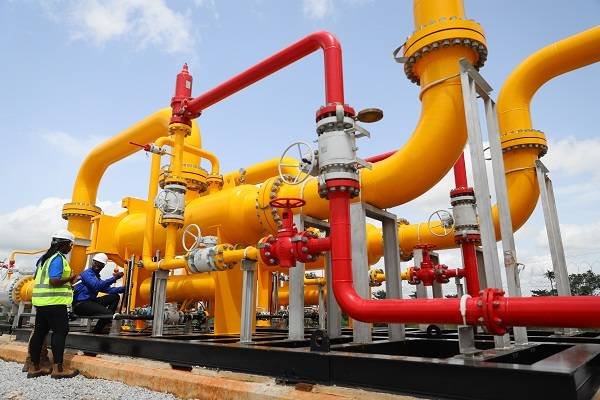
A joint analysis by the United Nations Development Programme (UNDP) and auditing firm KPMG has affirmed the government’s strategic shift from light crude oil to domestically produced natural gas for power generation.
The report, however, cautioned that the initiative’s ultimate success hinges on implementing transparent tariff-setting mechanisms and cost-reflective pricing.
It highlighted the potential of the transition to drastically reduce electricity production costs and strengthen energy security.
The findings come amid the government’s plans to leverage increased gas production from the Offshore Cape Three Points (OCTP), Jubilee, and TEN fields for power generation, as announced in the 2026 budget by the Minister of Finance, Dr Cassiel Ato Forson.
The minister also outlined recent infrastructure upgrades and new agreements with partners to boost gas supply, paving the way for the construction of a new 1,200-megawatt state-owned thermal power plant starting in 2026.
While switching from crude oil to gas is projected to cut generation costs by approximately 75%, the UNDP-KPMG report emphasised that these savings must be effectively managed across the entire electricity value chain to ensure sustainability.
The report stressed that transparent tariff-setting and cost-reflective pricing are essential to maintaining the financial viability of sector players, including the Electricity Company of Ghana (ECG), the Ghana Grid Company (GRIDCo), and independent power producers, while also preventing undue strain on the national budget.
It called on the Public Utilities Regulatory Commission (PURC) to adopt pricing models that accurately reflect the actual costs of production, transmission, distribution, and supply.
The analysis also noted that parallel initiatives, such as feasibility studies for mini-hydroelectric plants on the Red Volta and other southern rivers, align with the broader goal of diversifying the energy mix and integrating renewable sources.
However, the report warned that the sector’s long-term stability depends on a financially sound tariff structure. Without cost-reflective tariffs, Ghana risks renewed cycles of debt and underinvestment, which could undermine the gains from cheaper gas-based generation.
Transparency in tariff-setting, the report added, is vital to building public trust and ensuring that pricing adjustments are understood and accepted by consumers.
Latest Stories
-
Catholic Bishops say moral values must match economic priorities in Anti-LGBTQ+ debate
5 minutes -
IGP Yohuno urges merit and hard work ahead of Police Academy exams
18 minutes -
Queendalyn Yurglee releases debut album ‘Clouds of Glory’
50 minutes -
UDS moves to clear MPhil student wrongly linked to robbery case
1 hour -
Vodza Regatta 2026: Prof Audrey Gadzekpo rallies investors for coastal tourism growth
1 hour -
Introduction of 100 new Metro Mass buses won’t affect transport unions – GPRTU
1 hour -
Deputy Transport Minister backs Yellow Line traffic initiative
1 hour -
MTN Ashanti-Fest music concert set to hit Kumasi on Saturday
2 hours -
Authorities probe discovery of dead fish at Tema shipyard
2 hours -
Minority welcomes fuel tax cuts, demands accountability for GH¢1 levy
2 hours -
It remains a priority — Sam George on Anti-LGBTQ bill
2 hours -
Police arrest Nigerian national seen in viral videos wearing police uniforms
2 hours -
Free golf training empowers underprivileged girls in Accra
2 hours -
Why SIGA’s reset is not a market sin, but a national necessity
2 hours -
SIGA Directive: Beyond the theatre of institutional displacement
2 hours