

Audio By Carbonatix
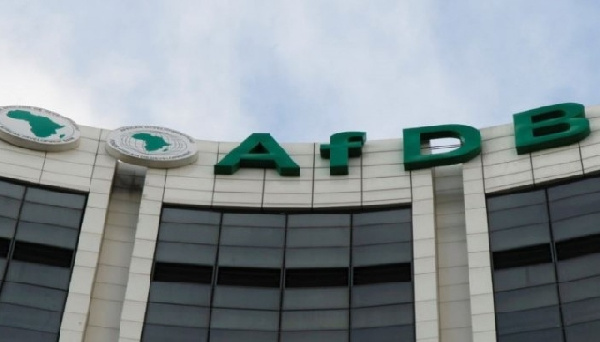
Ghana’s fiscal deficit to Gross Domestic Product (GDP) of 9.0% was the highest in West Africa in 2022, the African Development Bank West African Economic Outlook 2023 Report has revealed.
According to the report, the fiscal deficit to GDP fell by 0.2% from 9.2% in 2021.
The country’s fiscal deficit, however, averaged 5.8% of GDP between 2014 and 2020. This placed it as the second highest in the ECOWAS region.
According to the report, the fiscal deficit increased in all ECOWAS countries in 2021 except Guinea and Liberia where it declined by 0.4 and 2.1 percentage points, respectively.
“The increase in fiscal deficit was however the largest in Ghana, where it increased to 9.2% of GDP in 2021 from an average of 5.8% in 2014-2020 attributable to underperformance in domestic revenue despite a slowdown in COVID-19- related health expenditure”, it pointed out.
In this period there was low revenue and high expenditure, whilst the debt level rose astronomically due to high borrowings and exchange rate depreciation.

Meanwhile, the situation appears to be improving with provisional data on budget execution for the period January 2023 – May 2023, indicating an overall broad cash deficit of 1.8% of GDP, against the programmed budget target of 4.0% of GDP.
The primary balance (cash basis), according to the Bank of Ghana, recorded a deficit of GH¢1.2 billion (0.1% of GDP), against a deficit target of GH¢6.7 billion (0.8% of GDP).
The AfDB concluded that in 2021, the fiscal deficit increased in all countries in the region except for Guinea and Liberia where it declined by 0.4 and 2.1 percentage points, respectively.
“Countries like Guinea and Gambia have shown stronger resilience to the adverse effects of the COVID-19 pandemic and other external shocks. Their GDP growth and fiscal positions
both improved in the two years following the outbreak of the pandemic. Other countries, including Sierra Leone, Benin, Ghana, Senegal, and Nigeria reduced their fiscal deficits despite a negative real GDP growth differential”, it added.
Domestic resources mobilisation
The AfDB said the tax systems in West Africa have a narrow base.
It pointed out that Cape Verde and Senegal recorded the largest average tax-to-GDP ratio at 24.4% and 15.9% in 2014-2020, respectively followed by Burkina Faso (15.7%), Togo (14.2%).
The average tax-to-GDP ratio was the smallest in Nigeria (2.8%), Guinea Bissau (8.6%).
Overall, West Africa recorded an average tax-to-GDP ratio of 5.9% in 2014-2020, and
7.4% in 2022 less than half the 15% average minimum to adequately finance progress toward the SDGs in developing countries.
Latest Stories
-
Nearly 400 sentenced in Nigeria for links to militant Islamists
5 minutes -
Ghana’s recovery supported by gold strength despite global oil price pressures – Standard Bank Research
12 minutes -
Kwaku Azar writes: A-G vs OSP
45 minutes -
Mfantsipim–Adisadel rivalry built excellence, not division – Sam Jonah
1 hour -
Vice President launches Mfantsipim’s 150 years of shaping Ghana’s greatest mind
1 hour -
I assure Otumfuo, Mahama will join him to commission KNUST Teaching Hospital by end of this year – Haruna Iddrisu
2 hours -
Barcelona dominate derby to extend La Liga lead
2 hours -
Gov’t to roll out free special education for persons with disabilities from July 1 – Education Minister
3 hours -
Importers and Exporters Association declares full support for Publican AI port system
3 hours -
“We used it to test our officiating officials’ readiness” – Bawah Fuseini after CAA Athletics event
3 hours -
Volleyball emerges as Ghana’s fastest rising sport
3 hours -
National Sports Fund needs strong leadership from the top – Administrator David Wuaku
3 hours -
JoySports Exclusive: Steve McLaren in talks with GFA after expressing interest in Black Stars job
3 hours -
Fire guts auto parts warehouse at Bubuashie, one fire officer injured
4 hours -
I owe my victory to coach Ofori Asare – Allotey after winning WBA Africa Gold Super Flyweight belt
4 hours