

Audio By Carbonatix
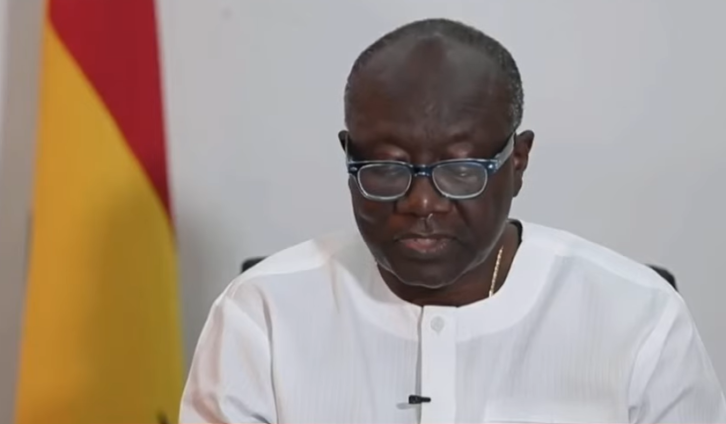
The Finance Minister, Ken Ofori-Atta, has emphasised that Ghana’s International Monetary Fund is to ensure social protection.
According to him, the programme will mitigate the impact of economic adjustment on the most vulnerable, whilst strengthening existing social intervention programmes such as Lively Empowerment Against Poverty (LEAP), National Health Insurance Scheme, Capitation Grant School Feeding Programme, amongst others.
The International Monetary Fund (IMF) said in a statement after approving the $3 billion bailout package that Ghana has made progress on poverty reduction over the last three decades, although regional inequalities have deepened.
Gross Domestic Product (GDP) per capita increased from $400 to $2,300 during 1990-2020. The share of the population living below the poverty line fell from 52.7% in 1991 to 23% in 2016.
However, large regional disparities increased, with the Southern wealthiest regions seeing continuous poverty reduction, while poverty stagnated or increased in the North.
Ghana’s social spending could be more efficient and targeted to the most vulnerable.
It therefore said the targeted social protection programmes are small with annual spending at less than 0.5% of GDP.
The flagship targeted cash transfer program, the LEAP, it said has proven to be efficient in reducing poverty. However, it only covers 50% of the extreme poor, has seen an erosion of the real value of the benefits it provides and has been disbursed with considerable delays.
For education, it said Ghana spends close to 4% of GDP on education with good results in terms of enrollment but poor learning outcomes.
It pointed out that the flagship programme Free Senior High School (SHS), which covers the full cost of secondary education, has helped increase enrollment but is poorly targeted.
Key identified areas of potential improvement of education spending include strengthening primary education resources, better teacher training, and stronger performance-based funding practices.
On health, the Fund said public health expenditures amount to 3.5% of GDP.
“While Ghana performs relatively well in terms health outcomes, disparities in access remains a key issue. The National Health Insurance Scheme (NHIS) is meant to be universal but only covers half of the population. Identified reform priorities include increasing the NHIS coverage, securing its long-term funding and expanding its basic care package.”
Latest Stories
-
‘Not our jurisdiction’ — Mahama breaks silence on Ofori-Atta case
2 minutes -
Mahama pushes for return of civic education to tackle indiscipline, sanitation challenges
4 minutes -
Ghana’s Black Stars fall again as Germany snatch late victory
6 minutes -
Mahama praises Volta Region’s cleanliness, urges national replicati
34 minutes -
Ghana Medical Trust Fund set for launch as Board finalises key systems
54 minutes -
Ghana restores investor confidence through economic reform – Deputy Finance Minister
54 minutes -
We never promised to end sole sourcing, only its abuse – Sammy Gyamfi
57 minutes -
Middle East tensions: Ghana’s current energy resilience thanks to increased domestic gas production – Mahama
58 minutes -
KsTU unveils ‘Nimde3 Hyiren’ Regenerative Electric Vehicle
1 hour -
(VIDEO) Kumasi Technical University shatters EV barriers with self-charging car
1 hour -
Mahama praises JoyNews’ ‘Tax for Galamsey’ exposé, orders end to illegal mining levies
1 hour -
Mahama vows stronger environmental governance, seeks CSO collaboration in fighting galamsey
2 hours -
Anti-LGBTQ bill not Ghana’s most pressing concern, but must be addressed through democratic processes – Mahama
2 hours -
Gender Ministry mourns victims of Accra New Town building collapse
2 hours -
Gov’t will introduce amendment to Procurement Act to limit sole sourcing – Mahama
2 hours