

Audio By Carbonatix
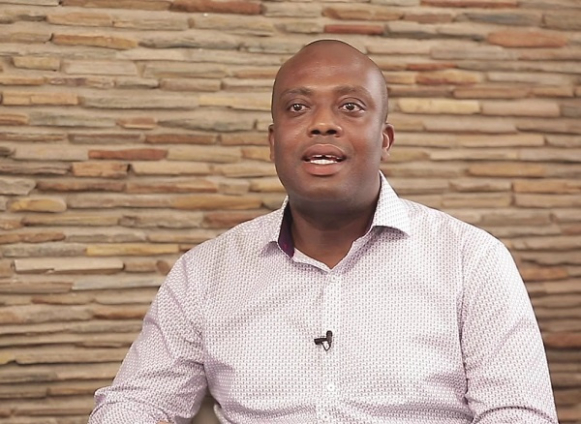
The Deputy Finance Minister, Thomas Nyarko Ampem, has credited the recent stability of the cedi to the strategic operations of the newly established Gold Board, describing the initiative as a "game changer" in the country’s economic recovery efforts.
Mr Nyarko Ampem made the remarks in direct response to former Vice President Dr. Mahamudu Bawumia, who has questioned the policy foundation behind the cedi’s performance. Speaking during an interaction with the Young Executive Forum in London as part of his UK Thank You Tour, Dr. Bawumia challenged the Mahama administration to name a single policy responsible for the cedi’s appreciation, implying that recent gains lacked any clear policy basis.
But in an interview on Joy FM's Middaynews on Monday, Mr. Nyarko Ampem dismissed Bawumia’s claims, stating that the former Vice President, known for “sloganeering,” is out of touch with the government’s silent but effective economic interventions.
Read also: ‘NDC has no policy behind cedi gains’ – Bawumia dismisses credit for currency stability
According to Mr. Nyarko Ampem, the Gold Board has restructured the country’s gold export regime by centralising and formalising the process. He revealed that Ghana’s gold exports from January to April 2024 stood at approximately $860 million. In contrast, during the same period in 2025, following the full operationalisation of the Gold Board.
"Today, with the introduction of the Gold Board and the way we have channeled all the exports through the Gold Board, we have accumulated and exported over $2.7 billion worth of gold. This has been the game changer," he indicated.
Read also: If not for Gold-for-Oil, our economy would have collapsed – Bawumia
The Deputy Minister also pointed to the revival of a derailed International Monetary Fund programme — which he implied was mishandled by the previous administration, as a key confidence booster in the economy.
He said the successful renegotiation of the programme under the current administration has restored investor trust and helped reduce fiscal pressure.
“Since we took over, we’ve also significantly reduced borrowing. As a result, treasury bill rates have been on a steady decline since February this year. These are signals of a recovering economy, not empty promises,” he stated.
Latest Stories
-
Current account stability to mitigate pressure on cedi; currency to end year at GH¢11.40 to a dollar
16 minutes -
T-bills auction: Government records 32% undersubscription; interest rates rise again
19 minutes -
Economy to remain relatively insulated from fallout of US–Iran conflict – Fitch Solutions
19 minutes -
[Watch Live] Shatta Wale, Kofi Kinaata, and others ignite the grand finale of Gomoa Easter Carnival
3 hours -
Berekum Chelsea edge Aduana FC in Bono derby to boost survival hopes
6 hours -
‘They can’t control the team’ – Ernest Thompson doubts local coaches for Black Stars role
7 hours -
Ghana-born midfielder Seidu realises ‘dream’ with Atlético Madrid debut
7 hours -
GPL 2025/26: Bubakari strikes late to hand All Blacks vital win over Dreams FC
7 hours -
Fatal crash on Kintampo–Tamale highway claims four lives
7 hours -
2025–26 FA Cup Semifinal Draw: Chelsea, Man City Learn Wembley Opponents
7 hours -
GPL 25/26: Gold Stars back on top after beating Nations FC
8 hours -
GPL 2025/26: Heart of Lions roar back with victory over Vision FC in Kpando
9 hours -
Solomon Agbasi: Hearts keeper in stable condition after concussion
9 hours -
GPL 2025/26: Late Salim Adams penalty earns Medeama draw at Bechem
9 hours -
Hearts pip Young Apostles 1-0 to end 5-game winless run
9 hours