

Audio By Carbonatix
The International Monetary Fund (IMF) has disclosed that government may introduce the suspended 15 percent value-added tax (VAT) on electricity if inflation rate continues to decline.
Government suspended the plan to implement the VAT on electricity after public outcry on the hardship the tax may bring on consumers, particularly residential.
However, the IMF in its July 2024 Country Staff Report hinted that government may implement the policy if inflation goes down.
“On the revenue side, implementation of VAT on residential electricity (expected yield 0.17 percent of GDP) was suspended due to strong social resistance. The authorities are committed to implementing this measure when the inflation dynamics are more conducive,” the IMF said on page 10 of the report.
The VAT on residential electricity was initially announced as part of revenue-generating measures under the IMF-supported COVID-19 recovery efforts.
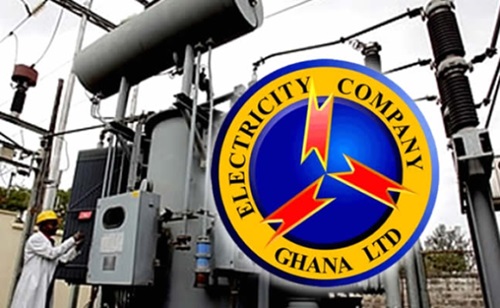
A letter from the Ministry of Finance, signed by former minister Ken Ofori-Atta and dated January 1, 2024, directed the Electricity Company of Ghana (ECG) and Northern Electricity Distribution Company (NEDCo) to implement the VAT for residential customers above a specified consumption level.
Government suspends VAT on electricity
Government suspended the planned implementation of the 15 percent Value Added Tax (VAT) on domestic consumption of electricity on February 7, 2024.
This was after Organised Labour threatened a nationwide demonstration against the implementation of the tax.
Organised Labour at the time warned that it would demonstrate on February 13, 2024 if the policy was not totally withdrawn.
The Ministry of Finance in a response said "On behalf of the Government, Ministry of Finance would like to inform ECG and NEDCO to suspend the implementation of the VAT directive pending further engagement with key stakeholders, including Organised Labour."
"The Ministry expects that these engagements will birth innovative, robust, and inclusive approaches to bridging the existing fiscal gap, while bolstering economic resilience."
Current inflation trend
The Ghana Statistical Service has reported that annual inflation had slowed to a 28-month low of 20.9 percent in July.
This is the slowest pace since March 2022 – compared to 22.8 percent June this year.
Latest Stories
-
Trump declares victory after rescue but threats to US operation in Iran still loom
53 minutes -
US Secret Service investigates reports of gunfire near White House
1 hour -
Current account stability to mitigate pressure on cedi; currency to end year at GH¢11.40 to a dollar
1 hour -
Oil back above $110 after expletive-laden Trump threat to Iran
1 hour -
T-bills auction: Government records 32% undersubscription; interest rates rise again
1 hour -
Economy to remain relatively insulated from fallout of US–Iran conflict – Fitch Solutions
1 hour -
[Watch Live] Shatta Wale, Kofi Kinaata, and others ignite the grand finale of Gomoa Easter Carnival
4 hours -
Four injured in robbery attack on Elshadai Enterprise at Akatsi
4 hours -
Two remanded for alleged attack, robbery at jewellery shop
5 hours -
Royals attend Windsor Easter Sunday service
5 hours -
Trump issues expletive-laden threat to Iran over Hormuz Strait blockage
5 hours -
Berekum Chelsea edge Aduana FC in Bono derby to boost survival hopes
7 hours -
‘They can’t control the team’ – Ernest Thompson doubts local coaches for Black Stars role
8 hours -
Ghana-born midfielder Seidu realises ‘dream’ with Atlético Madrid debut
8 hours -
GPL 2025/26: Bubakari strikes late to hand All Blacks vital win over Dreams FC
8 hours