

Audio By Carbonatix
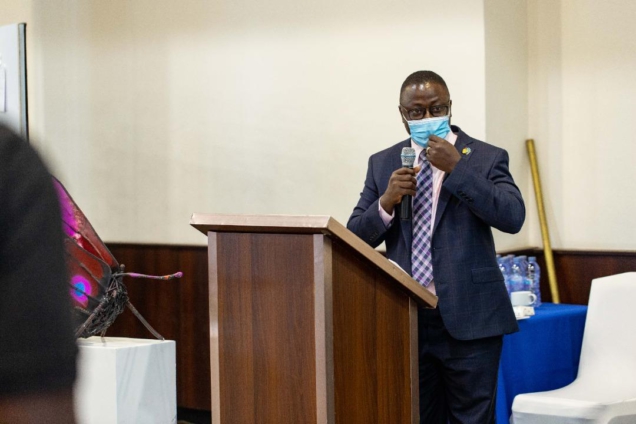
Director of Council for Technical and Vocational Education Training (COTVET), Dr Fred Kyei Asamoah, has reiterated Government’s commitment to the creation of an enabling environment for businesses to thrive.
Mr Asamoah was speaking on Thursday during the launch of the Precision Quality Training Programme (PQ) to equip artisans with the requisite knowledge and skills to meet globally accepted industry standards.
The event was organised by The Design and Technology Institute (DTI), a technical/vocational training institution with focus on young people.
The Programme forms part of DTI's partnership agreement with the MasterCard Foundation and will create 40,000 direct and indirect work opportunities for young people within the next three years.
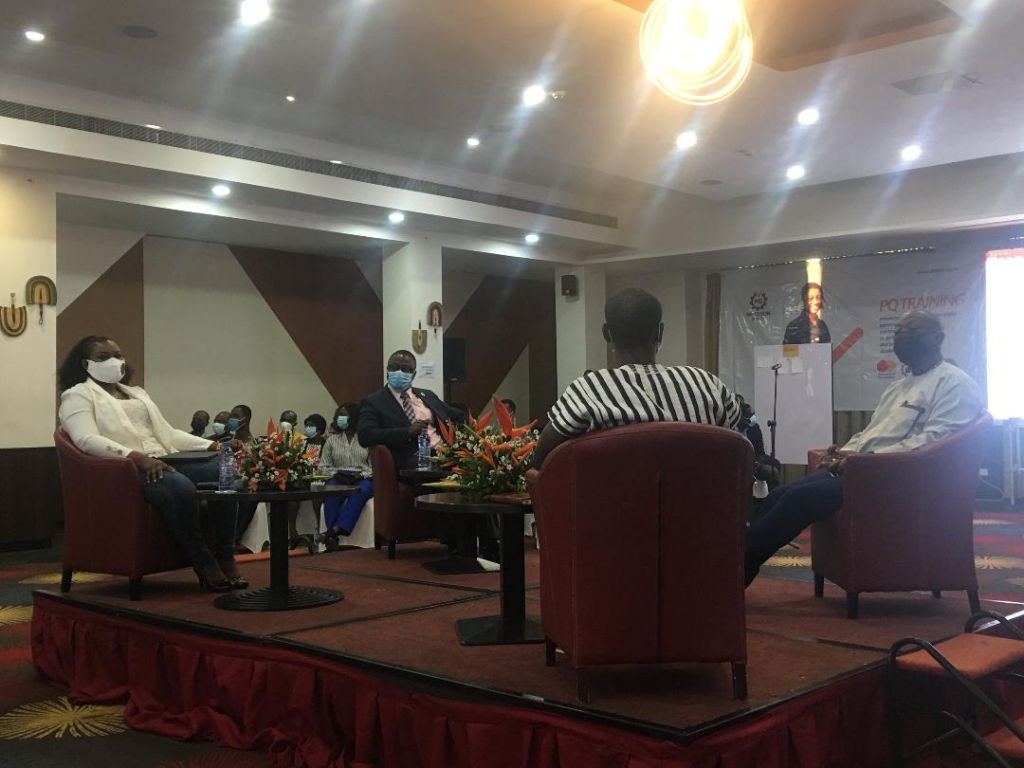
Mr Asamoah said Technical and Vocational Education Training (TVET) was the solution to Ghana’s unemployment situation and the country’s youth unemployment challenge required an all-round deliberate and consistent response to ensure quality and precision.
He said attention should not only be given to youth unemployment but also develop the human capital in areas such as interpersonal skills, presentation skills, communication skills, leadership skills, analytical skills, basic computer skills and critical thinking skills.
He said over the past few years, Government had made tremendous strides at improving the TVET sector, notable amongst them being the development and approval for implementation of a five-year strategic plan which had five policy objectives and seventeen strategies.
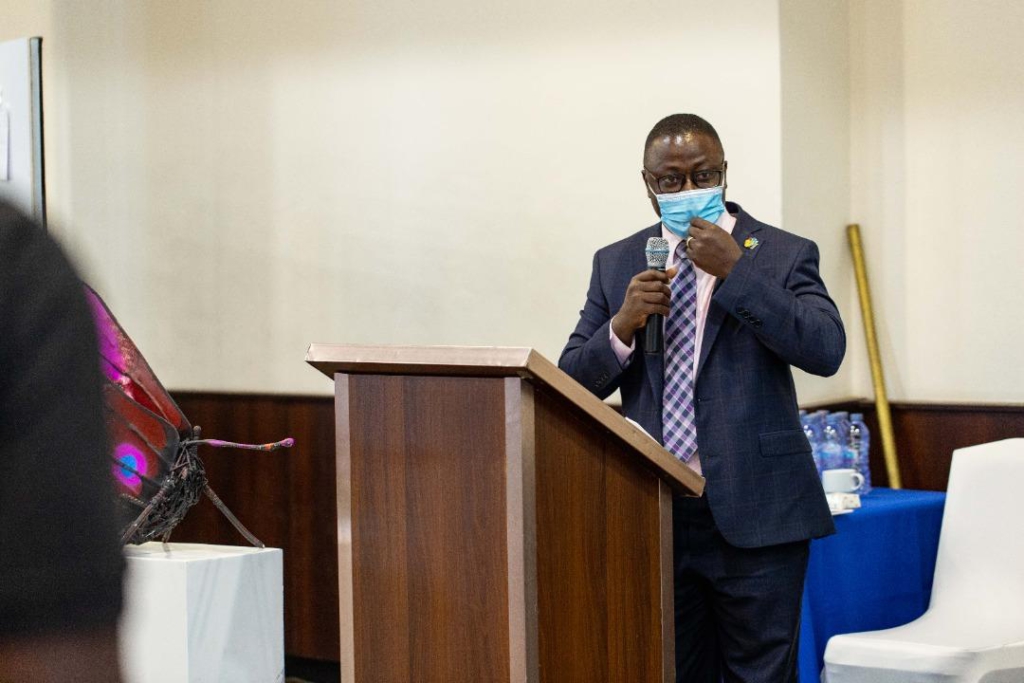
Mr Asamoah said Government had passed the Education Regulatory Policy Act which also established the Commission for Technical and Vocational Education Regulation through the merging of COTVET and the National Board for Professional Technicians Examinations (NABPTEX).
“We passed the Pre-tertiary Education B into law to establish a Technical and Vocational Education and Training Service that would specifically look at TVET delivery in the Pre-tertiary sector. Government has also developed a National Apprenticeship Policy that would train people in the industry where everybody benefits and quality is also assured,” he added.
Director of Institute, DTI, Mr Titi Ofei, said education was a powerful tool by which both adults and children can lift themselves out of poverty and participate fully as citizens of a nation.
He said the rapid changes occurring in the global economy had led to the introduction of new technologies and the demand for more highly skilled workers.
As such, Ghana’s education system must be modified to meet the needs and challenges of today, adding that, the skills of yesterday may not be able to fix the problems of tomorrow.
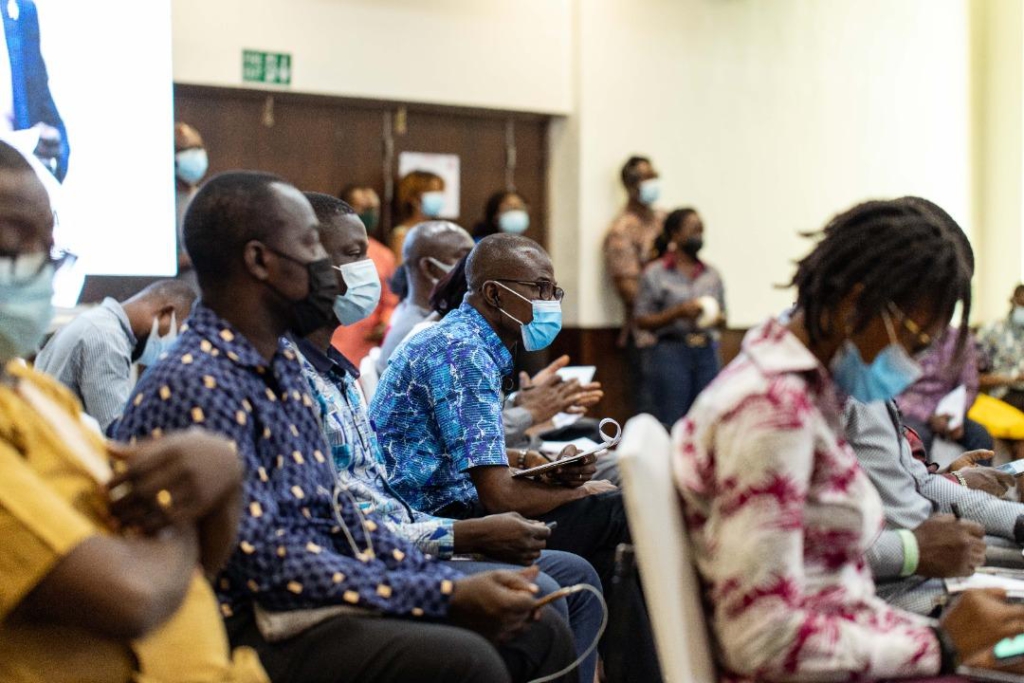
He said all over the world, TVET was the vehicle being used to develop skills and train the workforce.
However, he said in Ghana, more provisions had been made to support academic institutions as opposed to technical/vocational institutions and “this must change”.
In Ghana there are 900 academic institutions as compared to only 45 public technical institutions and TVET have been historically positioned as a second-class type of education. Many parents look forward to sending their children to academic institutions and do not give thought to technical institutions,” he said.
Mr Ofei said apart from parental resistance towards the patronage of TVET schools, the youth also had no interest in it because the general idea that had been created amongst peer groups was that students of tertiary institutions were academic failures or blockheaded.
President of Artisans Association of Ghana, Mr Gideon Bidor, said artisan skills such as kente weaving, beads making, basket making, blacksmith, goldsmith, plumbing, should be added to the educational curriculum right from basic school so that children would grow up appreciating technical education.
He said to achieve PQ attitudinal change was required, in that, industry players must endeavour to carry out their duties in a professional manner with or without supervision.
“Let us encourage those in this field to do it more and not look down on them because they are not formally educated and cannot speak the Queen’s language. One major problem we face is discrimination.
"Artisans are underpaid for their services even though their work is very tedious. This causes great discouragement and as such a person may decide to look for another work and discourage any of his children from venturing into this field,” he said.
Latest Stories
-
Trafficking of enslaved Africans is the gravest crime against humanity – Ablakwa
7 minutes -
Gold reserves not being sold off, funds reinvested for returns – Sammy Gyamfi
21 minutes -
Three killed, burnt beyond recognition in Nkwanta South conflict
21 minutes -
Claims of disruption in Parliament business false – Dafeamekpor
24 minutes -
GoldBod Jewellery sponsoring ‘Women of Valour’ London programme false – Sammy Gyamfi
24 minutes -
This is an emphatic victory for justice – Ablakwa hails UN slavery resolution
27 minutes -
Communications Minister champions fintech-led growth at 3i Africa Summit 2026 launch
30 minutes -
National AI Masterclass Cohort 2 begins to boost public sector digital skills
35 minutes -
Ghanaian journalists receive advanced science training at Imperial College London
38 minutes -
The world has spoken the truth through UN slavery resolution – Ablakwa
1 hour -
We can’t change history but we can change how we remember it – Ablakwa on UN slavery resolution
1 hour -
South Asia remains one of the world’s most polluted region in 2025, report shows
1 hour -
Amnesty International hails UN Slavery Resolution as ‘momentous step forward’ for reparations
1 hour -
Can prophecies go wrong?
1 hour -
Farmers advised to document trees they plant for financial benefits
2 hours