

Audio By Carbonatix
Convener of the #FixTheCountry campaign, Oliver Barker-Vormawor, who has described the demands of agitating Ghanaian youths as structural, says government is either intentionally failing to fix the ailing governmental structures or is simply pretending to fix the problems.
According to him, for government to successfully meet the citizens' demands, they needed to draw on historical templates that call for the engagement of the youth in a broad discussion on how the ailing structures need to be fixed.
“Let’s go back to the basics in the process that brings everybody into the conversation that the problems that government thinks it knows, that the problems that about 600,000 people are tweeting about, putting up online can be brought into a framework and a structure and we can have a conversation that compromises are made, negotiated, arrangements are arrived at, that meets the needs of every Ghanaian.
“And we need to put that process in place. Without that process, we‘ll just be fighting at each other and claiming that somebody who’s saying that it’s the structure of government is not saying anything specific,” he said.
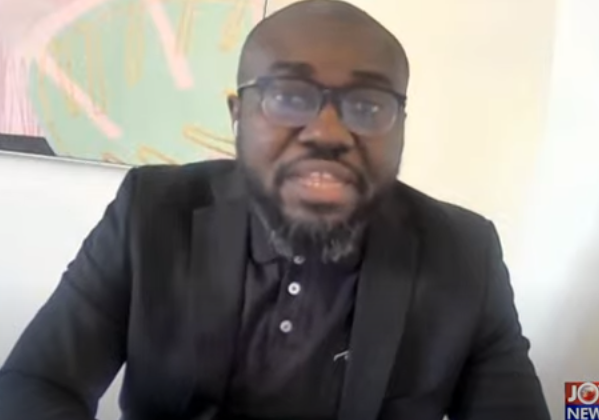
His comments follow statements made by some politicians that protestors need to list their demands and present it to government to tackle.
However, responding to such comments, Barker-Vormawor said asking agitating citizens to put their demands in a “laundry list” clearly shows a government that is out of touch with reality.
According to him, the demands of Ghanaians are structural in nature and thus deserve a broader engagement with government.
Drawing inspiration from the making of the 1992 constitution, Barker-Vormawor made a case for the need for citizens’ engagement in order to fix the country.
He said, “The circumstances under which we produced the 1992 Constitution was not the same circumstances we produced the 1979 Constitution.
"One was elites led where we had a minute commission where they developed the constitutional proposal and Rawlings as head of June 4th then declared it so, and it was proclaimed to be the constitution.
“But the other engaged all sectors of the Ghanaian society, market women had their place, the clergy had their place, teachers union had their place, everyone had their place in the process which was dedicated to building structure.
"Now, if a lot of the young people who are speaking were born after the 1992 Constitution and haven’t seen it live up to its promises, then we need to refix structure.”
He further called for the engagement of all state institutions as well as opposition parties in the discourse on how to fix the country.
According to him, “even the substance of how we do partisan politics in Ghana is something that we have to engage with.”
This, he says results from the winner-takes-all characteristic of Ghana’s political landscape which he claims alienates the opposition and places too much power in the hands of the ruling government.
And despite calls from civil society organisations to have that problem remedied, it still persists. Thus, that too should be addressed in future engagements with government.
Latest Stories
-
At least 30 feared dead in crush at Haitian tourist site
1 hour -
Four arrested over murder of Scottish businessman in Kenya
1 hour -
New Mainoo deal closer, says Man Utd boss Carrick
2 hours -
Sinner beats Alcaraz to return to world top spot
2 hours -
An inappropriate joke nearly ended his career. Now he’s back with more humour
2 hours -
GPL 2025/26: Dreams FC stage stunning comeback to hammer Eleven Wonders
3 hours -
Livestream: The Probe examines Kumasi’s looming water crisis
3 hours -
MTN Ghana gears up to lead Africa’s AI revolution
3 hours -
Philanthropist Alhaji FuZak donates Da’wah bus to Ambariya Sunni community
3 hours -
GUTA calls for suspension of Publican AI system over trade disruptions
3 hours -
TTAG raises alarm over proposed recruitment of 7,000 teachers, demands national posting roadmap
4 hours -
Civilians feared killed after reports of air strike on Nigerian market
4 hours -
Bishop Simon Kofi Appiah installed as new Jasikan Diocese Bishop
4 hours -
Trump’s Strait of Hormuz blockade threat raises risks and leaves predicaments unchanged
4 hours -
US Court backs extradition of former MASLOC CEO Sedina Tamakloe-Attionu to Ghana
4 hours