

Audio By Carbonatix
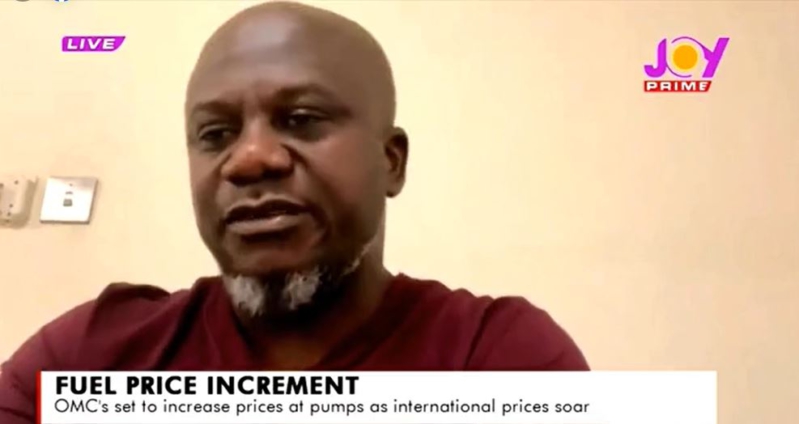
The LPG Marketers Association of Ghana has appealed to the government to take practical steps in reducing the price of Liquefied Petroleum Gas.
According to the Vice President of the Association, Gabriel Kumi, government’s objective of boosting the consumption of the commodity from 25% to 50% by 2030 cannot be achieved if the price continues to remain high.
He told Prime Morning host, Emefa Adeti, on Wednesday, February 2, that the 20% tax imposed on LPG products must also be scrapped to encourage higher consumption among Ghanaians.
“When you are dealing with a consumable like the LPG and want to increase consumption of such a product, the only way out is to take measures to bring the price of the product down so you can attract a lot of people into your consumption net but we see the government acting contrary to its own objective.”
“You cannot set a laudable objective to increase consumption of LPG and at the same increase the price of the product through taxation. We believe the two cannot be achieved. About 20% of the price you pay for LPG is made up of taxes. For the past four years, we have been calling on government to consider removing all the 20% taxes on LPG because we believe LPG must be made tax free,” he said.
The National Petroleum Authority (NPA) had earlier announced its intention to restore the Price Stabilisation and Recovery Levy (PSRL) on fuel products from February 1, 2022.
If you should look at the statistics for LPG consumption, whenever the price goes up, the demand goes down.
— Joy Prime (@JoyPrimeTV) February 2, 2022
LPG products are price sensitive, a pesewa increment will affect the level of consumption - Gabby Kumi, Vice-president of LPG Marketers Association of Ghana. #PrimeMorning pic.twitter.com/Aaeee7umjf
The restored PSRL is 16 pesewas per litre on petrol, 14 pesewas per litre on diesel, and 14 pesewas per kilogram on LPG.
But Gabriel Kumi hinted that the move will worsen the plight of the ordinary consumer as prices of LPG products are expected to shoot up significantly.
He explained that “generally, the international market price for crude oil is going up and our cedi is also not doing too good; these are the mains reasons LPG prices on the international market is going up.”
“About three months ago, government suspended the Price Stabilisation Levy which brought some relief to Ghanaians but unfortunately, that has been reintroduced. In this window which began yesterday [February 1], price of LPG was going to go up by 6%. Now they’ve introduced the Price Stabilisation Levy of 14 pesewas per kilo which is also going to add another 2% to the price of the product.”
“This simply means that LPG price is going to shoot up and its consumption in Ghana is going to go down because LPG is sensitive to price. The slightest addition to the price of the product goes a long way to affect the consumption of the product,” Gabby Kumi noted.
Latest Stories
-
Ghana to begin camping with 12 athletes after Accra Open Championships – Bawa Fuseni
20 minutes -
Anthony Joshua declines showdown with Tyson Fury but admits they ‘probably’ clash next
34 minutes -
Tyson Fury dominates Makhmudov, calls out Joshua next
53 minutes -
I have supported highway authority financially to fix roads in my constituency – A Plus
2 hours -
US, Iran fail to reach peace agreement after marathon talks in Pakistan
2 hours -
ECG kicks off Phase Two of transformer upgrades at Lashibi; brief outages expected
3 hours -
Port crises loom as 11,000 drivers threaten four-day strike
4 hours -
A source of excellence across generations – Vice President Opoku-Agyemang lauds Mfantsipim
5 hours -
(Photos) Mfantsipim School launches historic 150th anniversary
5 hours -
Knights and Ladies of Marshall group backs Catholic Bishops’ stance on anti-LGBTQ+
6 hours -
Bright Simons writes: All the Filla in the Ibrahim Mahama/E&P – Gold Fields Saga
6 hours -
Monetise Idiocy In Ghana
6 hours -
The Ghanaian prophet and the mysterious death of his scottish wife Charmain Speirs
7 hours -
Nearly 400 sentenced in Nigeria for links to militant Islamists
8 hours -
Ghana’s recovery supported by gold strength despite global oil price pressures – Standard Bank Research
8 hours