


Audio By Carbonatix
Government has been urged to create the enabling environment for the private sector to lead in the transformation of the tourism industry.
The President of Challenging Heights, James Kofi Annan, said that in order for the government to achieve its revenue target in the tourism sector, the involvement of the private sector is crucial.
The government has projected that it will rake in 4 billion dollars from the tourism industry by 2024.
Speaking at this year’s Woara Beba festival of the chiefs and people of the Woara Beba Community at Winneba in the Central Region, James Kofi Annan indicated that what is needed is for government to strengthen the tourism and cultural policies, to allow the private sector to lead the way.
He said that is the only way to unlock the creativity in the industry.

Mr. Annan said festivals have the potential to change the Ghanaian economy if regulated properly.
“Without interference, festivals have the ability to unlock the creative minds of our youth and allow them to explore their talents and change their economic circumstances,” he stated.
Mr. James Kofi Annan believes that Ghana does not have a competitive advantage in the manufacturing industry and does not have a competitive advantage in the technology industry either.
He continued, "We don't have a competitive advantage in the trade sector; Ghana's oil and gas sector is too uncertain and therefore economically unreliable. Ghana’s mining industry is clearly not sustainable and, as we are witnessing, Ghana’s cocoa industry is facing a challenge in the face of galamsey. "
He’s convinced that Ghana’s competitive advantage is in the tourism industry, where the country’s history, cultural practices, and creative talents put the nation ahead of other countries.
He also explained the launch of a new festival, Woara Beba Tweii Festival, in the Woara Beba community in Winneba and indicated that the people of Woara Beba, a fishing village in Winneba, launched the festival as a significance of their Tweii fishing methods, which they have been associated with for over a century.
The festival is a joint creation of the Chief Annobil Family and Challenging Heights (an NGO), and it is to help the community reduce poverty, mitigate the impact of climate change, and promote tourism in the area.
Woara Beba is a fishing village which was created about a century ago by the ancestors of the Chief Annobil Family of Winneba.
Their main method of fishing is Tweii, which is an onshore fishing method where the net is cast into the sea starting from the shore and ending at the shore in an oval fashion. The fishermen, thereafter, line up at the shore to pull the two ends of the net together until all the cast nets arrive.
Historically, Winneba has been known for its festivals; the Akomase festival, the Fancy Dress festival, the Aboakyer festival, and many other ones that have not been promoted.
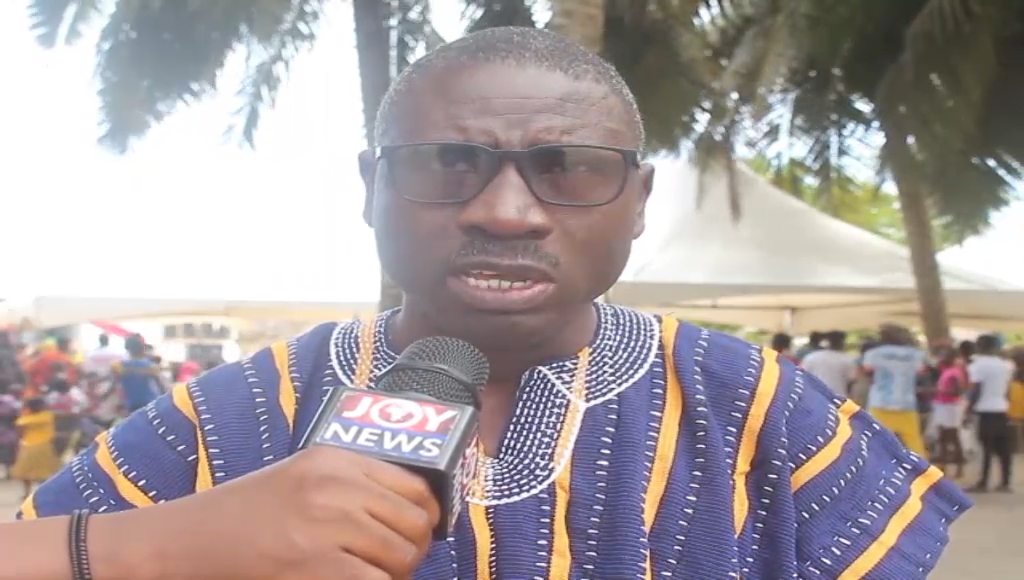
When James Kofi Annan introduced the Tweii festival idea for the first time in 2018, many people questioned its viability. He explained that many doubted it because they thought Woara Beba was too small a village to have its own festival.
“What we have to remember is that festivals are about tourism. Therefore, no matter how small a community is, if they can create something beautiful, both local and international tourists will be attracted to participate. The Woara Beba Tweii festival will demonstrate that a small village can host a significant festival, he said.
He intimated that very soon, Challenging Heights will launch a report on festivals in the Central Region.
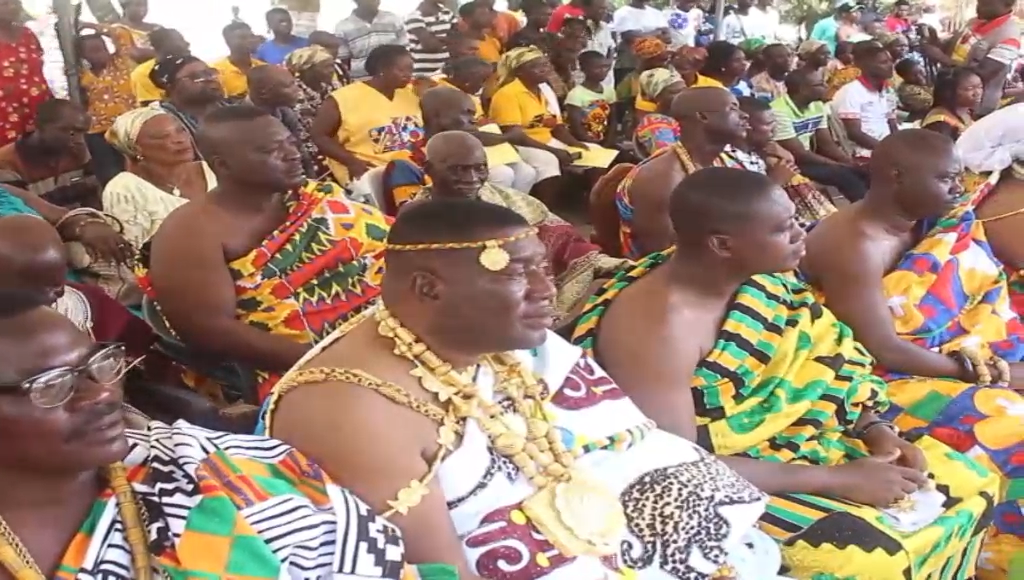
“Our involvement in festivals through our sister company, NYCE MEDIA, is a strategic move to address community and individual poverty, as well as the impact of climate change on our communities. "The Woara Beba Tweii Festival has the potential to end poverty in Woarabeba, Nsuekyir, Gyahadze, Gyengyanadze, Atekyedo, and all the surrounding communities,” he noted.
He urged everyone who belongs to the Chief Annobil Family to help promote the Tweii festival and to be proud that Challenging Heights and his family share ownership of it.
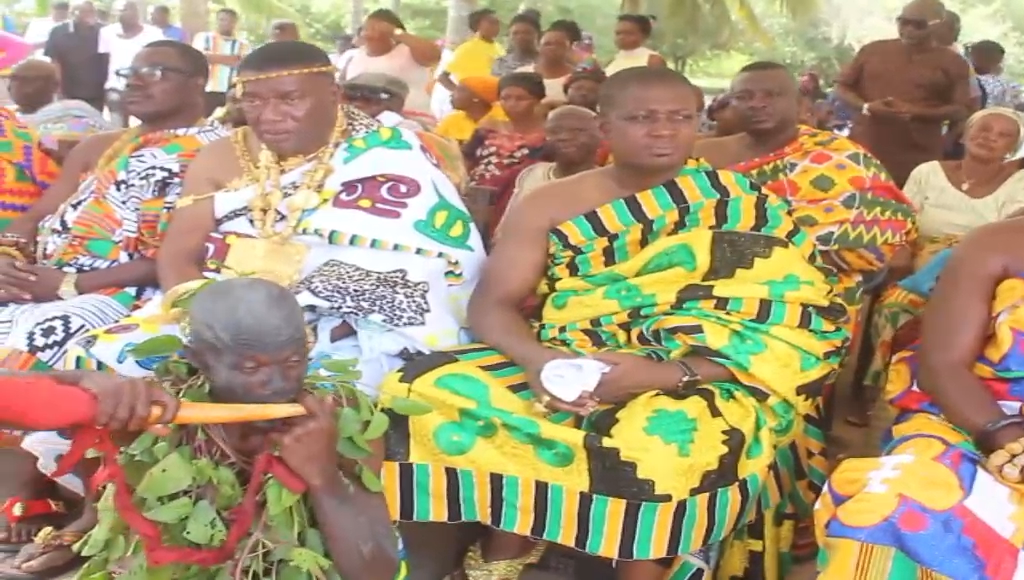
He admonished residents to look at tourism from the perspective of the economic circumstances of the members of the communities, as those who sell water, kenkey, and fish all stand to benefit.
Latest Stories
-
GUTA calls for suspension of Publican AI system over trade disruptions, demands temporary halt in import activities
2 minutes -
TTAG raises alarm over proposed recruitment of 7,000 teachers, demands national posting roadmap
35 minutes -
Civilians feared killed after reports of air strike on Nigerian market
45 minutes -
Bishop Simon Kofi Appiah installed as new Jasikan Diocese Bishop
46 minutes -
Trump’s Strait of Hormuz blockade threat raises risks and leaves predicaments unchanged
48 minutes -
US Court backs extradiction of former MASLOC CEO Sedina Tamakloe-Attionu’s to Ghana
1 hour -
Seven arrested as NAIMOS dismantles illegal mining camp, seizes firearms at Boin River
1 hour -
Fire erupts at Madina Ritz Junction, destroys multiple wooden structures and containers
1 hour -
Daniel-Kofi Kyereh returns from long-term injury, registers assist for Freiburg U23
2 hours -
Knifeman calling himself ‘Lucifer’ slashes three at NYC’s Grand Central
2 hours -
Brands are built from within to without
2 hours -
Matriculants urged to pursue excellence as gov’t reaffirms support for Maritime education
2 hours -
See the areas that will be affected by ECG’s planned maintenance on Monday, April 13, 2026
2 hours -
GPL 2025/26: Salim Adams double fires Medeama back to summit after Kotoko rout
2 hours -
Two robbery suspects convicted following violent gold dealer attack in Obuasi
2 hours