

Audio By Carbonatix
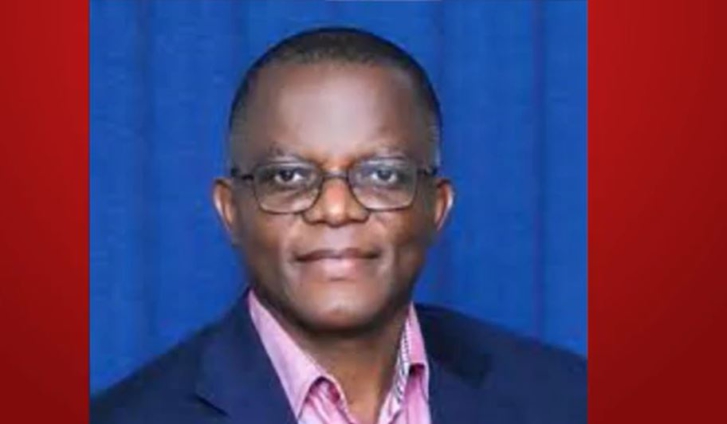
The Director of Research and Corporate Affairs at the Public Utilities Regulatory Commission (PURC), Dr. Eric Kofi Obutey, has explained how his outfit was able to reach a consensus with the utility providers on the newly announced tariff adjustment.
The PURC on Monday, August 15 announced tariff increases effective September 1, 2022.
Tariffs for electricity and water are expected to go up by 27.15% and 21.55% respectively.
Speaking in an interview on Joy FM’s Top Story on Monday, Dr. Obutey explained that although the Ghana Water Company Limited (GWCL) and Electricity Company Limited (ECG) requested 334% and 148% respectively, they agreed on these percentages because government will take care of the debts owed by the utility providers.
According to him, since this was agreed on, “it means we had to split up the cost” that the utility providers submitted to PURC.
“So we have taken all of this into consideration. We gave them [utility providers] a five-year tariff loan from 2022 to 2027 but we brought it down to 2025 that is a three-year period. That means that the investment for the two years have been chopped off. 2025, 26 and 27 are not part of this tariff revision,” he said.
According to him, PURC wants to lessen the burden on the ordinary Ghanaian, hence its move to absorb the cost.
In a related development, the Executive Secretary of the Public Utilities Regulatory Commission (PURC), Dr. Ishmael Ackah has asserted that the newly approved electricity tarrif was arrived at after deep consideration of its effect on Small and Medium scale Enterprises (SMEs).
According to him, the Commission considered the role of SMEs in the country’s economic development, in particular, the creation and/or preservation of jobs and livelihoods.
Dr. Ackah said this when he announced an upward adjustment of utility tarrifs at a media briefing in Accra on Monday, August 15.
He announced that Electricity consumers will pay 27.15% more whilst water users have to make do with 21.55% increment. The new tarrifs take effect from September 1, 2022 and will extend to 2025.
The PURC boss noted that “industry including, small and medium scale business owners of Hairdressing and Beauty Parlours/Salons, Barbering Shops, Tailoring and Dress Making Shops, Welding, Mechanics, Cold stores, Chop bars, Vulcanising and Carpentry Workshops among others will now pay lower tariffs than the residential consumer class. This is to address the high electricity cost for industrial customers which has been repeatedly identified in the AGI Business Barometer as the key challenge affecting the competitiveness of Ghanaian industry in the global market place.”
Latest Stories
-
Church of Pentecost supports over 2,000 BECE candidates in Obuasi with career guidance seminar
17 minutes -
Brandon Asante and Coventry all but promoted to Premier League despite Sheffield Wednesday draw
39 minutes -
GPL 2025/26: Late Kwartemaa strike downs Hearts in Tema
46 minutes -
Ghana Faces Sierra Leone Moment as Prosecutorial Powers come under strain
55 minutes -
Don’t consume fish or seafood from Tema Shipyard until further notice – FDA warns
60 minutes -
Why volunteering might be Africa’s most underrated career accelerator
1 hour -
ActionAid Ghana raises concern over gender gaps in Feed Ghana Programme
1 hour -
Windstorm wreaks havoc in Gushegu, displacing nearly 2,000 residents and damaging schools
1 hour -
Friends of Bridget Bonnie Marks her 35th birthday with donation to Kasseh Model Health Centre
2 hours -
From Ekumfi Kokodo to the Pulpit Stage: Essi Donkor’s gospel journey takes shape
2 hours -
Landfilling waste management creates no value, it’s an economic waste
2 hours -
Photos: Speaker Bagbin Commissions MPs constituency office under parliamentary decentralisation programme
3 hours -
Black Stars technical advisor Winfried Schäfer sacked as GFA shakes up backroom staff
3 hours -
Wenchi water project almost complete, critical to gov’t agenda – GWL MD
3 hours -
Anti-LGBTQ+ bill not part of government’s legislative agenda – Inusah Fuseini
3 hours