

Audio By Carbonatix
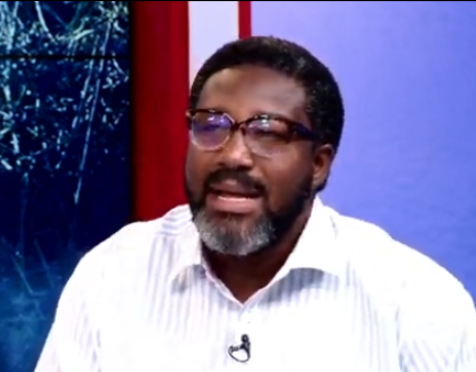
Lawyer and energy expert Lom–Nuku Ahlijah has warned that escalating tensions in the Middle East could drive up fuel prices in Ghana and trigger broader economic challenges, including higher electricity costs and transport fares.
Speaking on JoyNews AM Show on Monday, March 8, Mr Ahlijah warned that the unfolding situation could significantly affect fuel supply, electricity generation and transport costs across the country.
His comments come in the wake of escalating military exchanges involving Israel, Iran and the United States, which have heightened fears of a broader regional confrontation. Amid the strikes and counterstrikes, the Strait of Hormuz, one of the world’s most important shipping routes for global oil transit,t has been shut, raising concerns about disruptions to international energy supplies.
Mr Ahlijah explained that the Middle East remains one of the world’s most oil-rich regions, with the Strait of Hormuz serving as the principal maritime corridor through which crude oil is transported to global markets.
“The entire Middle East is an oil-rich region, and the Strait of Hormuz is the major trading shipping route that essentially brings that commodity to the rest of the world,” he said.
He noted that the strait lies in proximity to Iran, which has indicated that it may not allow the free flow of ships through the passage. Although the United States has said it is prepared to provide military support to enable vessels to pass safely, that has not yet materialised.
According to Mr Ahlijah, any disruption to the flow of oil through the route would inevitably reduce global supply and push up fuel prices — a development that could hit Ghana and many other African countries particularly hard because they rely on imported fuel.
“Obviously, it affects supply, and that will impact countries like Ghana because we import a lot of fuel — not only us, but many African countries,” he said.
He warned that rising fuel prices would have widespread economic consequences.
“When fuel prices go up because there is less supply, it will directly impact electricity, it will impact our transport fares, it will impact everything,” he added.
Mr Ahlijah stressed that the government’s response, particularly from the Ministry of Finance (Ghana), would be crucial in cushioning the country against potential shocks.
“To make sure that the country is not reeling under this challenge, a lot depends on the strategy that the Finance Ministry will put in place, because every country must strategise how it intends to deal with this issue,” he said.
He referenced suggestions by the Chamber of Petroleum Consumers (COPEC) for the establishment of a dedicated fund to support national fuel reserves. While describing the proposal as “interesting”, he said it would require further scrutiny.
However, Mr Ahlijah warned that the country’s energy mix could make it particularly vulnerable to rising fuel costs. Ghana’s electricity generation relies heavily on thermal power plants, which are largely fuelled by gas and heavy fuel oil.
“When gas is not available, we depend on heavy fuel oil and similar fuel sources, which means the situation could also affect our electricity supply,” he said.
Mr Ahlijah emphasised that the government must clearly outline measures to mitigate the potential economic impact of the crisis.
“We want to see in the coming days what the Finance Ministry will say in terms of what they are planning and what they have put in place to mitigate the effects of higher prices resulting from shortages from that region and the limitations in shipping caused by the closure of the Strait of Hormuz,” he stated.
He added that the issue presents multiple challenges for policymakers and requires a comprehensive response.
“It is multifaceted. But as a country, we must state quite clearly what we are putting in place to preserve our economy and ensure that we have buffers so that we are not impacted significantly,” he said.
Latest Stories
-
Ghana housing finance conference adopts communiqué to improve affordable housing access
1 hour -
Special Initiatives Minister urges Wa Technical Institute to enrol more girls as EU-backed solar training lab opens
2 hours -
In the matter of my first year at the Bar
2 hours -
ActionAid Ghana calls for an end to child marriage, greater investment in girls’ rights
2 hours -
Newsfile to tackle World Cup visa scandal, beach demolitions, education strikes, BRICS bid
2 hours -
UK-Ghana Trade & Investment Summit: Trade Resource Centre to help businesses maximise UK-Ghana trade opportunities
3 hours -
Embassy of Denmark celebrates World Maritime Day
3 hours -
Linking LEAP to productive inclusion could cut extreme poverty by 2030 – UNICEF
4 hours -
Trade Ministry backs use of creative arts to rehabilitate prison inmates
4 hours -
Negotiations with government to continue despite strike suspension – GNAT
4 hours -
‘Ghana cannot afford to waste public resources; every cedi has a job’ – Ato Forson
4 hours -
Ghana expects economic boost as World Assemblies of God Congress brings 10,000 delegates to Accra
4 hours -
Joy in Nayilifong as Farouk Aliu Mahama donates 100kVA transformer to improve power supply
5 hours -
Chief Justice urges employers to tackle mental health stigma in workplaces
5 hours -
Analysis: Ghana’s yellow fever numbers reveal a gap between vaccination and protection
6 hours