

Audio By Carbonatix
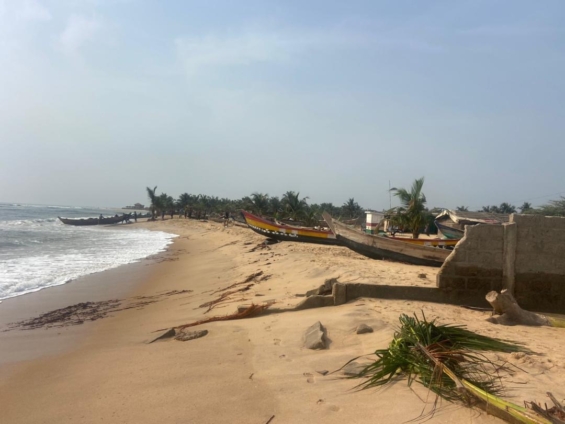
As the sun sets over the Gulf of Guinea, the waves kiss the battered shorelines of Salakope, a once-thriving fishing village in the Ketu South Municipality now struggling with dwindling catches and climate devastation. Amid the challenges, one voice stands tall — Torgbui Anumu Tettey, the revered traditional leader and Chief Fisherman of Salakope.
“These seas are not just water,” Torgbui says, standing near the canoe landing site. “They are memory. They are inheritance. They are blood.”

Torgbui has witnessed it all: the golden days when fish were abundant, the erosion of shorelines due to rising tides, and now the silent invasion of industrial trawlers that threaten both livelihoods and culture. For him and many others, Ghana’s Inshore Exclusive Zone (IEZ) — now expanded under the new Fisheries and Aquaculture Act — offers a last chance at reclaiming their dignity.
“The 12-nautical mile boundary is sacred,” Torgbui asserts. “Let no one encroach again. Not the Chinese trawlers, not their Ghanaian collaborators. Let the law be enforced — or let our nets rot in protest.”
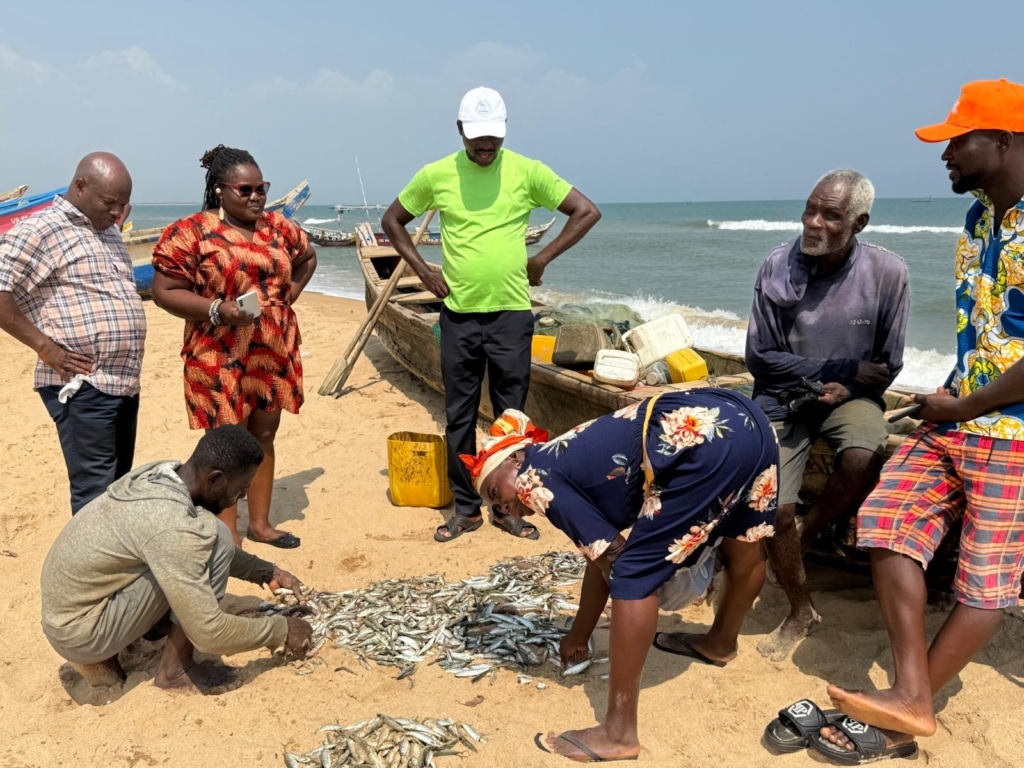
From Dzelukope to Keta to Woe, the fisherfolk echo similar concerns. In Keta, canoe owner and fisherman Kojo Datsomor explains how the intrusion by trawlers has altered fish behavior and reduced yields.
“We now travel farther for fewer fish,” he says. “Some days, we come back with nothing. Our children wait for food that never comes.”
The situation is pushing families to the brink. Children drop out of school, women migrate in search of alternative work, and coastal economies that once thrived are now dependent on external aid.
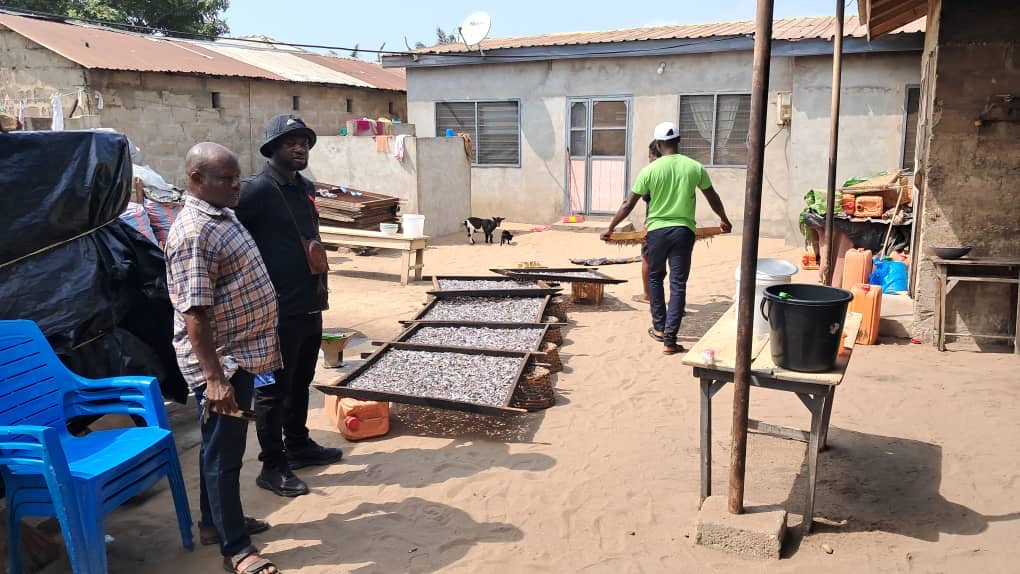
The IEZ expansion — if truly enforced — could act as a barrier between artisanal fishers and destructive industrial operations. But many doubt the government’s resolve, especially in the face of reported lobbying by powerful interests.
“We are watching,” Torgbui Anumu Tettey warns. “If they revoke the expansion or fail to implement it, we will mourn the sea as we mourn a dead chief.”
It’s not just a livelihood issue — it’s a cultural battle. In these coastal communities, fishing is a rite of passage, a spiritual rhythm passed from father to son. The sea is both a provider and a sacred entity.

In Keta, young fisher Yaw Amegashie says he’s torn between continuing his father's trade or leaving for Accra. “My heart is here,” he says, “but my pockets say otherwise.”
And that’s the reality Ghana faces. Without strong enforcement of the IEZ and greater protections for small-scale fisheries, the country risks losing both its marine resources and the cultural soul tied to them.
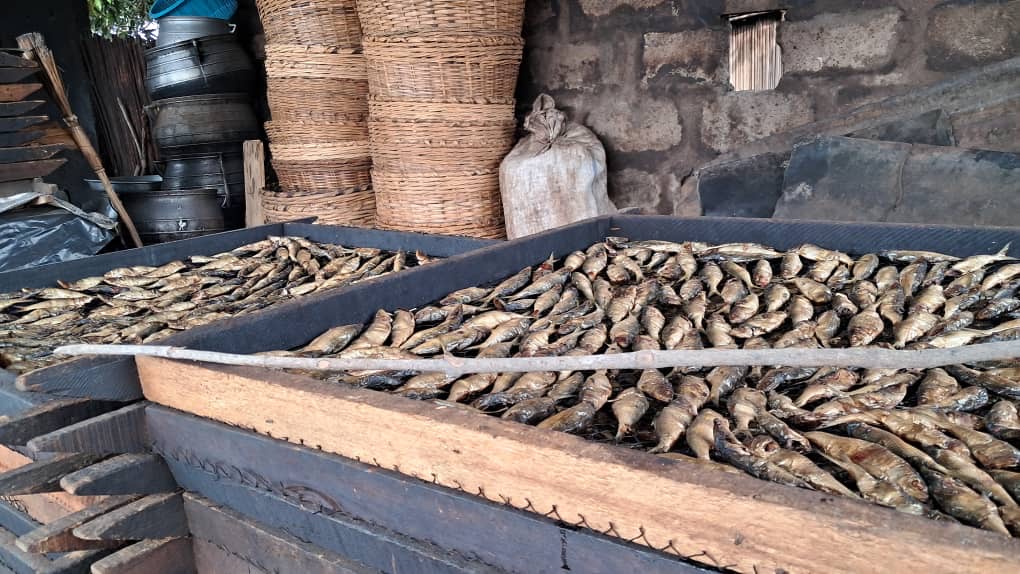
“Protecting the IEZ is protecting Ghana,” says Torgbui. “Let us not betray our people for profit.”
The call from Volta’s fisherfolk and chiefs is clear: enforce the law, push trawlers back, and return the sea to its rightful guardians.
Latest Stories
-
Harry says he was made ‘paranoid’ by Daily Mail publisher’s ‘unlawful’ actions
2 hours -
Trade war in no-one’s interest, says British PM in face of Trump threats
3 hours -
Greenland ‘will stay Greenland’, former Trump adviser declares
3 hours -
I do not want to reconcile with my family, says Brooklyn Peltz Beckham
3 hours -
Djokovic registers 100th Australian Open win
3 hours -
China’s birth rate hits record low as population continues to shrink
3 hours -
US believes its power matters more than international law, UN chief tells BBC
3 hours -
2028 is not a normal election – Amewu explains why NPP needs Kennedy Agyapong
4 hours -
The whole nation wants Kennedy – Amewu makes strong case for Agyapong
4 hours -
Sogakope Circuit Court jails farmer 15 years for incest, defilement
4 hours -
31-year-old illegal miner sent to prison over theft
5 hours -
Court remands GPHA staff over stolen tugboat
5 hours -
Attendance at trial is a constitutional duty, not an option
5 hours -
RTI response raises questions over Bryan Acheampong’s military service claims
5 hours -
Two women granted bail over assault of 12-year-old; another remanded
5 hours