

Audio By Carbonatix
In the fishing communities along the coast, where fishermen have followed the rhythm of the sea for generations, a long-standing debate rages on: Does the closed season really preserve the fisheries, or does it unfairly punish those who depend on the sea for survival?
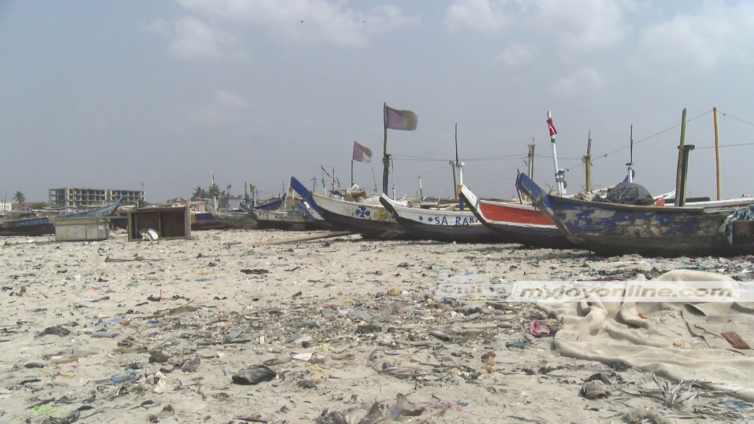
The "closed season" in fisheries, also known as the "biological rest period," is a time when a temporary ban is put on fishing activities from July 1st to August 1st to allow the sea to reproduce and replenish the fish stock. This period is chosen because it aligns with the spawning period of many fish species, allowing them to lay eggs and replenish their populations before the fishing season resumes. The goal is to ensure the long-term rebuilding of depleted and dwindling fish stocks.
But the big question remains: Is the closed season a friend or foe to the fisher folk?
Benefits of the Closed Season to the Fisher Folk
Relaxation
The closed season offers a welcome relief for fisher folk, providing a much-needed break from the physically and mentally demanding work of fishing. This period allows them to unwind, and recharge after a tiring year-long fishing cycle. By stepping away from the intense activities of fishing, they can indulge in some well-deserved self-care, and peace of mind, to prepare their bodies and minds for the next fishing season.
Bonding
The closed season also serves as a time for fisherfolk to bond with family and friends. They visit relatives and friends, engage in activities that strengthen their bonds, and attend to the emotional and psychological needs of their children. Women gather in groups to exchange ideas and enjoy time together, while men and children bond in their own ways.
Maintenance
Maintenance is a major activity that fisherfolk often struggle to find time for due to the demands of fishing. The closed season provides the opportunity to perform necessary maintenance work in preparation for the next fishing season. Key maintenance activities include:
Gear maintenance: Checking, fixing, or replacing nets, lines, and traps as needed.
Equipment maintenance: Ensuring fish finders and radar are in good condition and making modifications to the boat if necessary.
Boat maintenance: Addressing hull repairs, engine upgrades, and other overhaul issues.
Downsides of the Closed Season
Fish Scarcity
The closed season can lead to fish scarcity. By the time the ban is lifted, the fish saved during the ban might have been exhausted. Some fishmongers, such as Mavis and Sitsofe, report difficulties in cooking at home during this period due to the lack of fish, leading to hunger, dissatisfaction, and increased costs for the available fish in the market.
Negative Economic Impact
The closed season has far-reaching economic consequences, extending beyond the fishing community to impact the broader economy and society. The processing sector, in particular, suffers significant economic losses due to the reduced or complete lack of work during this period. This has a ripple effect, affecting families who may not be directly engaged in fishing but rely on the industry for their livelihood. The closed season’s economic impact is felt across various sectors, highlighting the need for sustainable solutions that balance conservation efforts with economic viability.
Potential Illegal Fishing
During the closed season, many coastal families face financial difficulties, struggling to afford necessities like education, clothing, and food. Fishermen, often the heads of their households, may resort to illegal, unregulated, and unreported (IUU) fishing to make ends meet.
The close season has a devastating impact on the livelihoods of fisher folk and their communities. Many fisher folks rely heavily on fishing as their primary source of income, and the close season leaves them without a steady means of supporting their families.
However, the Ministry of Fisheries and Aquaculture Development (MoFAD) and the Feed the Future Ghana Fisheries Recovery Activity (GFRA) are working to mitigate this negative impact. Through the Livelihood Empowerment Programme, they are providing alternative livelihood support to fisher folks especially young women in fishing communities, including:
Training and capacity building in alternative livelihood skills such as sewing and tailoring, hairdressing and beauty care, food processing and preservation, and entrepreneurship and business management
Provision of equipment and tools to support alternative livelihoods, such as sewing machines, hairdressing tools, and food processing equipment
Support for business development and market access
Mentorship and coaching to ensure a successful transition to alternative livelihoods.
This initiative aims to support 8,000 beneficiaries this year, up from 5,000 in 2023. By providing alternative livelihood opportunities, the ministry and GFRA are helping to reduce the economic hardship faced by fisher folks during the close season, promoting economic independence and sustainable livelihoods.
In conclusion, to further enhance the effectiveness of the close season, MoFAD and GFRA should prioritize strengthening fisheries management and enforcement to prevent illegal, unreported, and unregulated fishing. They should also invest in research and development to improve the fisheries sector, inform sustainable management decisions, and ensure a resilient and sustainable future for Ghana’s fisheries.
Latest Stories
-
Power restoration fault suspected in Kumasi Central Market fire
5 hours -
The 7-foot giant of Ngleshie Amanfro: Seven-foot Ghanaian Ephraim Saawa dreams of joining the national basketball team
5 hours -
Government promises support for Kumasi Central Market fire victims
6 hours -
Vibes The Movie: Big Ghun’s Ghanaian film earns five nominations at 2026 REFFA
6 hours -
MamaCare CEO warns unresolved conflicts among health workers could undermine maternal and neonatal care
6 hours -
Health professionals urged to translate medical knowledge into practice to save mothers
7 hours -
Retired judge Justice Francis Korbieh charges 1,568 new lawyers to uphold integrity
8 hours -
Conflicts among care providers linked to maternal, neonatal deaths – Expert
8 hours -
GIS marks 10th TIME conference, champions improved teaching practices
8 hours -
BRICS Or Balance? What Ghana’s bid really means
9 hours -
GPRTU wants full TRAFFITECH-GH implementation to start in 2027
9 hours -
How 10-mile walks for basic education birthed a 50-year legal career for Justice Korbieh
9 hours -
Mahama announces plans to import electric wheelchairs for PWDs
9 hours -
KGL U17 Colts 2026: Western beat Prempeh Elite Academy to set up final final with Greater Accra Region
9 hours -
Late Solanke strike salvages 10-man Spurs draw at Man United
10 hours