

Audio By Carbonatix
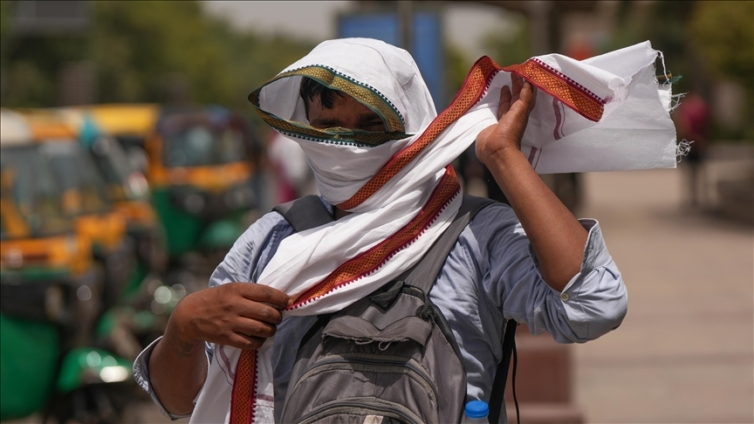
India’s relentless heat wave killed 33 poll workers as the country concluded its final day of voting in the world’s largest general election, officials said, underscoring the impact of searing temperatures in recent days.
The workers died in the northern state of Uttar Pradesh, the state’s chief election officer, Navdeep Rinwa, told reporters at a news conference. Their families will receive $18,000 each in compensation, he added.
Voters and election workers have endured an extended period of unusually high temperatures across much of the country’s north as India voted in a seven-phase election that began on April 19. The last phase took place on June 1.
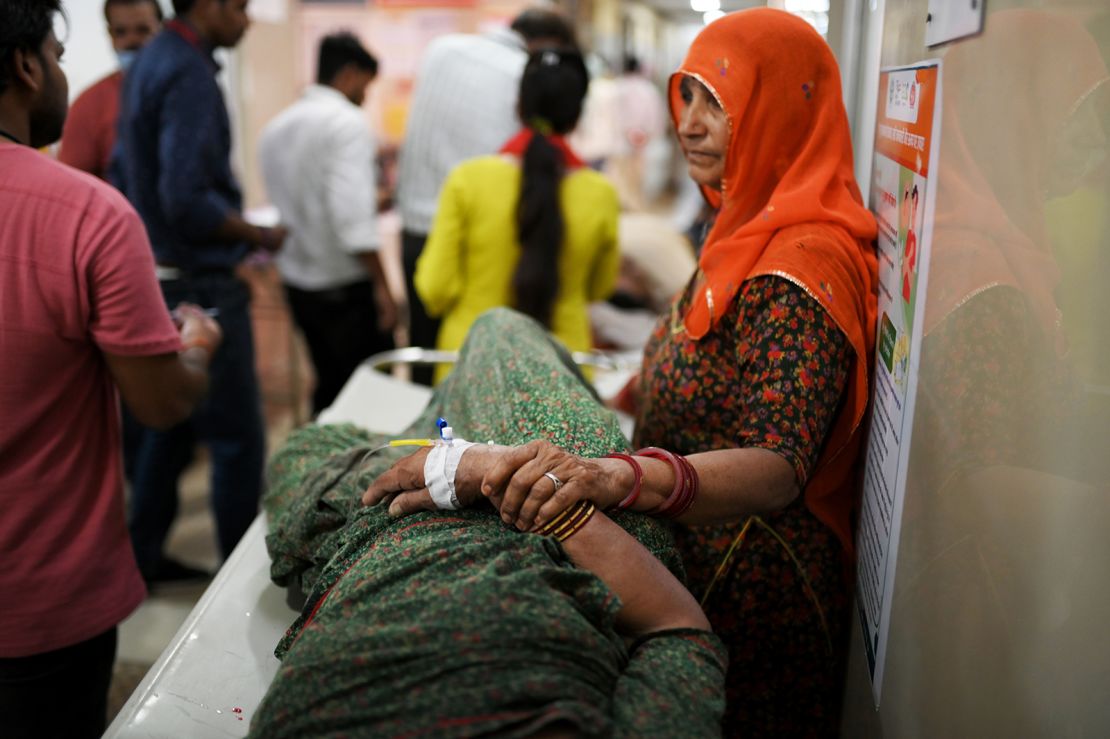
At least 61 people have died from heat strokes, heat exhaustion, dehydration and other heat-related illnesses since May 24, according to local health and government officials.
Of that number, at least 43 were election workers, authorities said.
Election duty is compulsory in India for public sector employees. They’re assigned by the election commission before polling begins.
Home to more than 1.4 billion people, about 969 million were eligible to cast their vote — more than the populations of North America and the European Union combined.
Election rules state that voters should be no more than 2 kilometres (1.24 miles) from a polling station.
To carry off such a huge election, India relies on a network of some 15 million polling officials and security staff, with some of these election workers travelling via road, boat, camel, train, and helicopters to reach citizens across the vast nation.
Northwest and central India have been experiencing maximum temperatures above 42 degrees Celsius (107.6 Fahrenheit) with some towns even crossing the 50-degree mark (122 Fahrenheit), according to the Indian Meteorological Department.
The capital territory of Delhi sweltered to its highest-ever temperature of 49.9 degrees Celsius (121.8 degrees Fahrenheit) last week, as the oppressive heat wave forced authorities to impose water rationing.
Before voting began, the Election Commission of India announced several measures to account for high temperatures during voting, such as making water available at polling booths and setting up tents for shade.
“Heat wave conditions over Northwest, Central & East India are likely to continue with reduced intensity during next 3 days,” the Indian Meteorological Department said on Sunday.
India is among the countries expected to be worst affected by the climate crisis, according to the Intergovernmental Panel on Climate Change, threatening its development while risking reversing its progress on poverty alleviation, health and economic growth.
The country often experiences heat waves during the summer months of May and June, but in recent years they have arrived earlier and become more prolonged. Experts say the climate crisis is only going to cause more frequent and longer heat waves in the future, testing India’s ability to adapt.
Counting up all the votes will take place on a single day – Tuesday, June 4 – with results expected later that day.
Latest Stories
-
At least 30 feared dead in crush at Haitian tourist site
55 minutes -
Four arrested over murder of Scottish businessman in Kenya
1 hour -
New Mainoo deal closer, says Man Utd boss Carrick
1 hour -
Sinner beats Alcaraz to return to world top spot
1 hour -
An inappropriate joke nearly ended his career. Now he’s back with more humour
2 hours -
GPL 2025/26: Dreams FC stage stunning comeback to hammer Eleven Wonders
3 hours -
Livestream: The Probe examines Kumasi’s looming water crisis
3 hours -
MTN Ghana gears up to lead Africa’s AI revolution
3 hours -
Philanthropist Alhaji FuZak donates Da’wah bus to Ambariya Sunni community
3 hours -
GUTA calls for suspension of Publican AI system over trade disruptions
3 hours -
TTAG raises alarm over proposed recruitment of 7,000 teachers, demands national posting roadmap
4 hours -
Civilians feared killed after reports of air strike on Nigerian market
4 hours -
Bishop Simon Kofi Appiah installed as new Jasikan Diocese Bishop
4 hours -
Trump’s Strait of Hormuz blockade threat raises risks and leaves predicaments unchanged
4 hours -
US Court backs extradition of former MASLOC CEO Sedina Tamakloe-Attionu to Ghana
4 hours